7 Must-Try Local Dishes You Can Only Find in Gifu, Japan

Discover Gifu Through Its Unique and Delicious Regional Cuisine

If you’re planning a trip to Japan, don’t miss the chance to explore Gifu Prefecture. Famous for the historic villages of Shirakawa-go (a UNESCO World Heritage site) and the beautifully preserved town of Takayama, Gifu is a place where traditional Japanese culture still thrives.

One of the best ways to experience that culture is through food—and Gifu boasts many dishes that are truly local, found nowhere else in the country. In this article, we’ll introduce seven unique local dishes that you shouldn’t miss during your visit to Gifu.

Opqr – https://commons.wikimedia.org/w/index.php?curid=51000939 (from Wikipedia)

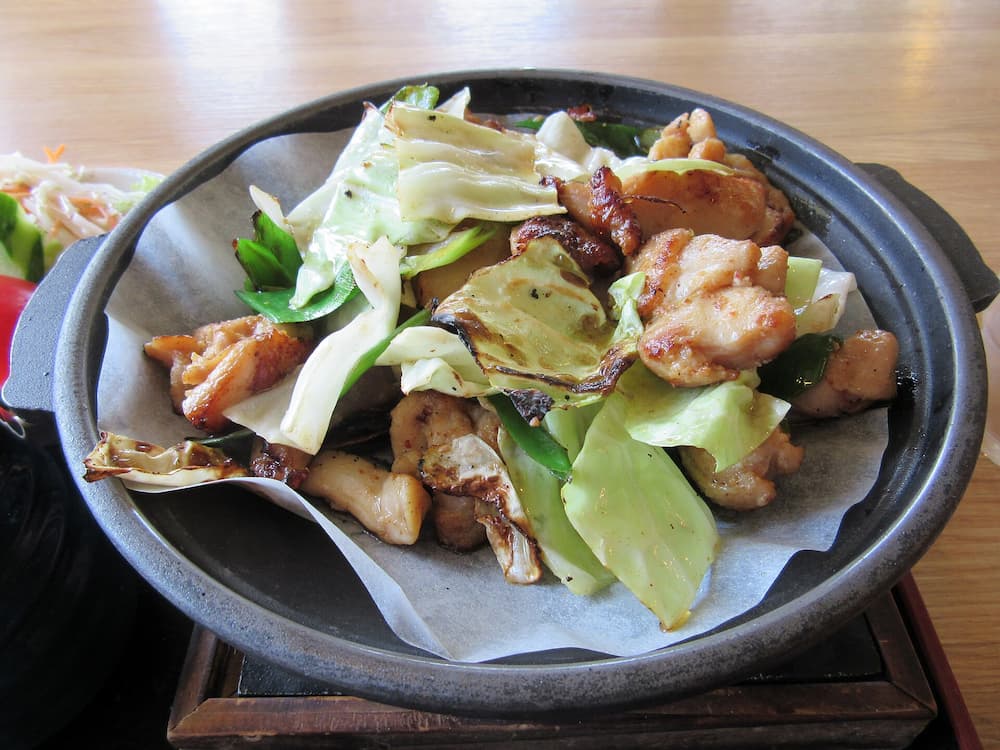
Keichan – Grilled Chicken with Rich Miso Sauce

Keichan is a beloved soul food from the Hida and Oku-Mino regions of northern Gifu. It’s a stir-fried chicken dish made by marinating chicken (usually thigh meat) in a miso or soy-based sauce, then cooking it on a hot iron plate along with cabbage and other vegetables.

What makes Keichan special is how it’s served sizzling hot, straight from the grill. It’s perfect with rice or alongside a drink. This dish is rarely found outside of Gifu, so make sure to seek it out while you’re there.

小太刀~commonswiki https://ja.wikipedia.org/wiki/%E4%BA%94%E5%B9%B3%E9%A4%85#/media/%E3%83%95%E3%82%A1%E3%82%A4%E3%83%AB:CodazziGoheimochi1.jpg (from Wikipedia_

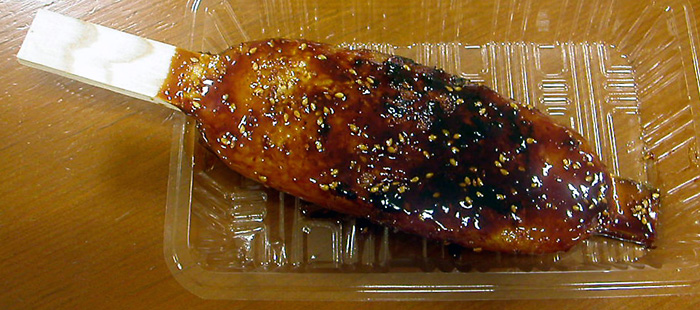
Goheimochi – A Tasty Grilled Rice Snack with Sweet Miso

Goheimochi is a traditional snack from the mountainous areas of Gifu. Despite the name “mochi,” it’s not the typical sticky rice cake. Instead, it’s made by mashing cooked rice, forming it into flat oval shapes, and grilling it with a sweet and savory miso glaze.

It’s often sold at festivals and outdoor events, making it a casual and fun street food. It offers a great way to sample a local specialty without needing to sit down in a restaurant.

Ocdp -, https://commons.wikimedia.org/w/index.php?curid=107955702 (from Wikipedia)

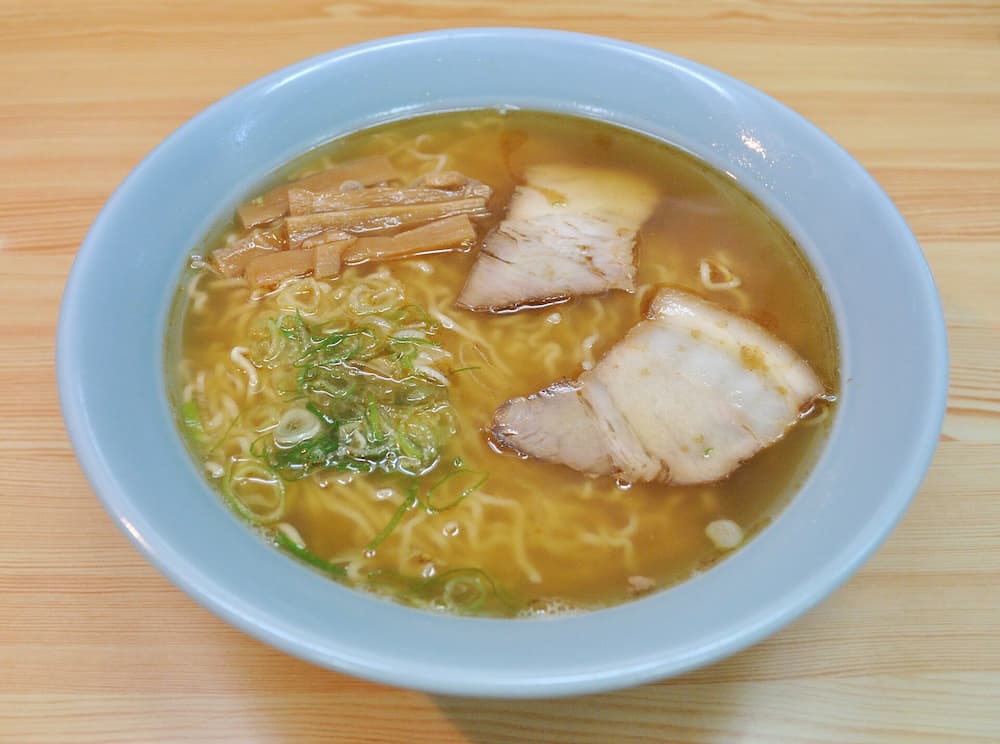
Takayama Ramen – Light, Old-Fashioned Soy Sauce Ramen

Takayama Ramen is a local favorite in the historic town of Takayama. Unlike modern ramen, which can be rich and heavy, this version features a clear chicken-based soy sauce broth and thin curly noodles that absorb the soup beautifully.

With its light and clean flavor, Takayama Ramen is ideal for those who prefer a less greasy bowl—or as a comforting meal after a night out.

Junichi – Photo taken by Junichi https://commons.wikimedia.org/w/index.php?curid=1140087 (from Wikipedia)

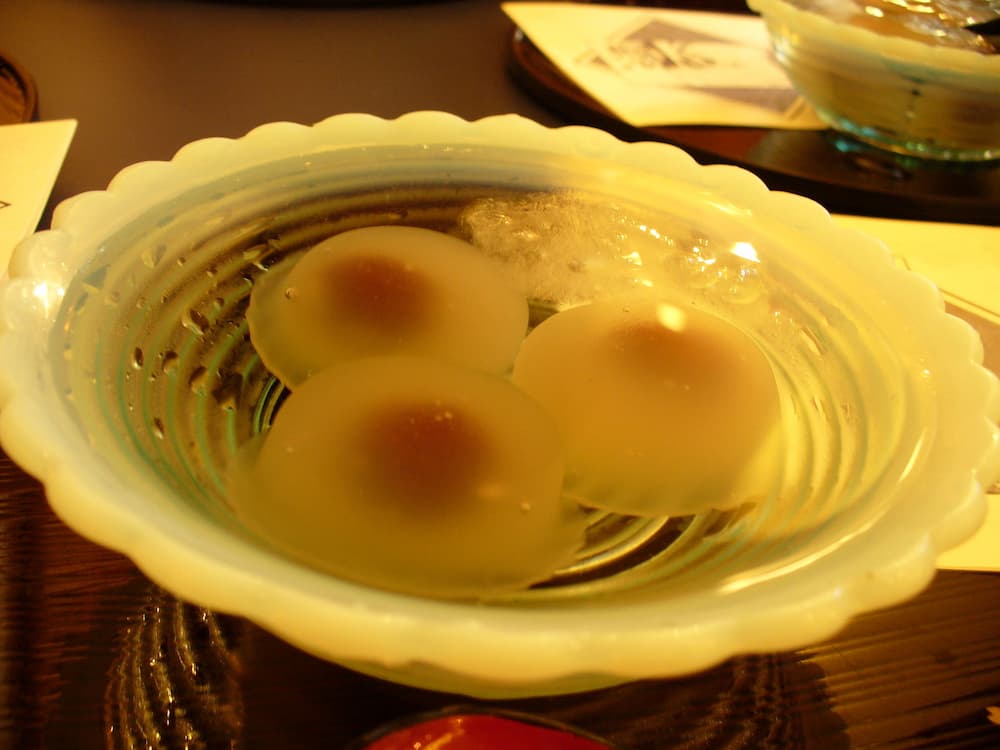
Mizu Manju – A Cool and Elegant Summer Sweet

Mizu Manju is a refreshing Japanese dessert from Ōgaki in western Gifu. Unlike traditional manju made with wheat flour, this summer version uses translucent kuzu or warabi starch to encase sweet red bean paste, giving it a jelly-like texture and a beautiful, glassy appearance.

Especially popular during Japan’s humid summers, Mizu Manju is a cool, light treat that soothes both the body and the eyes.

漱石の猫 , https://commons.wikimedia.org/w/index.php?curid=118467740 from (Wikipedia)

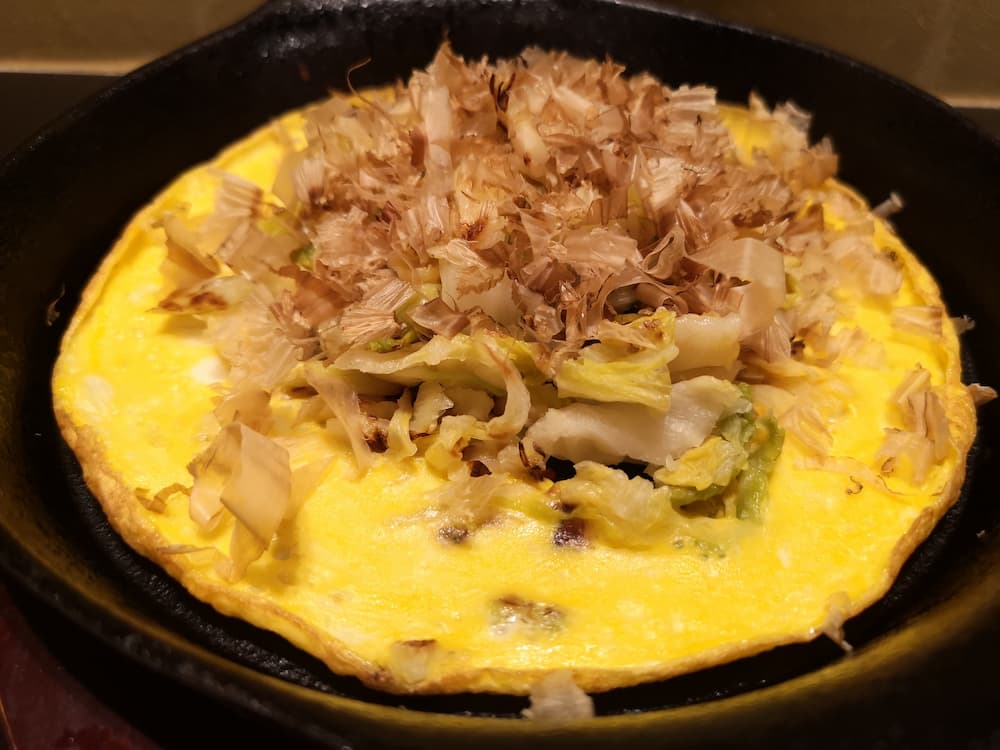
Tsukemono Steak – A Clever Dish Born from Zero-Waste Culture

Despite its name, this “steak” contains no meat. Pickled Vegetable Steak (Tsukemono Steak) is a creative dish from the Hida region that revives over-fermented pickled cabbage by pan-frying it and topping it with a beaten egg.

Originally a humble home-cooked dish, it’s now often served in izakayas (Japanese pubs) and pairs perfectly with alcohol. It’s a tasty example of how traditional Japanese food culture avoids waste and makes the most of every ingredient.

Ocdp – https://commons.wikimedia.org/w/index.php?curid=113006664 (from Wikipedia)

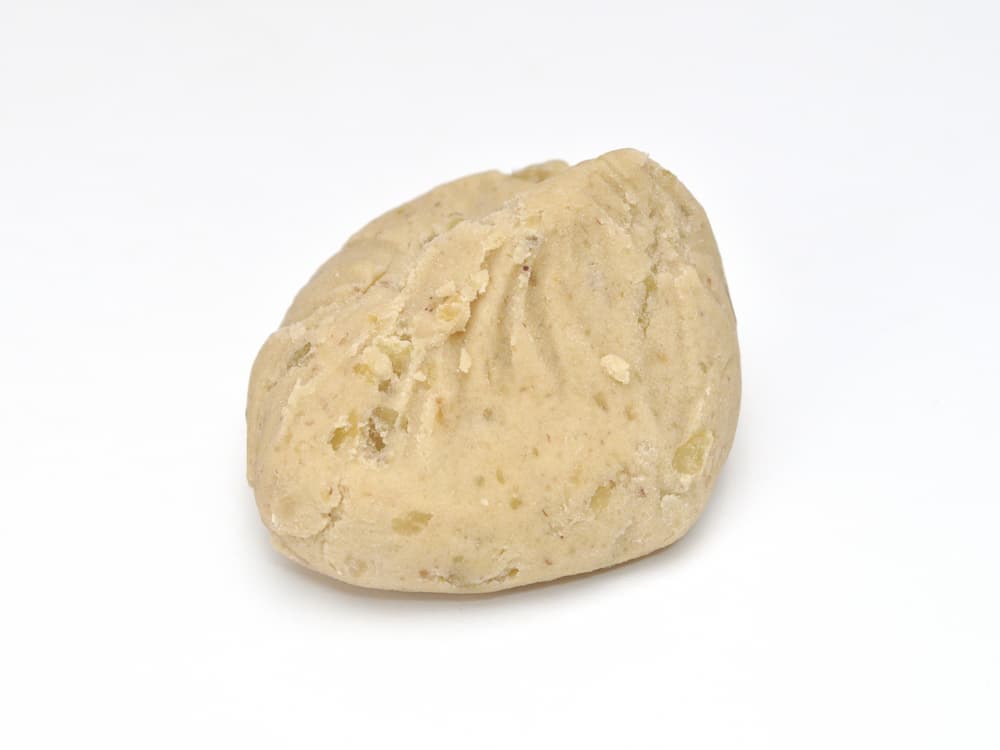
Kuri Kinton – A Pure and Elegant Chestnut Delight

Kuri Kinton is a luxurious sweet made from steamed chestnuts and sugar, shaped into small dumplings. This treat is famous in the towns of Nakatsugawa and Ena in eastern Gifu, especially during autumn when chestnuts are in season.

The charm of Kuri Kinton lies in its simplicity—no additives or preservatives, just the natural taste of chestnuts. Because high-quality versions are only made in the fall, it’s a limited-time delicacy worth trying if you visit during that season.

アレックス https://commons.wikimedia.org/w/index.php?curid=11015452 (from Wikipedia)

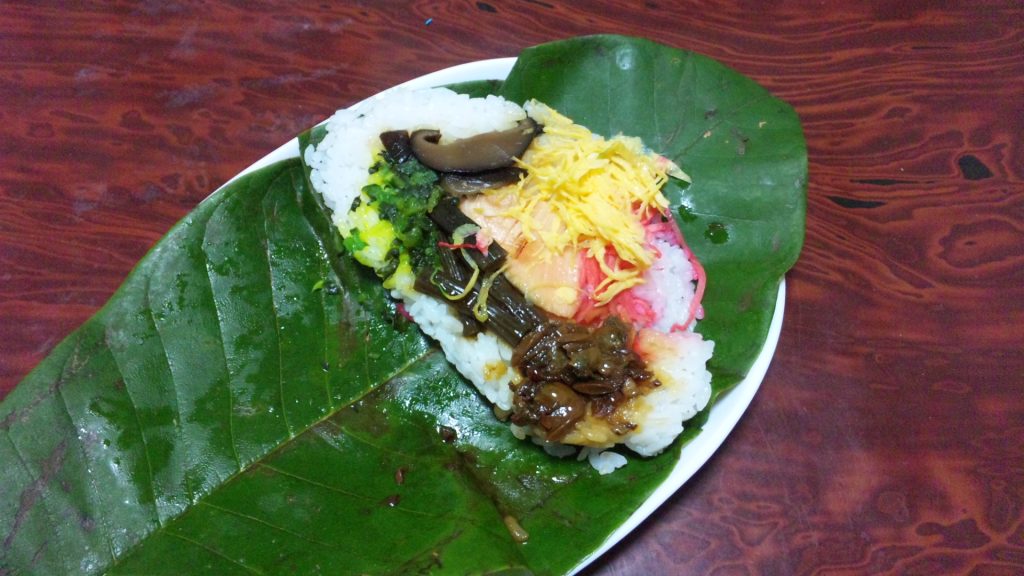
Hoba Sushi – Mountain Flavors Wrapped in Magnolia Leaves
Hoba Sushi is a traditional type of sushi from the Hida and Tōnō regions of Gifu. Unlike the sushi most travelers are familiar with, this dish involves pressing seasoned rice with local toppings such as thin omelet, mountain vegetables (sansai), and trout onto a magnolia leaf, which acts as a natural wrapper and preservative.

The leaf imparts a subtle aroma and helps keep the sushi fresh—an ancient, natural technique unique to this region. Hoba Sushi is a wonderful way to taste Gifu’s rich mountain culture.
Essential Japanese Travel Phrases: Basic Japanese Words and Phrases for Travelers in Japan

When traveling in Japan, one thing you should be aware of is that English is not always widely spoken. In major tourist areas and large chain restaurants, you’ll often find English menus and staff who can communicate in English. However, once you venture into smaller cities or less touristy areas, you might need to rely on Japanese to get by. Forcing English on locals could lead to awkward or uncomfortable situations.


Learning a few basic Japanese phrases can greatly improve your travel experience, helping you connect with locals, get the help you need, and avoid misunderstandings.
In this article, we’ll introduce essential Japanese phrases that will make your trip smoother and more enjoyable!

Essential Japanese Greetings for Travelers

While basic communication can often be done in English, using simple Japanese greetings shows respect and friendliness, which locals really appreciate. It can make a big difference in how smoothly your interactions go.

  • Hello / Good AfternoonKonnichiwa / こんにちは
    A commonly used greeting during the day. In the morning, use “おはようございます (Ohayou gozaimasu)” for “Good Morning,” and in the evening, say “こんばんは (Konbanwa)” for “Good Evening.”

  • Thank youArigatou /ありがとう
    Although “Thank you” is generally understood, saying “ありがとう (arigatou)” in Japanese feels much more heartfelt and leaves a good impression. If you want to sound even more polite and respectful, you can say “ありがとうございます (arigatou gozaimasu),” which expresses even greater appreciation.

  • Excuse Me / I’m SorrySumimasen / すみません
    An essential phrase for getting someone’s attention or apologizing if you accidentally bump into someone. It’s very helpful for smoothing over minor issues.

  • Yes / No Hai / Iie はい / いいえ
    Saying “はい (hai)” for yes and “いいえ (iie)” for no in Japanese will help you communicate more clearly than relying on English.

  • Goodbye Sayounara / さようなら
    While “Goodbye” is understood, ending a conversation with “さようなら” in Japanese will leave a warm impression.

Asking for Help

Japan has made great strides in providing English signage and multilingual support, especially in major cities. However, there may still be times when you need to ask for help.

  • Where is XXXX? XXXX wa doko desu ka? / XXXXはどこですか?
    Use this when you’re looking for a specific place.

Example 1: “Where is Kyoto Station?”

Kyouto-eki wa doko desu ka? (京都駅はどこですか?)

Example2: “Where is Kiyomizu-Dera?”

Kiyomizu-Deara wa doko desu ka? (清水寺はどこですか?)

  • Can you speak English?Eigo o hanasemasu ka? / 英語を話せますか?
    Before launching into English, it’s polite to ask if the person understands English first.

Transportation Phrases

Public transportation in Japan is convenient and efficient. English announcements are common on trains, but it’s still useful to know a few key phrases to make sure you’re headed in the right direction.

  • Does this train go to XXXX? Kono densha wa XXXX ni ikimasu ka? / この電車はXXXXに行きますか?

Example 1: “Does this train go to Tokyo?”

Kono densha wa Tokyo ni ikimasu ka? (この電車は東京に行きますか?)

Example 2 : “Does this train go to Kyoto?”

Kono densha wa Kyoto ni ikimasu ka? (この電車は京都に行きますか?)

  • Does this bus go to XXXX?Kono basu wa XXXX ni ikimasu ka? / このバスは○○に行きますか?

Example 1 : “Does this bus go to Kyoto?”

Kono basu wa Kyoto ni ikimasu ka? / このバスは京都に行きますか?

Example 2 : “Does this bus go to the station?”

Kono basu wa Eki ni ikimasu ka? / このバスは駅に行きますか?”

Useful Japanese Words

(Romaji is the Romanized spelling of Japanese words using the Latin alphabet.)

English RomajiJapanese
Stationeki
Busbasuバス
Subwaychikatetsu地下鉄
Ticketkippu切符
Exitdeguchi出口
Entranceiriguchi入口
Taxitakushiiタクシー
Mapchizu地図
Airportkuukou空港
Railway / Traintetsudou鉄道

Dining Out Phrases

Restaurants in Japan generally fall into two categories: those where you order through tablets or vending machines and those where you order directly from staff. Here’s what you might need to say:

  • Can I have a menu, please?Menyuu o kudasai /メニューをください
    Useful when you need an English menu or simply want to start ordering.
  • I’ll have this, pleaseKore o kudasai / これをください
    Point to the item on the menu and say this to order smoothly.
  • What do you recommend?Osusume wa nan desu ka? / おすすめは何ですか?
    Great for discovering local favorites when you’re unsure what to eat.
  • Check, please.Okaikei onegaishimasu / お会計お願いします
    When you’re ready to pay, say this to request the bill.

Note: In Japan, it’s common to bring the bill to the cashier rather than paying at the table.

Useful Japanese Words

(Romaji is the Romanized spelling of Japanese words using the Latin alphabet.)

English RomajiJapanese
Menumenyuuメニュー
Recommendationosusumeおすすめ
Bill / Checkokaikeiお会計
No Smokingkinen禁煙
Restroomtoireトイレ
Veganbiiganビーガン
Vegetarianbejitarianベジタリアン
Meatniku
Fishsakana
Vegetablesyasai野菜
Saladsaradaサラダ
Watermizu

nagoya

Shopping Phrases

Shopping in Japan can be a real highlight, especially for unique products you can’t find elsewhere. These phrases will help you enjoy it even more:

  • Can I try this on?Kore o shichaku shite mo ii desu ka? /これを試着してもいいですか?
    Ask this when you want to try on clothes.
  • How much is this?これはいくらですか? (Kore wa ikura desu ka?)
    Perfect for checking prices when they’re not clearly marked.

  • Can I use a credit card?クレジットカードは使えますか? (Kurejitto kaado wa tsukaemasu ka?)

Many places accept credit cards, but it’s good to confirm before you pay.

Useful Japanese Words

(Romaji is the Romanized spelling of Japanese words using the Latin alphabet.)

English RomajiJapanese
Credit cardkurejitto kaadoクレジットカード
Cashgenkin現金
Bag (non-fashion item)fukuro
Change (money)otsuriおつり
Trying on clothesshichaku試着

Emergency Phrases

Hopefully you won’t need these, but it’s better to be prepared.

  • Help me! – Tasukete kudasai! / 助けてください!
    Use this in urgent situations when you need immediate assistance.
  • Where is the hospital? – Byouin wa doko desu ka? / 病院はどこですか?
    Essential if you’re feeling ill or injured.
  • Please call the police.Keisatsu o yonde kudasai / 警察を呼んでください
    If you’re involved in an incident or theft, use this phrase to ask for police assistance.

Useful Japanese Words

(Romaji is the Romanized spelling of Japanese words using the Latin alphabet.)

English RomajiJapanese
Hospitalbyouin病院
Doctorisha医者
Ambulancekyuukyuusha救急車
Policekeisatsu警察
Police officerkeisatsukan警察官
Patrol carpatokaaパトカー

Final Tips

Even just a few words in Japanese can make a big difference in your experience. Locals will appreciate your effort, and your trip will be smoother and more memorable.
So before you go, practice these phrases — and get ready to enjoy the best of Japan!

What Vegetarians Should Know Before Traveling to Japan

If you’re a vegetarian planning a trip to Japan, food might be one of your biggest concerns. While Japanese cuisine (Washoku) is known for being delicious and beautifully presented, it isn’t always easy for vegetarians to navigate. Unlike in many Western countries, vegetarianism isn’t yet mainstream in Japan, and the line between “vegetarian” and “non-vegetarian” can be quite blurred.

That’s because Japanese food culture often uses animal-based ingredients in subtle ways—especially in broths, sauces, and seasonings. But don’t worry! With a little preparation, you can still enjoy your culinary journey in Japan. This guide covers the essential things vegetarians should consider when dining in Japan.

1. Dashi – The Heart of Japanese Flavor

One of the most important things to know is the role of Dashi (出汁), a soup stock that forms the base of many Japanese dishes. While dashi can be made from kombu (kelp) or shiitake mushrooms, the most commonly used version comes from Katsuobushi (鰹節)—dried, fermented bonito (a type of fish).

You’ll find dashi in miso soup, noodle broths (like udon and soba), simmered vegetables, and even in tamagoyaki (Japanese rolled omelet). Even something as simple as Ohitashi—blanched spinach with a savory dressing—often contains dashi made from fish.

So, even if a dish looks vegetarian, it may include animal-derived broth. Some restaurants do offer plant-based dashi made from kombu or shiitake—these are your best bet as a vegetarian in Japan. Look for restaurants that specifically mention vegetarian dashi or cater to plant-based diets.

2. Watch Out for Katsuobushi (鰹節)

Katsuobushi, those thin, smoky fish flakes, are another hidden ingredient to be aware of. They’re not only used in dashi but are also sprinkled on top of many dishes.

For example, Japan’s famous street foods like Okonomiyaki and takoyaki almost always come topped with Katsuobushi. Even if you skip meat or seafood in the ingredients, the bonito flakes on top make the dish non-vegetarian. Similarly, Furikake (seasoning sprinkled over rice) and side dishes like Ohitashi often include Katsuobushi.

3. White Sugar in Wagashi – Sweet, but Not Always Plant-Based

Traditional Japanese sweets, or wagashi (和菓子), might look like a safe choice for vegetarians. They often contain red bean paste (Anko) made from sweetened azuki beans and are served with mochi, in dorayaki, or as toppings on shaved ice.

However, many of these sweets use white sugar, which in some cases is processed using bone char. While not all vegetarians are concerned about this, those who are should be cautious. If you prefer to avoid white sugar processed with animal products, look for specialty vegan wagashi, which are starting to become more available in Japan’s larger cities.

4. Pescatarian? Japan Might Be Easier for You

If you eat fish but avoid meat—what’s known as pescatarian—you’ll find it much easier to enjoy Japanese cuisine. Fish plays a major role in traditional Washoku, while red meat is used less often.

That said, keep an eye out for hidden animal ingredients like:

  • Gelatin, found in many Western-style desserts and candies.
  • Lard (pork fat), sometimes used for deep-frying or croquettes—even vegetable ones.

5. Discover Shojin Ryori – Traditional Buddhist Cuisine

For vegetarians and vegans alike, Shojin ryori (精進料理) is a must-try. Rooted in Buddhist principles that avoid killing living beings, this cuisine contains no animal products and also avoids strong-smelling vegetables like garlic, onions, and leeks (known as the “five pungent roots” or 五葷).

Shojin ryori is not only entirely plant-based, but also deeply connected to Japanese spiritual and cultural traditions. Unfortunately, it’s not widely available in regular restaurants—you’ll typically find it at temples or specialized eateries. But if you do get a chance to try it, it’s a uniquely Japanese vegetarian experience that’s well worth seeking out.

6. Vegetarian-Friendly Chain Restaurants

While Japan isn’t as vegetarian-friendly as Europe or the U.S., some nationwide chain restaurants are starting to offer plant-based menu items. These chains often have locations in train stations, malls, and tourist areas—making them convenient when you’re exploring.

Some examples include:

  • MOS Burger (モスバーガー)/ Green Burger Teriyaki (グリーンバーガーテリヤキ)
  • Royal Host (ロイヤルホスト) / Vegetable Curry & Multigrain Rice (ベジタブルカレー&雑穀ごはん)
  • Curry House CoCo Ichibanya (カレーハウスcoco壱番屋) / CoCo Ichi Veggie Curry (ココイチベジカレー)
  • Doutor Coffee (ドトールコーヒー) /Soy Meat & Tomato Stew Sandwic (全粒粉サンド 大豆のミート -豆と野菜のトマト煮込み)
  • Soup Stock Tokyo (スープストックトーキョー) / Vegetarian Soups (ベジタリアン対応メニュー)

7. Use These Tools to Find Veg-Friendly Spots

In major cities like Tokyo and Kyoto, the number of vegetarian and vegan restaurants is growing. Here are two great websites to help you find them:

  • Is It Vegan Japan? – Explains ingredients and labels in Japan
  • HappyCow – Global restaurant finder with strong Japan coverage

These tools can help you discover delicious plant-based options—even if you don’t speak Japanese.

Final Thoughts: Being Vegetarian in Japan Is Totally Possible

At first glance, Japan might seem like a tough place for vegetarians. But with a little knowledge and awareness—especially about ingredients like Dashi and Katsuobushi —you can enjoy the rich world of Japanese cuisine without compromising your values.

And don’t forget to explore uniquely Japanese vegetarian experiences like Shojin ryori. With a little preparation, your food journey in Japan can be just as amazing as the temples, mountains, and cherry blossoms.