Takayama Festival: A Must-See Traditional Celebration in Japan’s Tokai Region

When planning a trip to Japan, spring and autumn are arguably the most beautiful times to visit. Cherry blossoms in spring and colorful autumn leaves create magical landscapes across the country. During these seasons, countless festivals take place in towns and cities nationwide. If you happen to travel through the Tokai region during these months, there’s one festival you shouldn’t miss: the Takayama Festival, held in the historic town of Takayama, Gifu Prefecture.

This article will guide you through the charm and cultural richness of this iconic festival, and why it deserves a spot on your Japan itinerary.

Discovering Takayama – The “Little Kyoto” of the Mountains

Located in northern Gifu Prefecture, Takayama is a scenic town known for its well-preserved Edo-period architecture and traditional atmosphere. It’s often called “Little Kyoto” for its historical charm and narrow streets lined with wooden buildings.

Although Takayama is about 150 kilometers north of Nagoya, it’s quite accessible—around 2.5 hours by train or highway bus. Thanks to its strategic location, you can also easily combine it with visits to other destinations like:

  • Shirakawa-go, a picturesque village and UNESCO World Heritage Site
  • Gero Onsen, a famous hot spring town
  • Kanazawa, a cultural hub located northwest of Takayama

What makes Takayama even more special is its resistance to modernization. While many Japanese cities lost their historical architecture during World War II and postwar development, Takayama was spared from air raids and has preserved its old townscape. This dedication to cultural preservation gives visitors a rare glimpse into Japan’s past.
What Is the Takayama Festival?

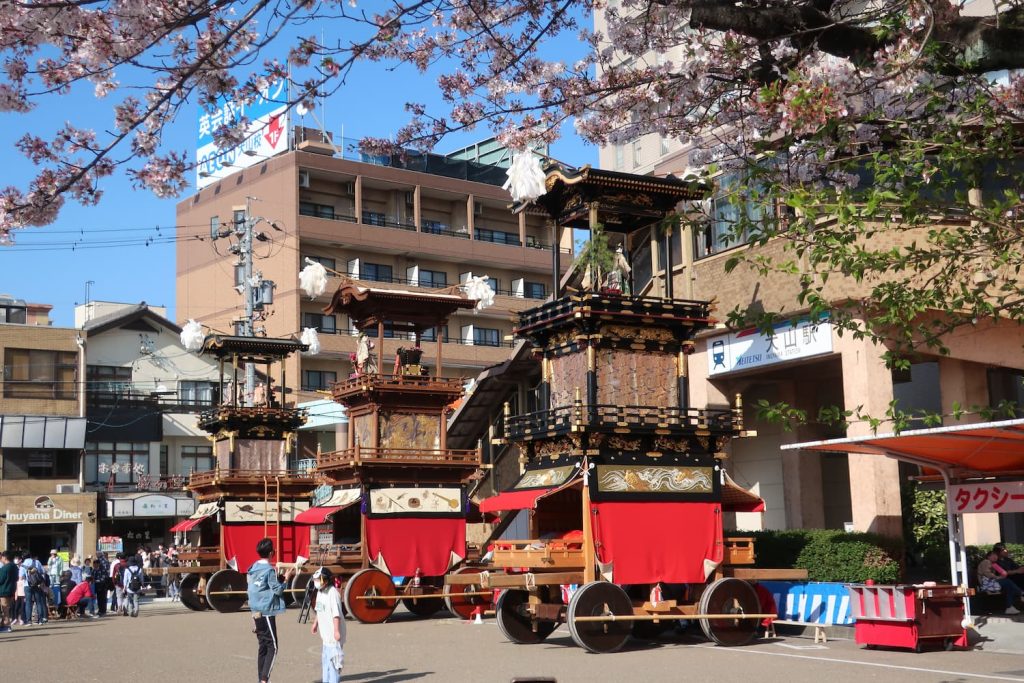
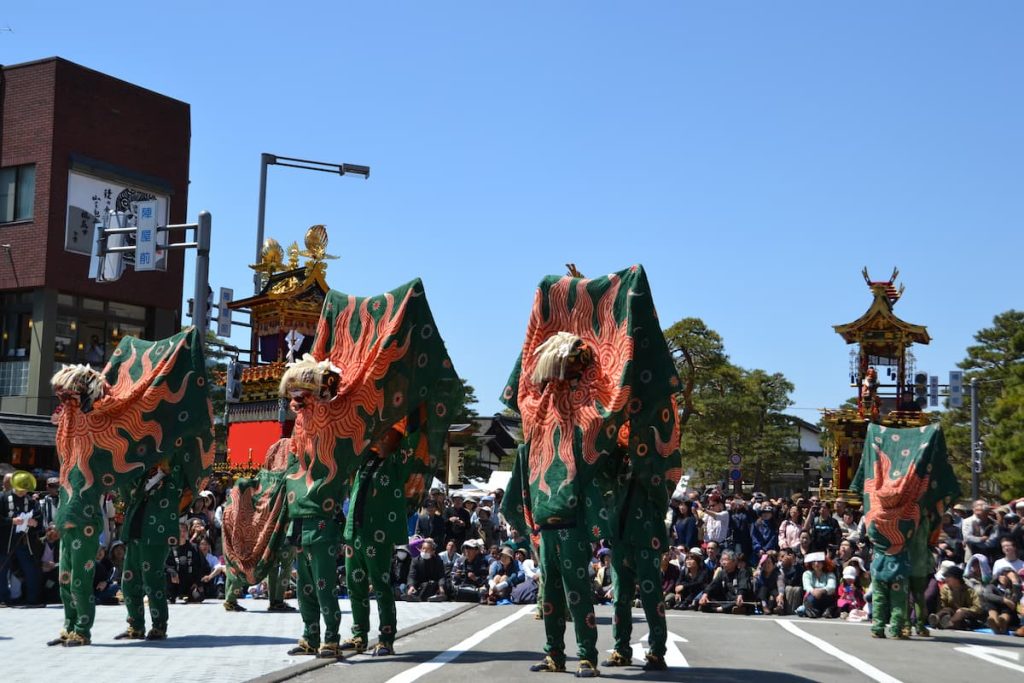
The Takayama Festival (高山祭) is one of the most celebrated and visually stunning traditional festivals in Japan. It dates back to the 17th century, with much of its current form established in the 18th century. The festival is famous for its elaborately decorated floats (yatai) and performances of karakuri mechanical puppets.

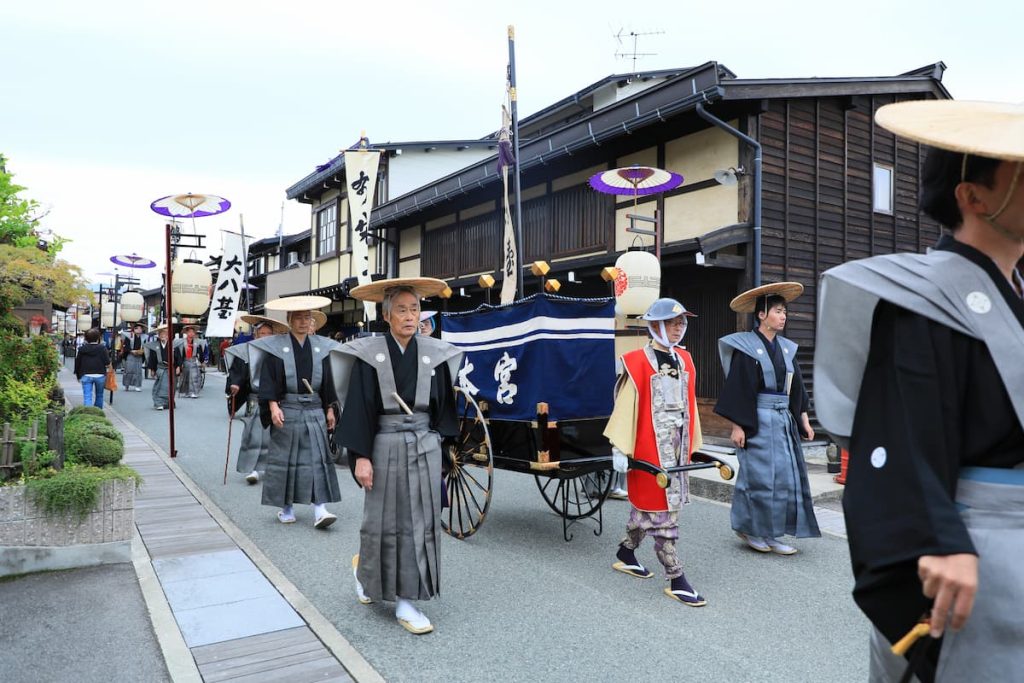
These ornate floats, adorned with lacquer, gold leaf, and intricate carvings, parade through the town accompanied by traditional Japanese music. Some floats even feature puppets that move and dance using hidden mechanisms—a true testament to Japan’s craftsmanship. Because of its historical and cultural value, the festival has been recognized as a UNESCO Intangible Cultural Heritage.

The festival is held twice a year, in spring and autumn, with each version offering a unique experience.
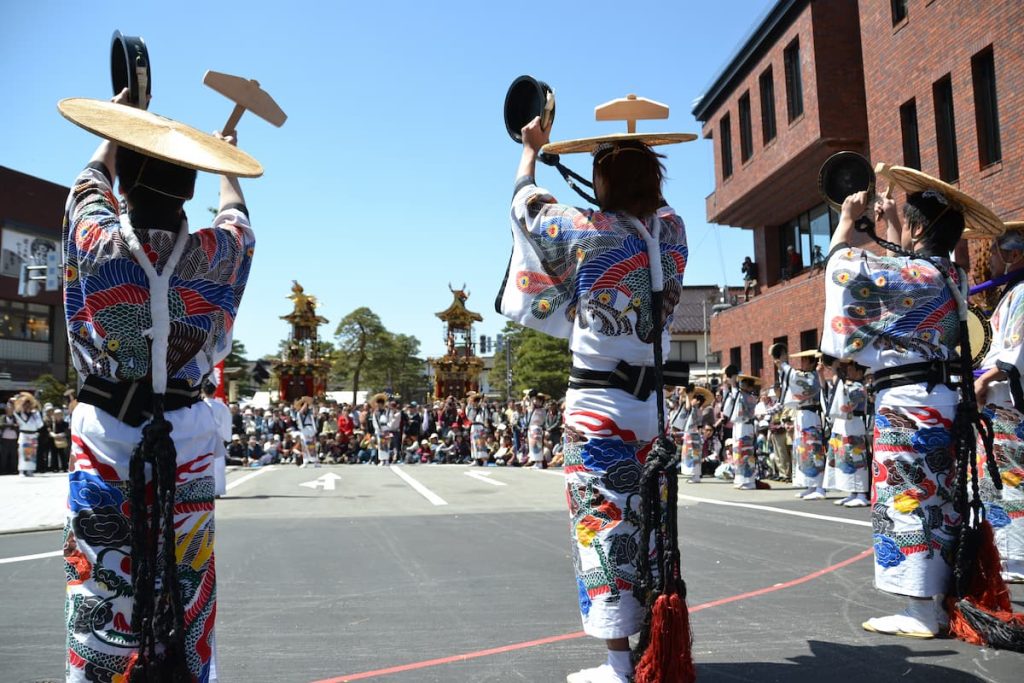
Spring and Autumn Festivals – What’s the Difference?

Both the spring and autumn Takayama Festivals showcase floats and puppet performances, but they take place in different areas of the town and feature slightly different attractions.

Spring Takayama Festival (Sanno Matsuri)

  • Dates: April 14–15 annually
  • Location: Southern Takayama (Kamimachi area)
  • Number of Floats: 12 (3 with karakuri puppets)

Autumn Takayama Festival (Hachiman Matsuri)

  • Dates: October 9–10 annually
  • Location: Northern Takayama (Shimomachi area)
  • Number of Floats: 11 (1 with a karakuri puppet)

Despite these differences, both festivals bring the town to life with vibrant energy and traditional pageantry.
Highlights of the Takayama Festival

One of the most striking scenes during the festival is watching the yatai floats slowly moving through Takayama’s historic streets. Accompanied by music from drums and flutes (called ohayashi), the floats create a vivid display of traditional Japanese festivity.

The karakuri puppets are also a major attraction. These mechanical dolls, built with traditional technology, perform dances and movements on the floats. Watching them in action is like stepping into a living museum of Japanese artistry.

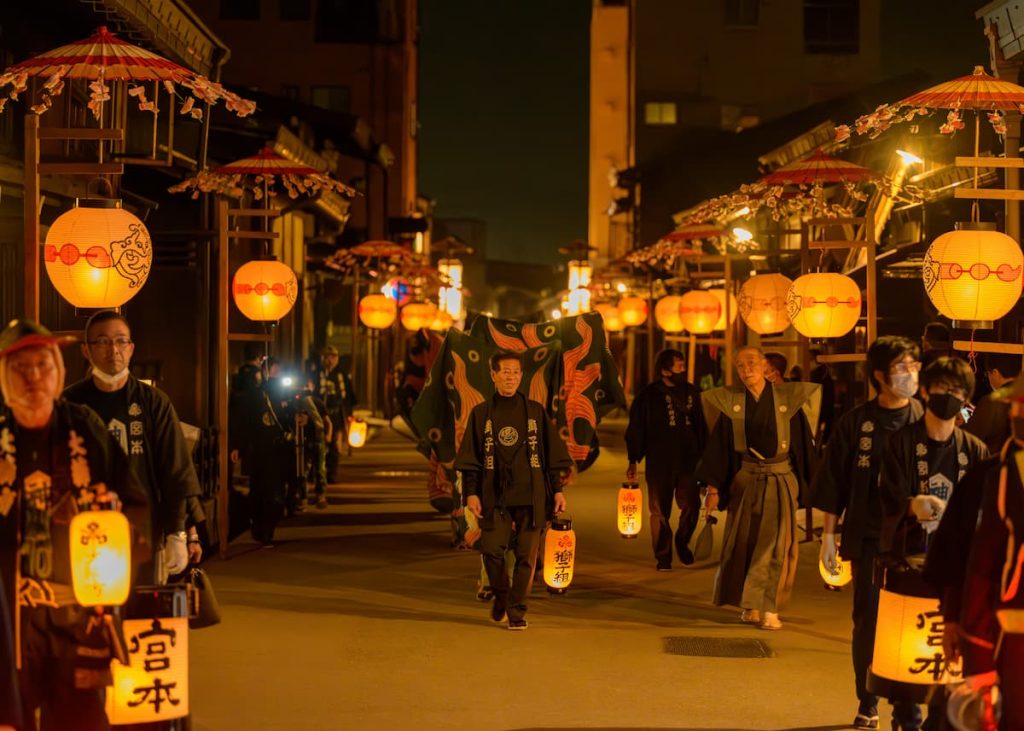
Another unforgettable moment is the nighttime illumination. On the festival’s first night, the floats are adorned with hundreds of paper lanterns, glowing softly as they roll through the streets. It’s an ethereal and romantic sight, perfect for photographers and anyone enchanted by traditional Japanese aesthetics.

Explore Takayama Alongside the Festival

While you’re in town for the festival, be sure to explore the many other attractions Takayama has to offer:

The Old Streets of Sanmachi Suji

A beautifully preserved district with merchant houses from the Edo to Meiji periods. This area is full of local shops, restaurants, and sake breweries—perfect for an afternoon of strolling, shopping, and sampling local flavors.

Miyagawa Morning Market

Held daily along the Miyagawa River, this market offers local produce, handmade crafts, and street food. It’s an ideal place to pick up souvenirs or enjoy light bites while exploring the riverside area.

Takayama Jinya

This unique historical building is the only remaining Edo-period government office in Japan. Once used by local officials to govern the region, it now serves as a museum offering insights into feudal administration. It’s also located near the morning market, so you can visit both conveniently.
Important Tips for Visiting During the Festival

Due to the festival’s popularity, accommodations in Takayama book up quickly—often more than six months in advance. If you want to stay in the city center, make reservations as early as possible. If not, nearby towns like Gero Onsen offer great alternatives and a chance to relax in a hot spring bath after a day of festivities.

Also, trains and buses become extremely crowded during the festival. If you plan to take the JR train to Takayama, be sure to reserve your seat as soon as ticket sales open—one month in advance.

Final Thoughts: Why the Takayama Festival Is Worth the Journey

Throughout the year, Japan is home to many wonderful festivals. But the Takayama Festival stands out for its beauty, historical significance, and unforgettable atmosphere. If you’re planning a trip to Nagoya or central Japan, it’s well worth extending your itinerary to include Takayama.

From the intricate floats to the preserved townscape, this festival offers a rare chance to experience traditional Japan in a way few other places can. It’s not just a festival—it’s a living piece of Japanese history, culture, and artistry.

Takayama Festival / 高山祭

Date: April 14–15 annually, October 9–10 annually

Website : Hida Takayama Tourist Information
Nagoya Food Guide: 7 Local Dishes You Can Only Find in This Region of Japan

When traveling in Japan, many visitors are eager to try authentic local foods—especially dishes unique to specific regions. Across Japan, each area boasts its own specialties, and some can only be enjoyed in their hometowns.

Nagoya is a perfect example. Known for its bold and distinctive flavors, the city has developed a culinary style known as “Nagoya Meshi (Nagoya cuisine).” Many of these dishes can’t be found elsewhere, making Nagoya a top destination for food lovers.

In this article, we’ll highlight some of the most popular and unique dishes from Nagoya and nearby areas. Be sure to try them when you visit!

From Wikipedia / Evelyn-rose 

Miso Katsu – Tonkatsu with Rich Miso Sauce

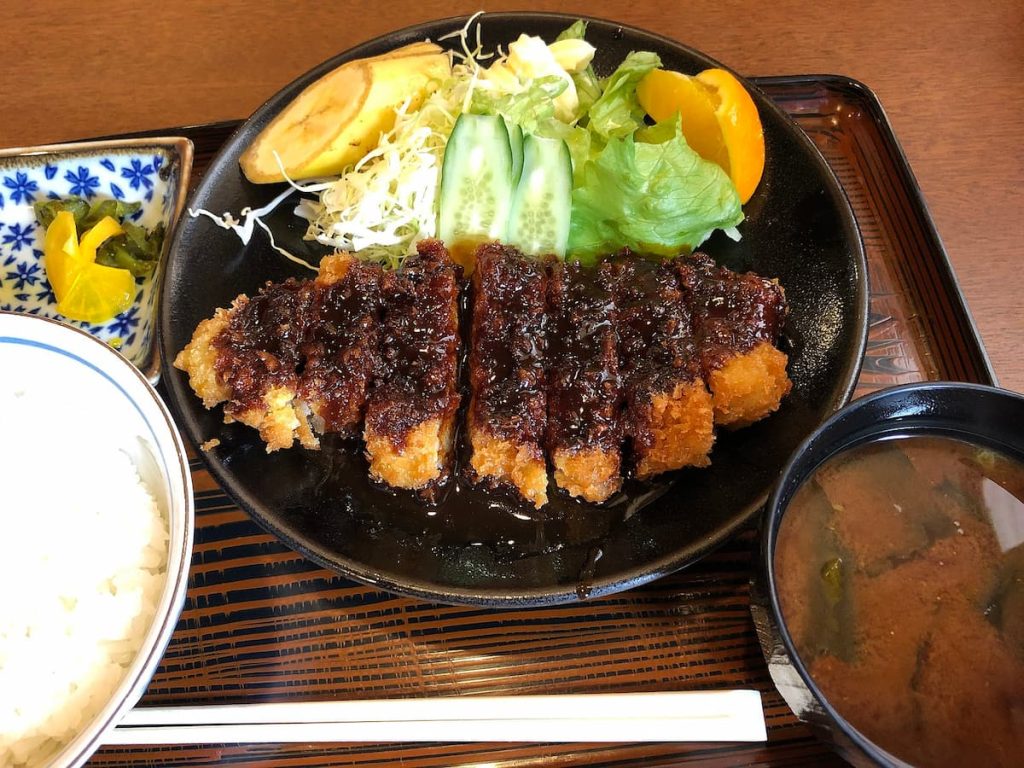
Nagoya’s cuisine is deeply connected to miso, and one of its most iconic dishes is Miso Katsu(味噌カツ)—a crispy pork cutlet topped with a thick, savory miso-based sauce. The sauce uses Hatcho miso, a local variety known for its deep, bold flavor.

Tonkatsu is familiar in other countries—similar to German schnitzel or French côtelette—so it’s easy to enjoy, even for those new to Japanese food. But the rich miso sauce adds a uniquely Japanese twist, blending East and West in one bite.

This miso-covered style of tonkatsu is exclusive to Nagoya, making it a must-try when visiting the city.

For the most famous Miso Katsu, head to Yabaton, a popular local chain with several locations around Nagoya, including near the main station.

Yabaton / 矢場とん

Location: 3-6-18 Osu, Naka Ward, Nagoya, Aichi 460-0011

Website: Yabaton

From Wikipedia / Ocdp 

Taiwan Ramen – Spicy Noodles Born in Nagoya

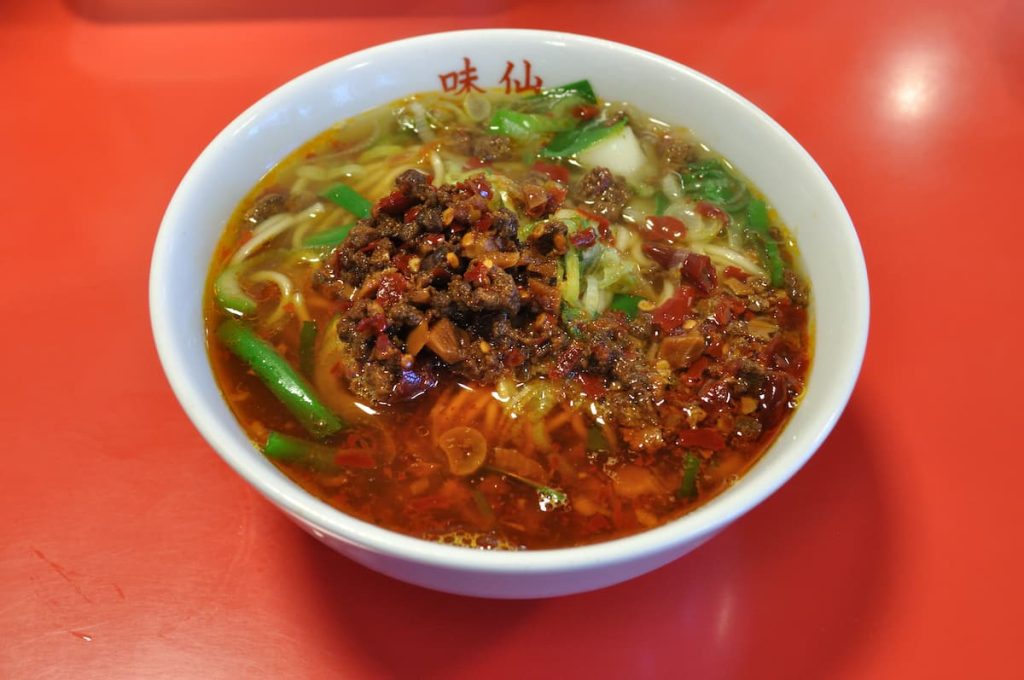
Despite its name, Taiwan Ramen (台湾ラーメン) actually originated in Nagoya. The dish was created by a Taiwanese-born chef who adapted spicy flavors from Taiwan into a ramen dish for a local Nagoya restaurant.

The ramen is topped with spicy minced meat and chili peppers, giving it a fiery kick that spice lovers can’t get enough of. While it’s definitely hot, the bold flavor becomes addictive, making it a popular late-night dish.

If you’re a ramen fan or enjoy spicy food, don’t miss trying the original Taiwan Ramen in Nagoya. The best place to try it is Misen, the restaurant that first served this dish. The Imaike location is the flagship store, but there are other branches around the city.

Misen / 味仙

Location: 1-12-10 Imaike, Chikusa Ward, Nagoya, Aichi 464-0850

Website: Misen

From Wikipedia / m-louis

Tenmusu – Shrimp Tempura Rice Balls

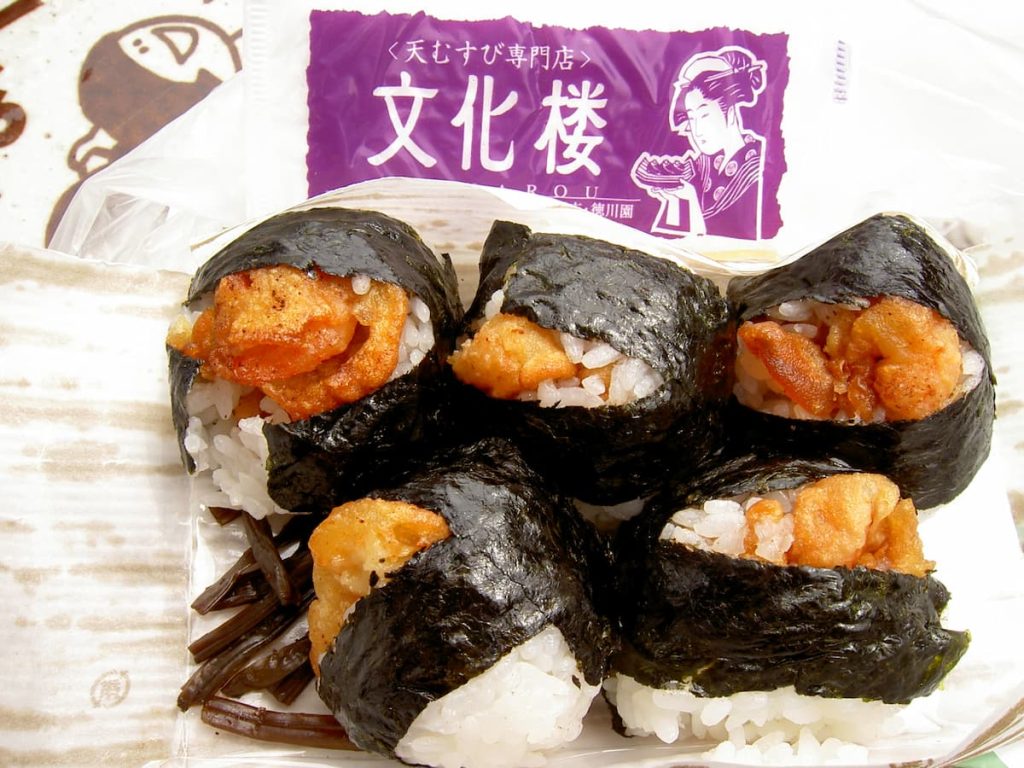
Onigiri (rice balls) are a staple of Japanese comfort food, and Tenmusu (天むす)is a regional variation from nearby Mie Prefecture, now popular in Nagoya. This tasty snack combines a small shrimp tempura wrapped inside a rice ball, with the seaweed already applied—giving it a soft, slightly moist texture.

Though small, the crispy tempura coating and the springy shrimp inside make it surprisingly satisfying. It’s easy to carry, affordable, and perfect for eating on the go.

A popular spot to buy Tenmusu is Jiraiya, located in and around Nagoya Station. It’s also a great alternative to a standard bento for train travel.

Jiraiya / 地雷也

Location: B1F, JR Nagoya Takashimaya, 1-1-4 Meieki Chikagai, Nakamura Ward, Nagoya, Aichi 450-6001

Website: Jiraiya

From Wikipedia / Kos88

Kishimen – Flat and Silky Noodles

Japan is known for its variety of noodle dishes—from ramen to udon and soba. In Nagoya, one local favorite is Kishimen (きしめん), a type of wide, flat udon noodle.

Kishimen is usually served in a soy sauce-based broth with a flavorful dashi. The noodles are thinner and wider than regular udon, offering a smoother, lighter texture that’s easier on the stomach compared to rich ramen.

One convenient and popular spot to try Kishimen is Sumiyoshi, located right on the Shinkansen platform at Nagoya Station. It’s an affordable, quick meal with plenty of local charm.

Sumiyoshi / 住よし

Location: 1-1-4 Meieki, Nakamura Ward, Nagoya, Aichi 450-0002, (Inside JR Nagoya Station)

Website: Sumiyoshi

From Wikipedia / Kanesue – https://www.flickr.com/photos/kanesue/50523599021/

Hitsumabushi – Grilled Eel, Three Ways

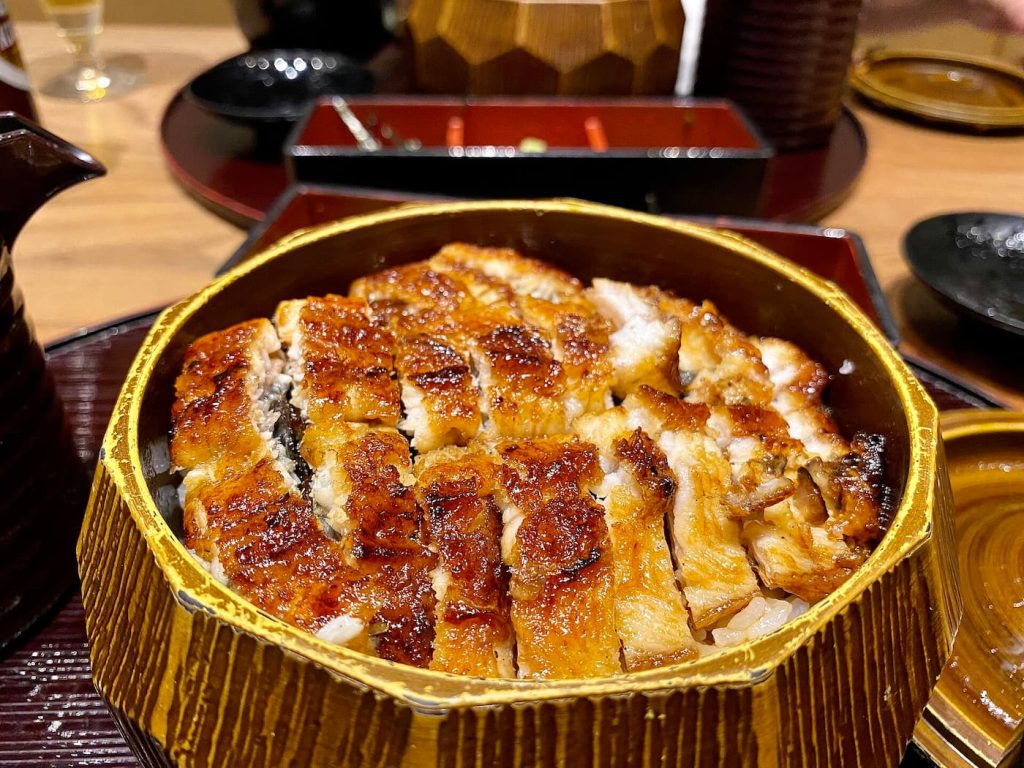
For a special meal, Hitsumabushi (櫃まぶし) is a must-try eel dish from Nagoya. The eel is grilled with a sweet and savory sauce, then chopped into bite-sized pieces and served over rice.

What makes Hitsumabushi special is the way you eat it. First, you enjoy it as-is. Next, you add condiments like wasabi or green onions. Finally, pour hot dashi (broth) over the rice for a comforting finish. One dish, three flavors.

Atsuta Houraiken is the most famous Hitsumabushi restaurant, though it can get crowded. Fortunately, there are many great places across Nagoya to enjoy this dish.

Atsuta Houraiken / あつた蓬莱軒

Location: 503 Kobe-cho, Atsuta Ward, Nagoya, Aichi 456-0043

Website: Atsuta Houraiken

From Wikipedia / Lombroso 

Miso Dengaku – Tofu with Sweet Miso Glaze

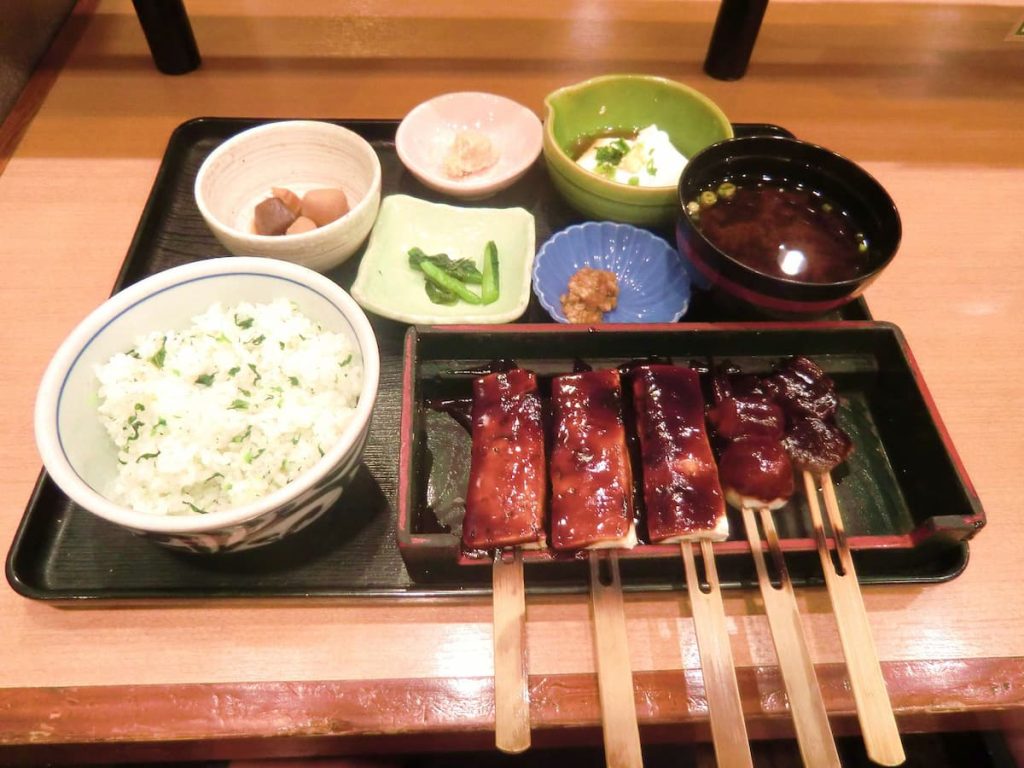
Miso Dengaku (味噌田楽) is a simple but flavorful dish of tofu skewers grilled with sweet miso paste. While it’s found across Japan, in the Tokai region—including Nagoya—it’s often served with “na-meshi (菜飯)” (rice mixed with leafy greens and a salty seasoning), making it a local specialty.

The tofu itself is mild, but the miso sauce adds a rich, savory-sweet flavor. Paired with the lightly salted rice, it becomes a healthy yet deeply satisfying meal.

A well-known spot for miso dengaku is Suzunoya, known for its traditional taste. But you can also find similar dishes at many casual eateries around the city.

Suzunoya / 鈴の屋

Location: 1-11-1 Higashisakura, Higashi Ward, Nagoya, Aichi 461-0005 (Oasis 21 Underground, Sakae Park)

From Wikipedia / 小太刀

Ogura Toast – A Sweet Morning Tradition

One of Nagoya’s most charming food traditions is its kissaten (Japanese café) culture. Locals love visiting cafés in the morning for toast, coffee, and often something sweet. One standout menu item is Ogura Toast (小倉トースト)—a thick slice of toast topped with sweet red bean paste and butter or margarine.

It might sound unusual at first, but the combination of creamy and sweet is unexpectedly delicious. It’s like a Japanese take on jam and toast.

The best place to try Ogura Toast is Komeda’s Coffee, a popular café chain based in Nagoya. You’ll find branches all over the city, making it easy to enjoy this local breakfast.

Komeda’s Coffee / コメダ珈琲

Website: Komeda’s Coffee

Japan Cherry Blossoms: When and Where to See Sakura in Nagoya

Experience Japan’s Beautiful Cherry Blossoms Near Nagoya

Many travelers to Japan plan their trips around the cherry blossom season, hoping to witness the breathtaking beauty of sakura in full bloom. If you’re visiting central Japan, you might be wondering where and when to see cherry blossoms near Nagoya and how to enjoy the experience to the fullest.

This article will introduce the best cherry blossom viewing spots around Nagoya, typical bloom timings based on past years, forecasts for 2025, and the best ways to enjoy hanami (flower viewing). If you’re planning a trip to Nagoya in the spring, be sure to use this guide to make the most of the cherry blossom season!

When to See Cherry Blossoms in Nagoya, Japan

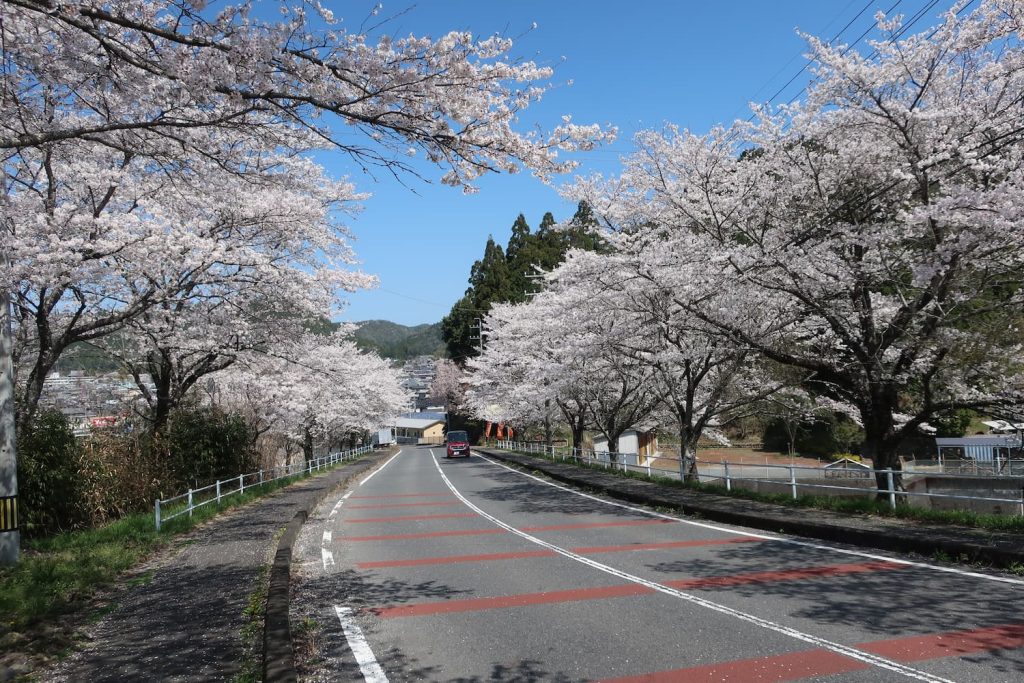
  • Cherry blossoms in Nagoya usually bloom from late March to early April.
  • Takayama (about 2.5 hours from Nagoya) blooms around 10 days later than Nagoya.
  • In 2025, Nagoya’s peak bloom is expected in early April.
  • If you’re visiting Nagoya and nearby cities, plan your trip between late March and early April for the best chances to see cherry blossoms.

Nagoya is located in the center of Japan, meaning its cherry blossom season is neither the earliest nor the latest in the country. Typically, the sakura trees begin blooming in late March and reach full bloom in early April. However, the exact timing varies depending on the year’s weather conditions—warmer years result in an earlier bloom, while colder years delay it slightly.

Once the blossoms start opening, they usually last about two weeks before falling. The most beautiful full bloom period lasts only 2 to 3 days. April also brings occasional rainy days, so perfect blue-sky sakura views aren’t always guaranteed.

Since Nagoya is on the Pacific side of Japan, it has a relatively warm climate. In contrast, Gifu Prefecture, located just north of Aichi (where Nagoya is situated), experiences a later bloom. A particularly popular tourist destination, Takayama, sees its cherry blossoms bloom about 10 days later than Nagoya. If you miss the peak in Nagoya, heading to Takayama is a great way to catch the sakura at their best.

Best Places to See Cherry Blossoms in Nagoya and Nearby

Top Cherry Blossom Spots in Nagoya

  • Tsuruma Park – One of Japan’s top 100 cherry blossom spots with a vibrant festival atmosphere.
  • Meijo Park – Stunning sakura with Nagoya Castle as a backdrop.
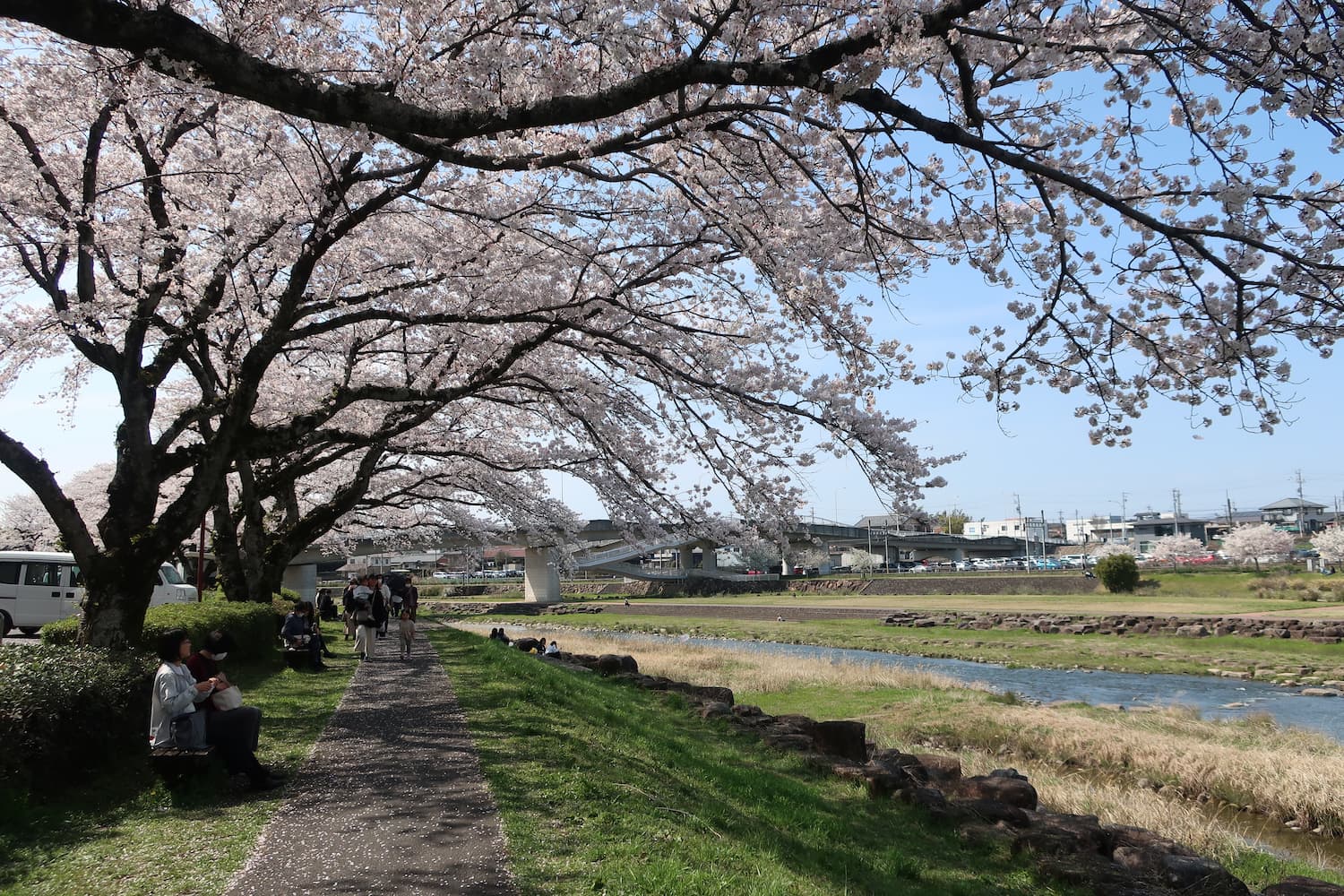
  • Yamazaki River – A 2 km riverside lined with 600 cherry trees, perfect for peaceful viewing.

Top Cherry Blossom Spots Near Nagoya

  • Gojo River (Gifu) – A picturesque river with 1,700 cherry trees and evening illuminations.
  • Okazaki Castle Park – A historical castle setting with 800 cherry trees, lit up beautifully at night.

Tsuruma Park

Tsuruma Park is the most recommended spot for cherry blossom viewing in Nagoya. Recognized as one of Japan’s Top 100 Sakura Spots, the park is filled with blooming cherry trees. Each year, a sakura festival is held, featuring food stalls and nighttime illuminations. Located just a 10-minute train ride from Nagoya Station, it’s an easily accessible and must-visit location.

Meijo Park

Meijo Park surrounds the famous Nagoya Castle and features about 200 cherry trees. The combination of historical architecture and pink blossoms creates a perfect setting for capturing iconic sakura photos. Conveniently located near the subway, it’s free to enter and a fantastic hanami spot.

Yamazaki River

Yamazaki River offers a more tranquil cherry blossom experience, with 600 sakura trees lining its banks for about 2 kilometers. Also designated as one of Japan’s Top 100 Sakura Spots, this location is ideal for relaxed strolls. Unlike other hanami spots, food and alcohol are restricted here, making it a peaceful place to admire the blossoms.

Gojo River

North of Nagoya, the Gojo River is a hidden gem featuring 1,700 cherry trees stretching several kilometers. This location is also on Japan’s Top 100 Sakura Spots list, with nighttime illuminations and festival stalls. However, getting there requires a 1-hour journey by train and bus.

Okazaki Castle Park

Located an hour from Nagoya, Okazaki Castle Park is famous for its 800 cherry trees. The castle grounds create a nostalgic Japanese atmosphere, making it an excellent place for hanami. At night, the park is illuminated, and festival stalls line the pathways, adding to the lively experience.

How to Enjoy Cherry Blossoms in Japan: Hanami, Night Sakura & Festivals

  • Festivals & Cherry Blossoms
  • Hanami – Traditional Cherry Blossom Viewing
  • Night Sakura – Illuminated Cherry Blossoms

Festivals & Cherry Blossoms

Spring in Japan brings numerous traditional festivals that celebrate the arrival of the season. Many of these festivals include prayers for a good harvest and are held in early April, coinciding with the cherry blossoms. Since hanami (flower viewing) is often linked with these festivals, visitors can enjoy both at the same time.

Inuyama Festival

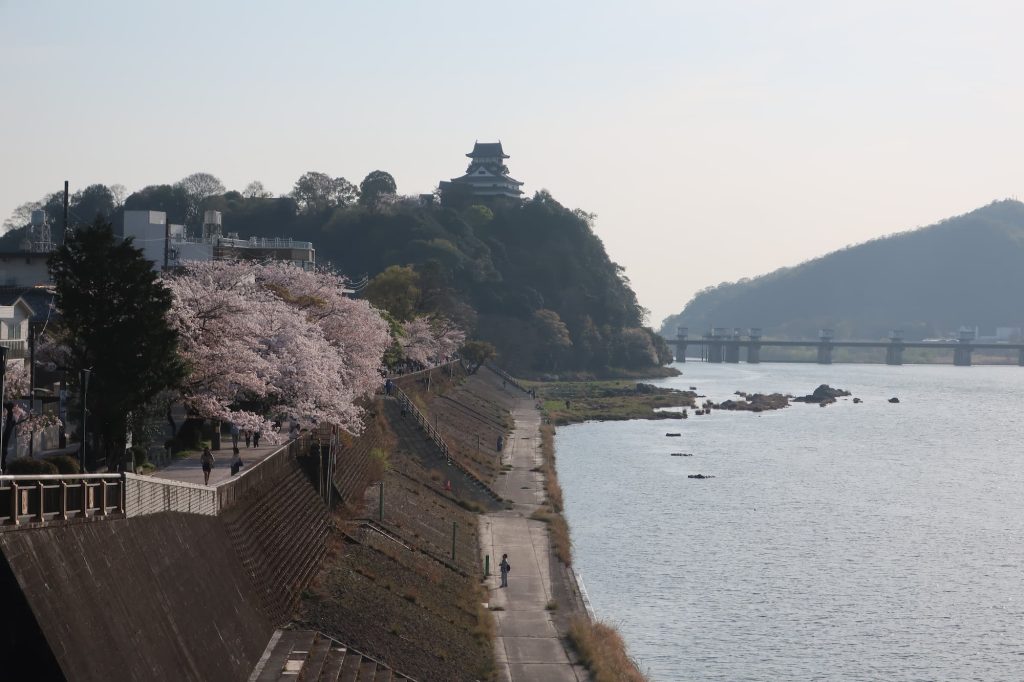
The Inuyama Festival, held in early April, is famous for its parade of elaborately decorated floats with mechanical puppets. At night, the floats are illuminated with lanterns, creating a magical atmosphere against the cherry blossoms.

Ieyasu Parade (Ieyasu Gyoretsu)

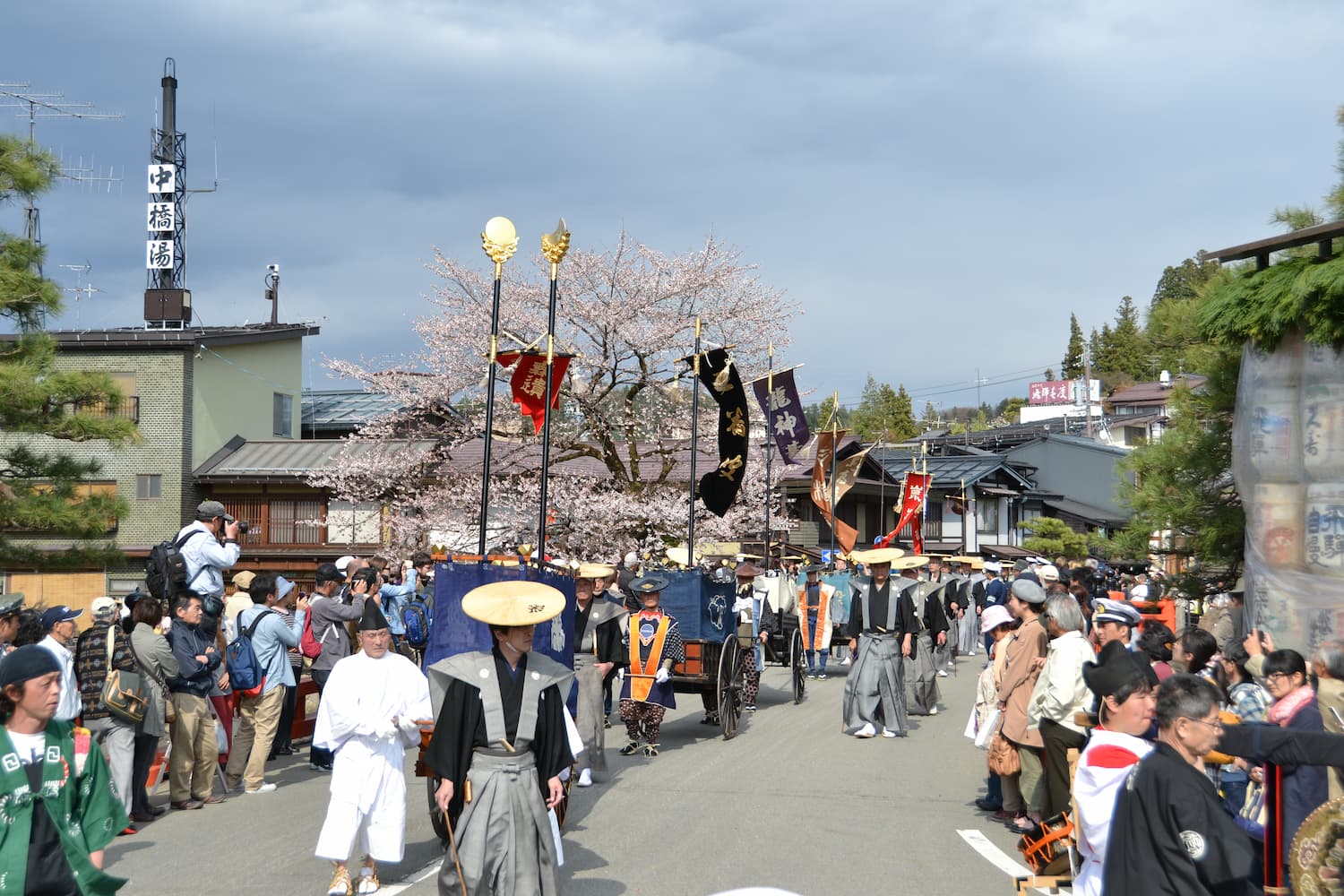
Held in Okazaki, this historical reenactment parade celebrates the legacy of Tokugawa Ieyasu, the founder of the Tokugawa shogunate. Samurai warriors march through the streets as cherry blossoms bloom, offering a unique blend of history and nature.

Hanami – Traditional Cherry Blossom Viewing

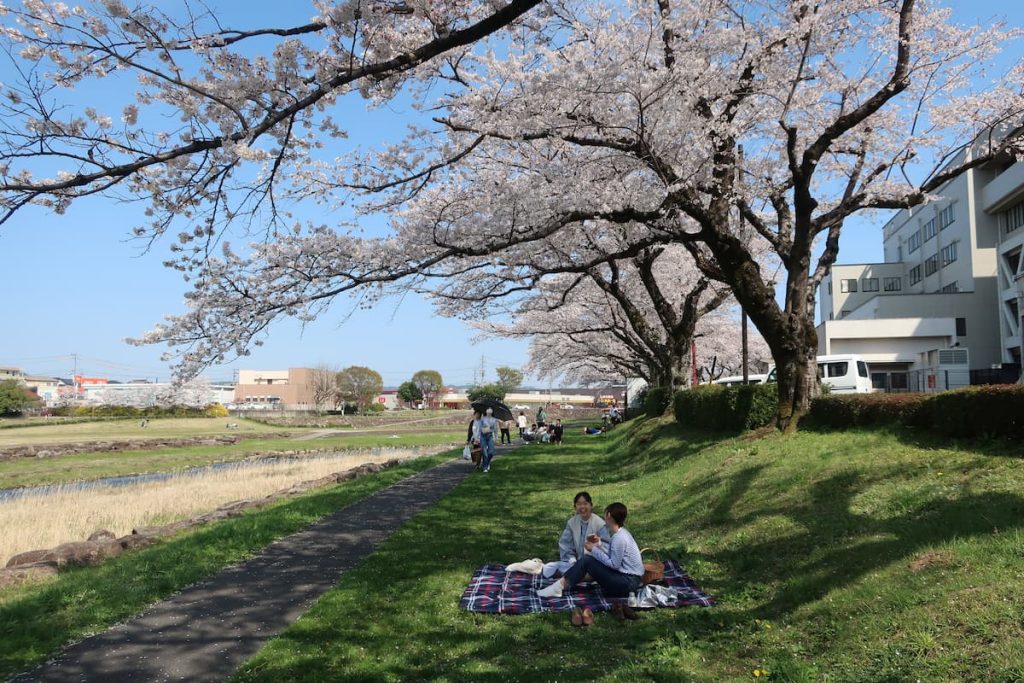
Hanami (花見) is one of the most popular ways to enjoy cherry blossoms in Japan. People gather under the trees with bento boxes and sake, enjoying picnics with friends and family. Most famous sakura spots have food stalls, so even if you don’t bring your own meal, you can enjoy traditional Japanese snacks.

Night Sakura – Illuminated Cherry Blossoms

Many cherry blossom locations offer nighttime illuminations, allowing visitors to experience a more magical and romantic atmosphere. However, evenings can be chilly, so wearing warm clothes is recommended. Some locations, like Okazaki Castle Park, even provide festival food stalls at night, so you can enjoy dinner while admiring the blossoms.

Plan Your Cherry Blossom Trip to Nagoya!

Whether you’re strolling through historic castle parks, enjoying the festive atmosphere of cherry blossom festivals, or experiencing the serenity of riverside cherry trees, Nagoya and its surrounding areas offer a perfect blend of tradition, history, and natural beauty. Plan your trip between late March and early April for the best experience and immerse yourself in Japan’s breathtaking spring scenery!