Looking for the Best Lunch in Kani City? Visit Aoi Shokudo

A Perfect Location in Kani City, Gifu: A Great Stop During Your Sightseeing Trip

In this article, we introduce “Aoi Shokudo(葵食堂)” a local eatery in Kani City, located in the southeastern part of Gifu Prefecture. Kani City borders Aichi Prefecture and is about a 1.5-hour train ride from Nagoya.

The surrounding area includes Inuyama City(犬山), famous for the National Treasure Inuyama Castle(犬山城), and Yaotsu Town(八百津), known as the birthplace of Chiune Sugihara(杉原千畝), who saved many Jewish people from persecution. You might visit Kani City while sightseeing in Inuyama or Yaotsu.
Excellent Access in Front of Kani City Hall: Perfect for a Walk from the Station

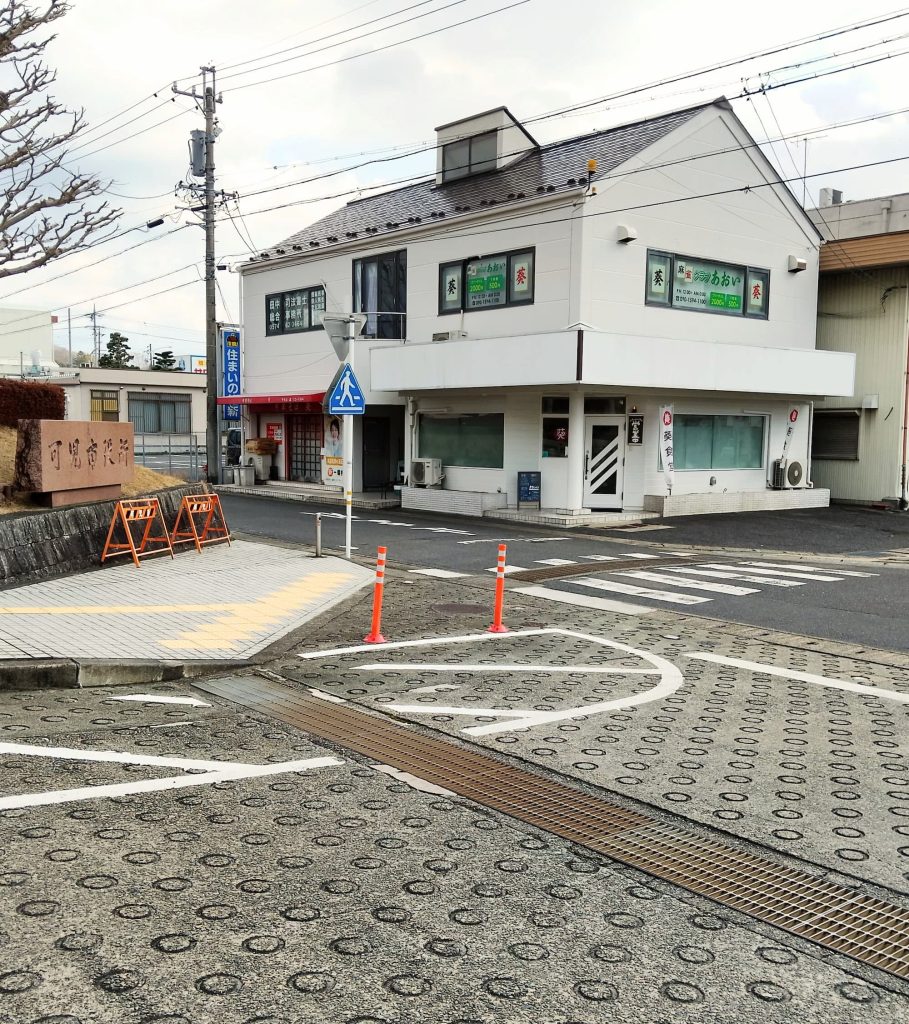
Aoi Shokudo is located right in front of Kani City Hall. It is in the center of town, about 1 km (a 10 to 15-minute walk) from Meitetsu Shin-Kani Station (新可児) and JR Kani Station(可児).

The area around the station has been recently redeveloped, but there are limited restaurants there. However, if you walk toward City Hall, you will find a lively downtown area with many shops. If you visit Kani by train, going toward the downtown area is the best choice for a meal.
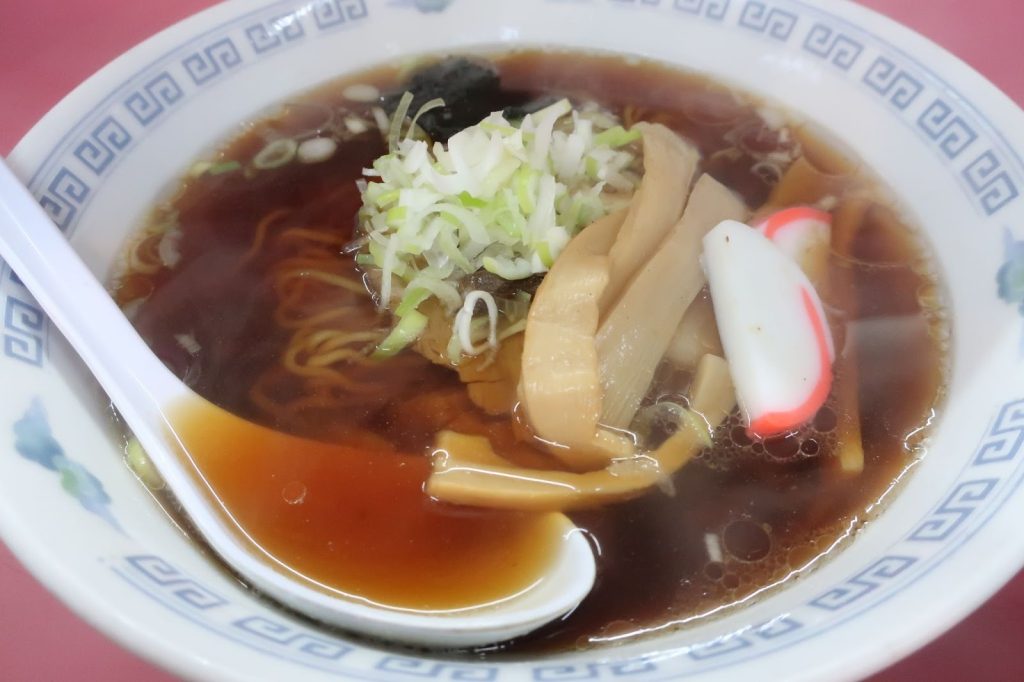
A Bowl That Connects History: Enjoy Light Ramen for Lunch

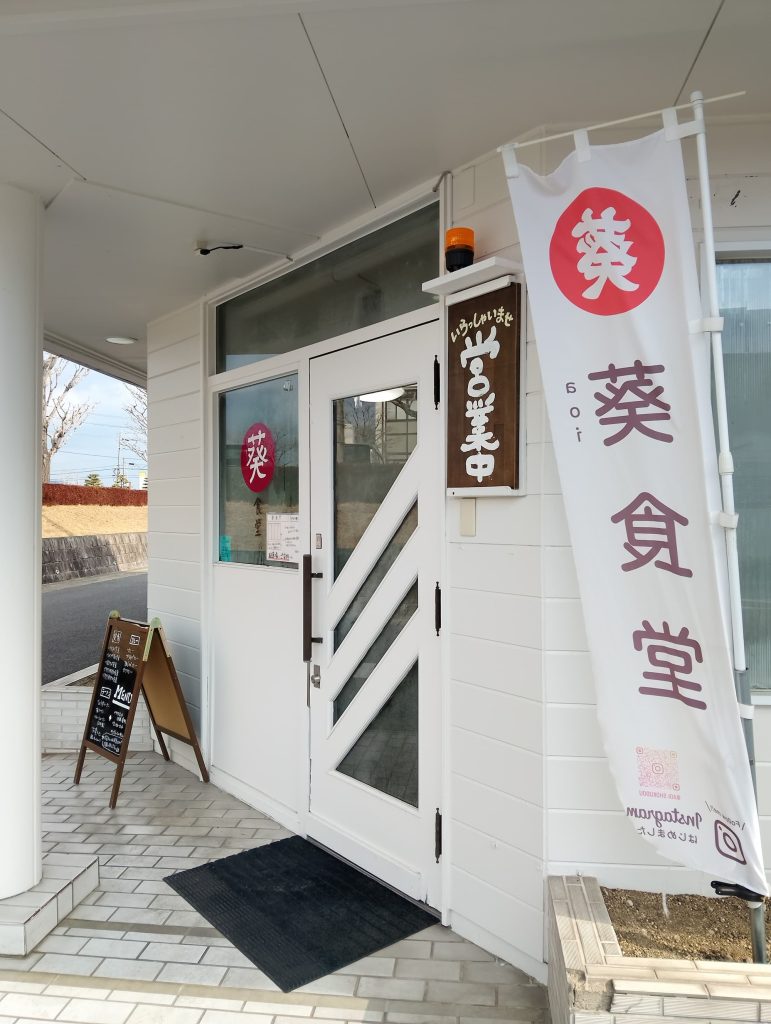
Aoi Shokudo opened in 2024, but its roots come from its sister shop next door, “Chuka Soba Aoi (中華そば葵).” Chuka Soba Aoi has been a famous shop in this location for decades. When people think of ramen in Kani, many mention this shop.

Carrying on this long-loved history, you can enjoy their signature “Chuka Soba(中華そば)” here as well. “Chuka Soba” is a Japanese term for ramen. The ramen has a light soy sauce flavor, which is very different from the heavy, greasy ramen that is popular today. This traditional taste will give you a sense of nostalgia.

While “Chuka Soba Aoi” is only open at night, Aoi Shokudo specializes in lunch. You can enjoy Aoi Shokudo during the day and Chuka Soba Aoi at night depending on the time of your visit.
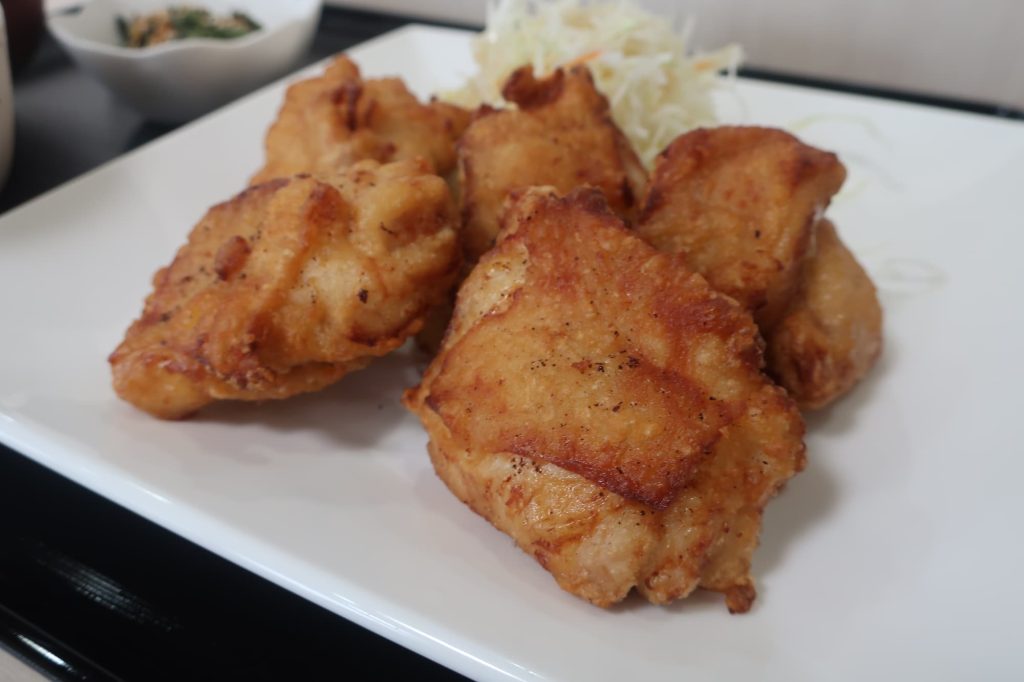
Master Craftsmanship: Elegant and Juicy “Fried Chicken Set”

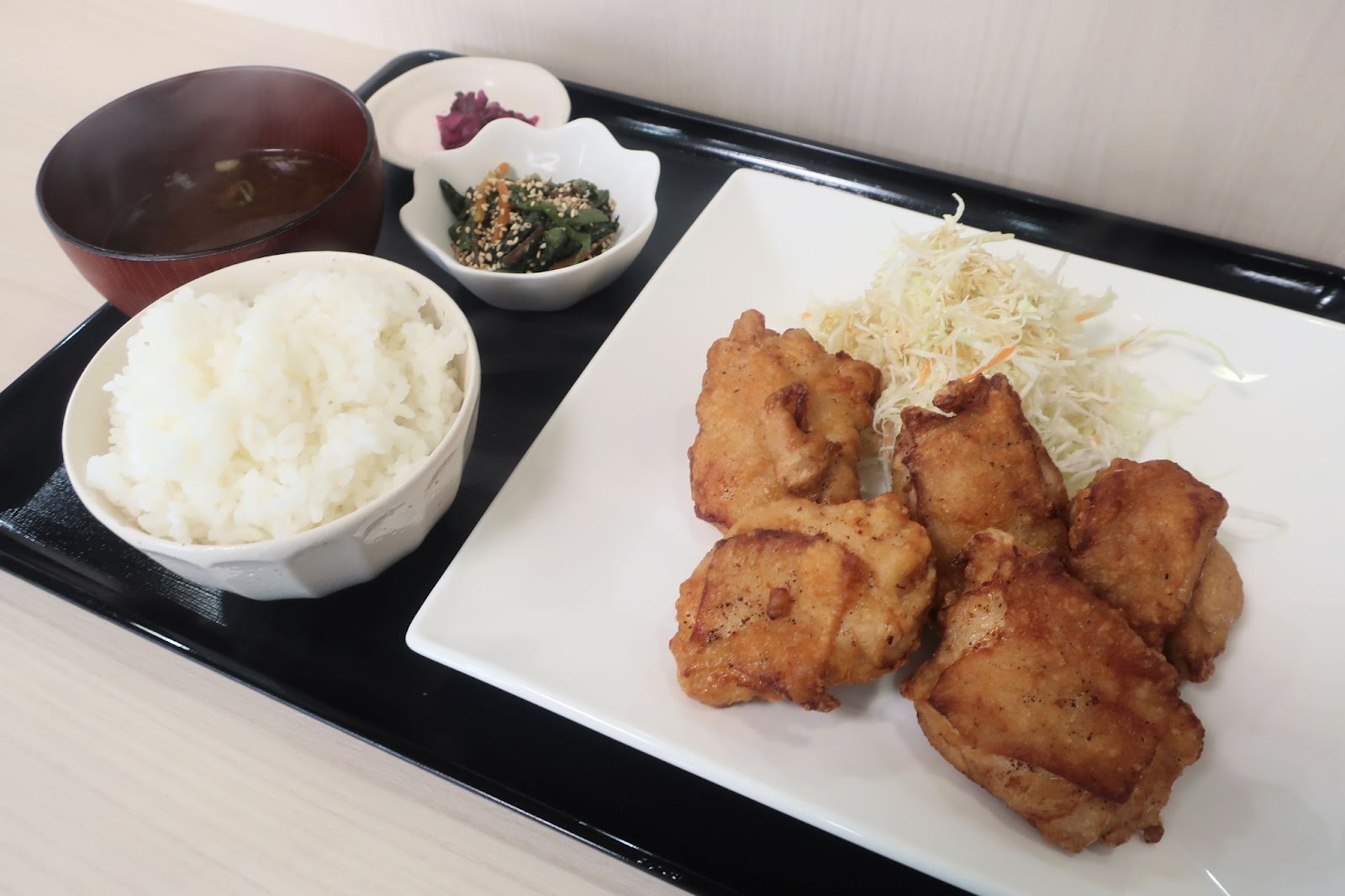
During this visit, I ordered the “Karaage Teishoku” (Fried Chicken Set/唐揚げ定食). The fried chicken was crispy, light, and truly excellent. People often think of fried chicken as heavy or “junk food,” but the chicken here is different in a good way.

The chicken is juicy, but the breading is light and not oily. Because of this elegant preparation, I could finish the whole meal without getting tired of the taste. I didn’t feel heavy afterward and felt very satisfied. This delicious fried chicken is a must-eat.
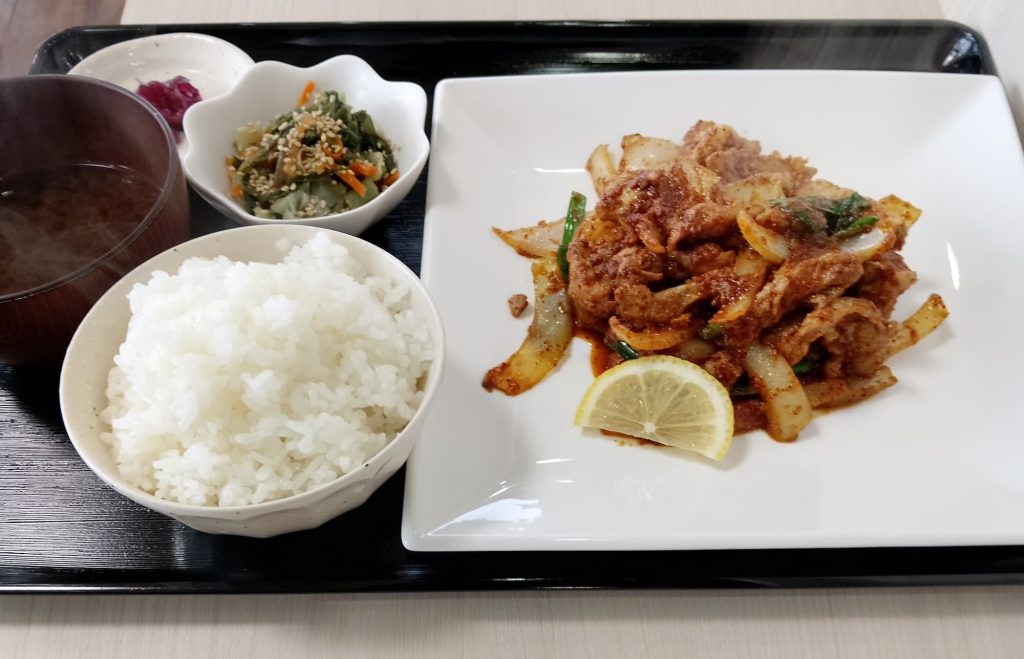
A Variety of Unique Dishes: Spicy Stir-Fried Pork

In addition to ramen and fried chicken, don’t forget the “Piripiri Niku-itame Teishoku” (Spicy Stir-Fried Pork Set /ピリピリ肉炒め定食). This dish features pork stir-fried with a spicy flavor and has a strong impact. If you are looking for a bold taste, I recommend this one.
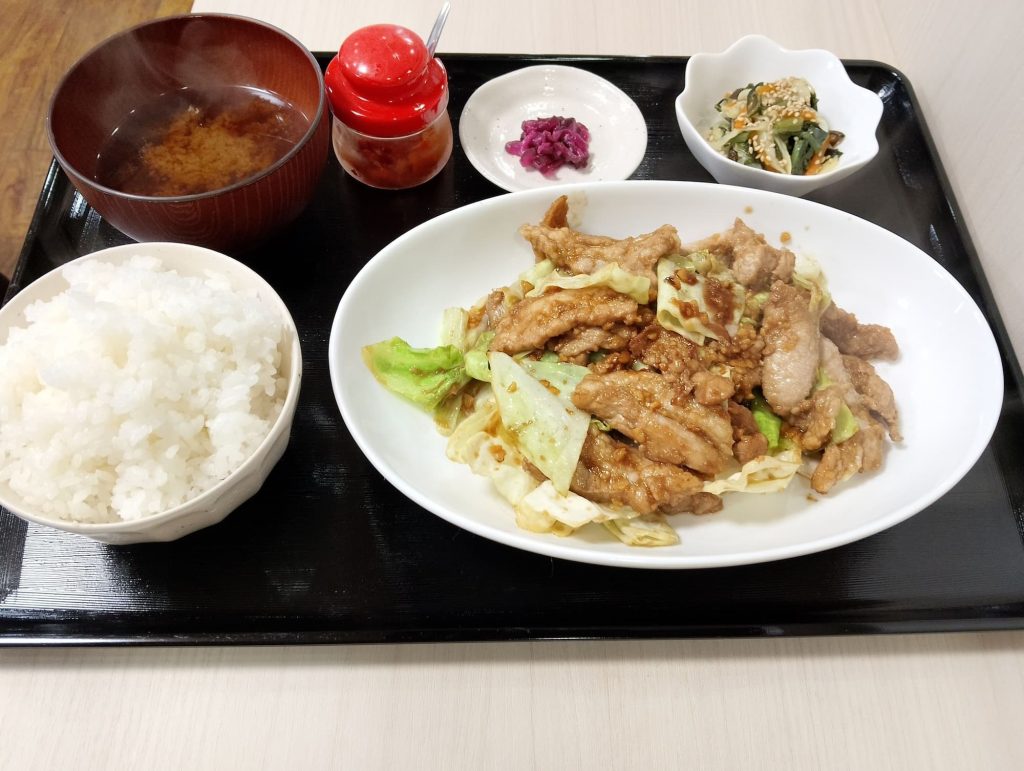
Furthermore, there are many types of noodles like Soy Sauce, Salt, and Taiwan Ramen (台湾ラーメン), as well as classic dishes like Curry (カレーライス). With so many choices, friends and families can all find something they want to eat.
If You Want Lunch in Kani City, Go to Aoi Shokudo

From light ramen and elegant fried chicken to spicy stir-fried pork, Aoi Shokudo meets the tastes of many different people. It is a place where you can find great flavor, a wide menu, and a satisfying meal. If you are wondering, “What should I eat for lunch today?” in Kani City, please visit Aoi Shokudo.
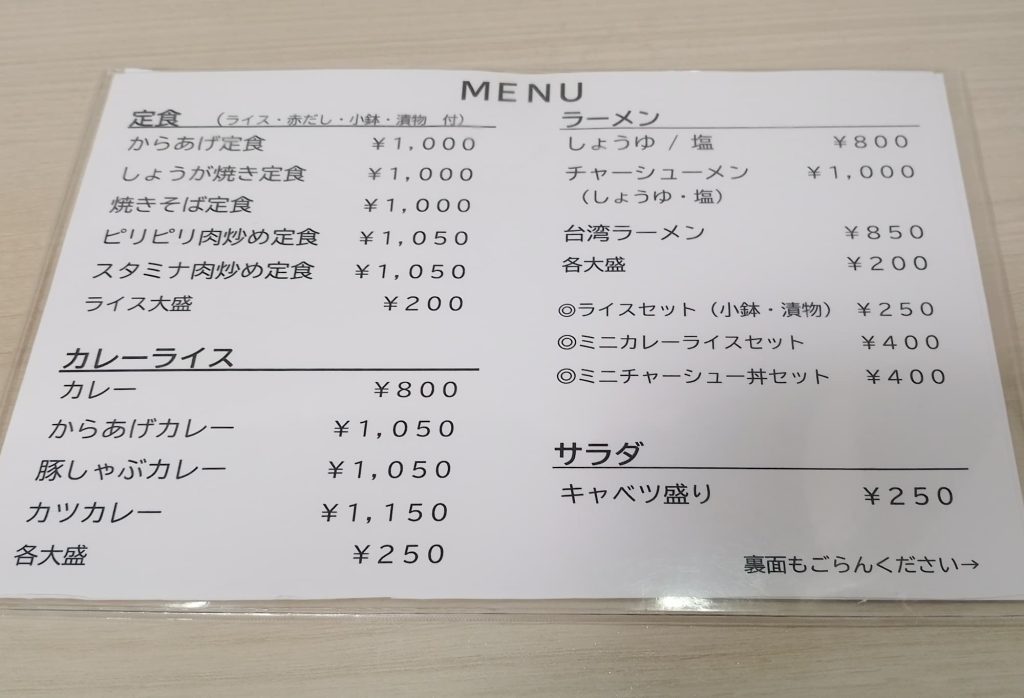
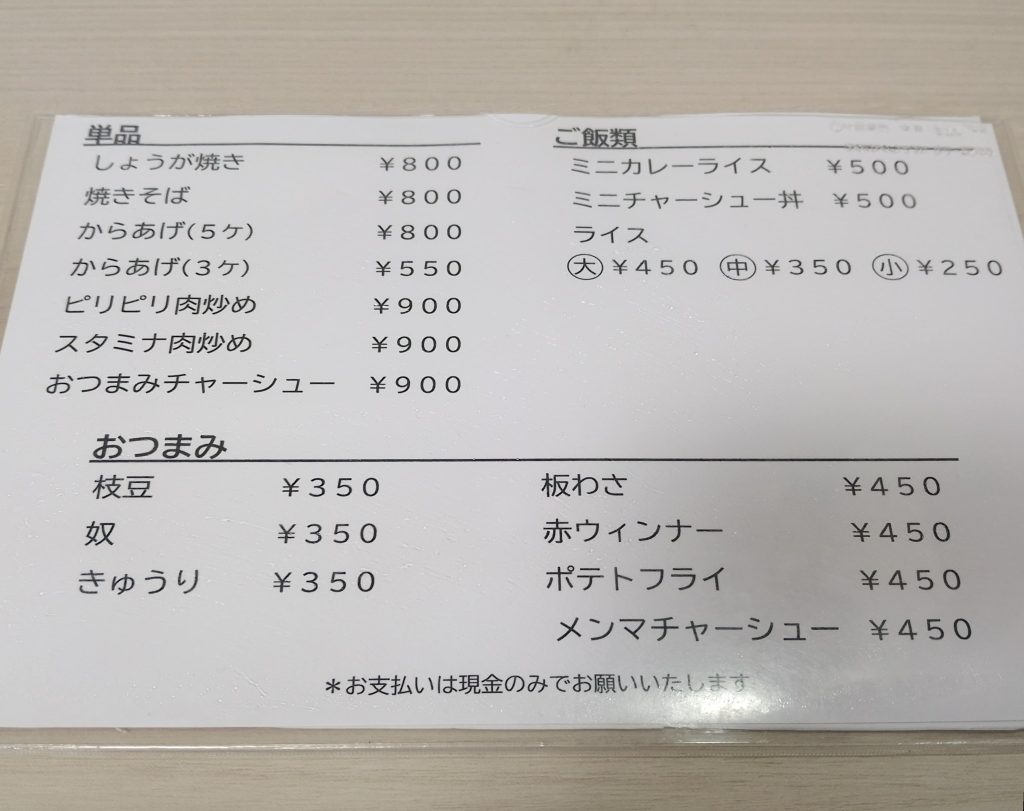
(Information as of January 2026)

Aoi Shokudo

  • Address: 1-51-2 Hiromi, Kani City, Gifu 509-0214
  • Hours: 11:00 AM – 3:00 PM (Last Order: 2:30 PM)
  • Closed: Mondays, Tuesdays, and National Holidays
  • (Information as of January 2026)

What to Know When Bringing Beer and Wine into Japan

Many travelers wish to bring beer or wine with them when visiting Japan. Therefore, it is important to know if you can bring these items into Japan and what restrictions apply. Failure to comply could result in the disposal of your souvenirs or the payment of substantial taxes. This article explains the rules you need to know when bringing beer and wine into Japan.


1. Customs (Taxation)

Key LimitsExemptSubject to Tax
LiquorUp to 3 bottles (approx. 760 ml each)Quantities exceeding 3 bottles

When bringing beer and wine into Japan, Customs is the first consideration. Customs imposes duties and taxes on goods entering Japan from overseas.

  • Duty-Free Allowance: Adults (aged 20 or over) are permitted to bring up to 3 bottles of liquor (approximately 760 ml per bottle) into Japan duty-free. Within this limit, you do not need to pay Customs duty, Consumption Tax, or Liquor Tax.
  • Personal Consumption (Weight): For non-commercial, personal use, if the total weight of food products (including wine and beer) is under 10 kg, no notification procedure is required under the Food Sanitation Law.
  • Taxable Items: If you bring in more than 3 bottles, the excess amount is subject to Customs duty, Consumption Tax, and Liquor Tax.

Importation of Alcoholic Beverages / Japan Customs


2. Quarantine

Beer and Wine are Not Subject to Quarantine.

Quarantine measures are designed to prevent pathogens and pests attached to food products from entering Japan. Target items include meat, fruits, vegetables, and dairy products. These items may be prohibited entirely or require an inspection certificate for import. However, alcoholic beverages such as beer and wine are not subject to animal or plant quarantine.


3. Restrictions for Air Travel (Aviation Security)

Bringing alcoholic beverages onto an aircraft is governed by strict aviation security regulations (regardless of Customs rules).

  • Carry-on Baggage:
    • Before Security: Bringing liquids (including beer and wine) from outside the airport is severely restricted. You can only carry liquids in containers of 100 milliliters (ml) or less within a transparent, resealable plastic bag.
    • After Security (Airport Purchase): Items purchased at duty-free shops or airport stores after security screening are generally permitted on board. The restrictions based on alcohol content are:
      • Alcohol Content 24% to 70%: Limit of 5 liters per person.
      • Alcohol Content 24% or less: No restrictions. (Note: Check with the specific airline as rules may vary slightly, though these limits are standard.)
  • Connecting Flights (Caution): If you have a connecting flight, you may have to go through a second security screening in the transit country. Items bought after security at the first airport may be confiscated at the second screening if they exceed the 100ml carry-on limit. It is safest to purchase beer or wine after the security check at your last transfer airport or pack them in checked baggage.
  • Checked (Hold) Baggage:
    • Alcoholic beverages packed in checked baggage are subject to the same aviation security limits as post-security purchases:
      • Alcohol Content 24% to 70%: Limit of 5 liters per person.
      • Alcohol Content 24% or less: No restrictions. (Note: These are aviation rules; the Customs duty-free limit of 3 bottles still applies upon arrival in Japan.)

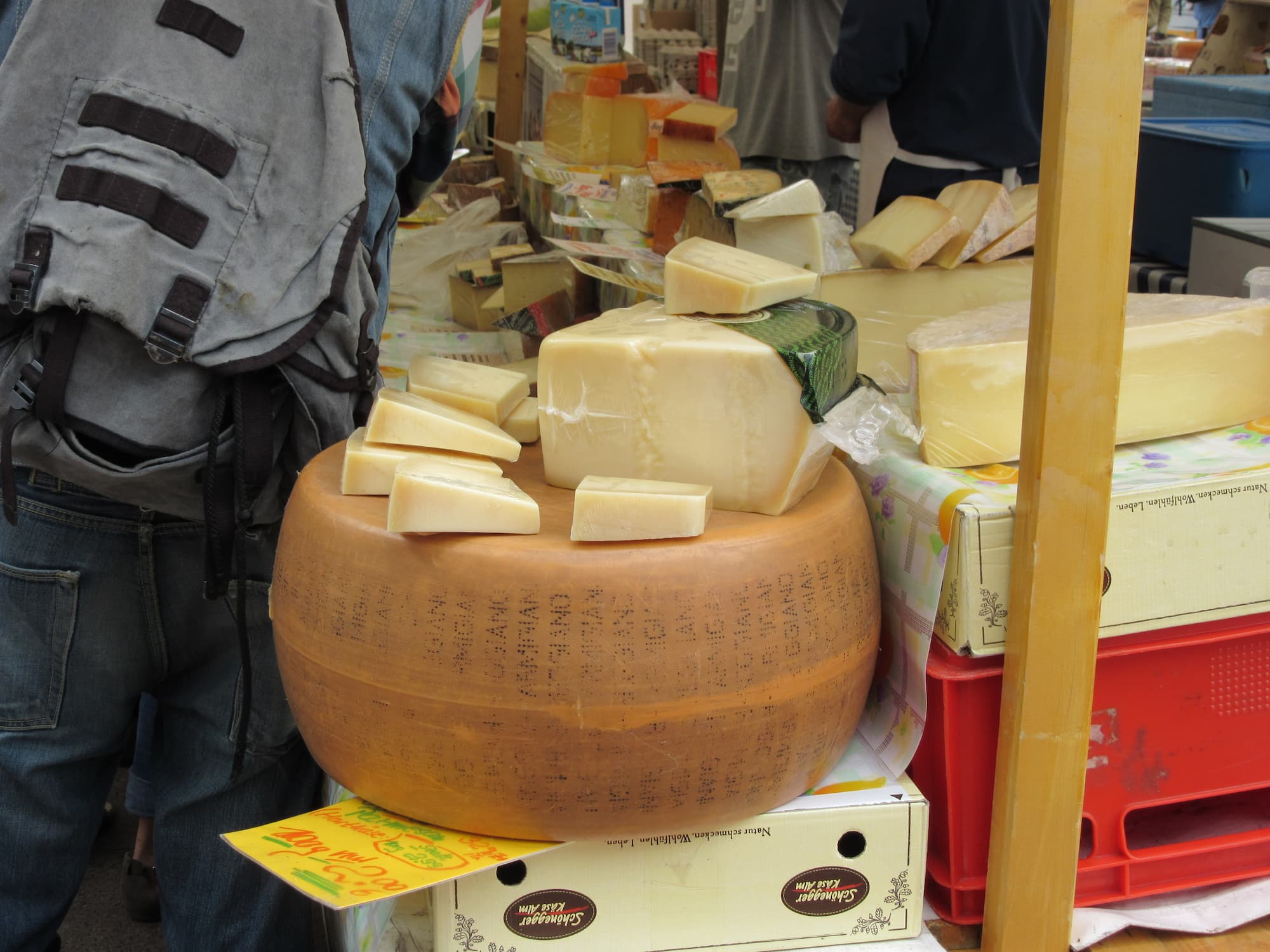
Can You Bring Cheese into Japan? What You Need to Know About Quarantine

When planning a trip to Japan, you might wonder about which items you can and cannot bring into the country. Japan imposes numerous regulations on bringing foreign products and food, with some unexpected items being subject to restrictions.

One such item that raises questions is cheese products. Since Japan does not offer the same extensive variety of cheeses as some other countries, many travelers consider bringing their favorites. Here is an explanation of the rules for bringing cheese into Japan.

1. Dairy Products Are Subject to Animal Quarantine.

When bringing goods or food into Japan from overseas, one must be mindful of whether the item is subject to quarantine. Quarantine is an inspection process conducted at airports and ports to prevent the entry of infectious diseases and pathogens carried by items imported from abroad.

While various items are subject to quarantine, dairy products such as cheese were not always included. However, since September 2017, dairy products have become subject to animal quarantine. This means that cheese, as a dairy product, generally requires quarantine when brought into Japan from overseas, though there are some exceptions.

Official Explanation from the Animal Quarantine Service

2. Dairy Products Exempt from Quarantine

Although dairy products generally require quarantine for import into Japan, the Animal Quarantine Service lists the following categories that are commonly exempt from mandatory inspection certification or are completely non-regulated:

  1. Items brought in as personal baggage.
  2. Canned, bottled, or retort-pouch processed products (those that have been fully heat-sterilized).
  3. Products storable at room temperature (must comply with the Milk and Dairy Products Ordinance).
  4. Items NOT for commercial or business use (limited to 10kg or less).

Since bringing dairy products in as souvenirs falls under categories 1 and 4, the official Japanese ordinance allows for an exception. However, if quarantine is deemed necessary, an inspection certificate issued by the government agency of the country of purchase is required.

3. What Qualifies as a Dairy Product?

Beyond cheese, some travelers consider bringing in butter or other milk-based items. The Animal Quarantine Service specifies the following as dairy products subject to quarantine:

  • Milk and Cream
  • Butter
  • Cheese
  • Items made from raw milk/dairy products
  • Feed or pet food made from raw milk/dairy products

4. If You Are Unsure, Consult the Animal Quarantine Service

The Animal Quarantine Service website provides detailed information regarding dairy product quarantine. If you have questions about specific quantities, types, or if you are unsure about the classification of your product, it is strongly recommended that you contact the Animal Quarantine Service directly for confirmation.

5. Important Restrictions on Bringing Food into Japan

Due to quarantine regulations, many food items and products cannot be brought into Japan. Even small quantities for personal consumption may be prohibited. Items that generally cannot be brought into Japan from overseas include:

  • Meat products (including not only meat itself but also items containing meat)
  • Fruits such as grapes, apples, and oranges
  • Vegetables such as potatoes, tomatoes, and bell peppers
  • Nuts with shells, such as walnuts

(Other items, such as cut flowers, seeds, and rice, may be allowed after inspection.)

6. Illegal Importation of Prohibited Products Is Subject to Penalties

The importation of meat products, vegetables, and other items listed above is strictly restricted by law. Illegal importation can, in some cases, result in police notification and possible arrest.

Highly illegal cases may be subject to a prison sentence of up to 3 years or a fine of up to 3 million yen (or up to 50 million yen for corporations). Therefore, exercise extreme caution when bringing meat or vegetables into Japan from overseas.