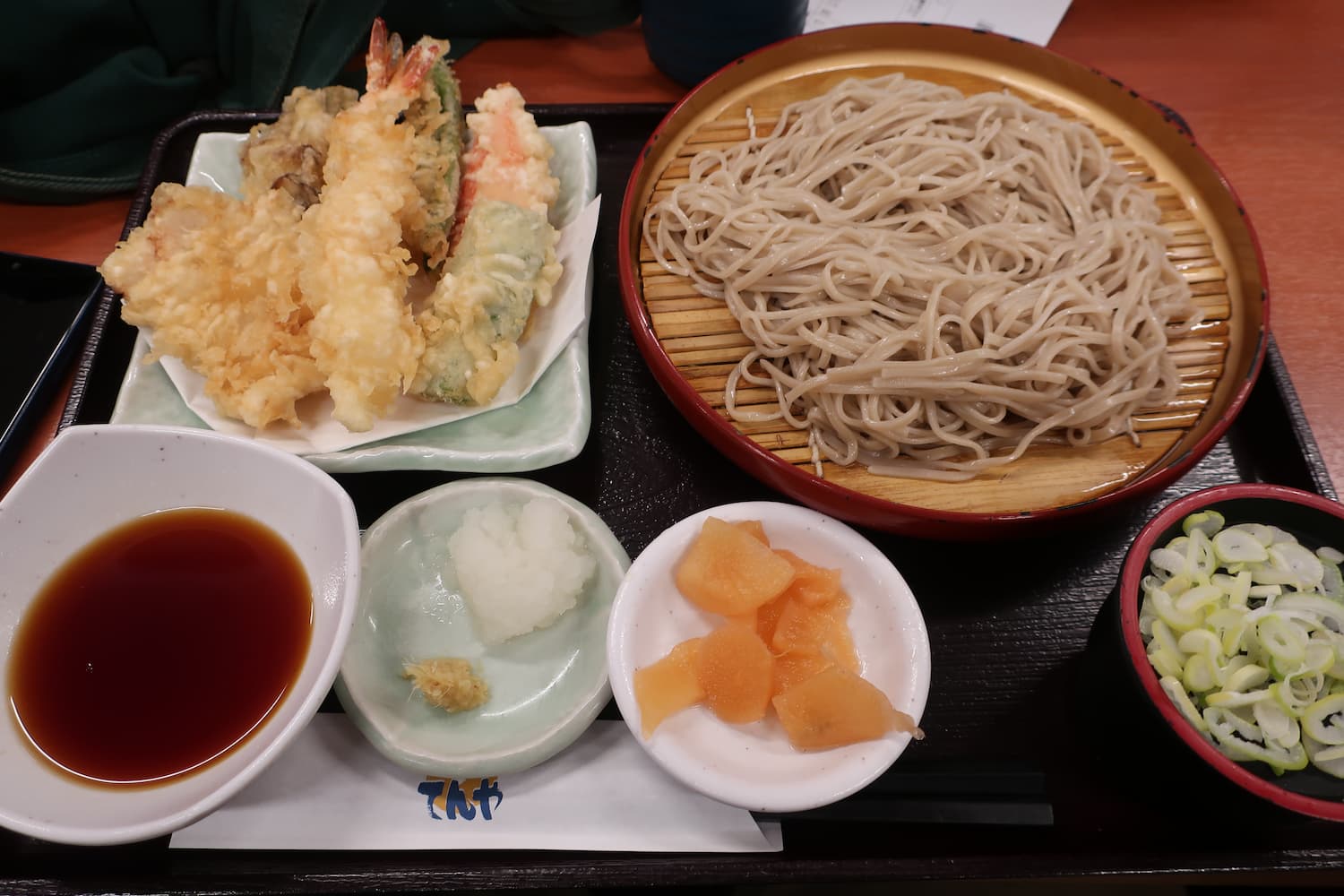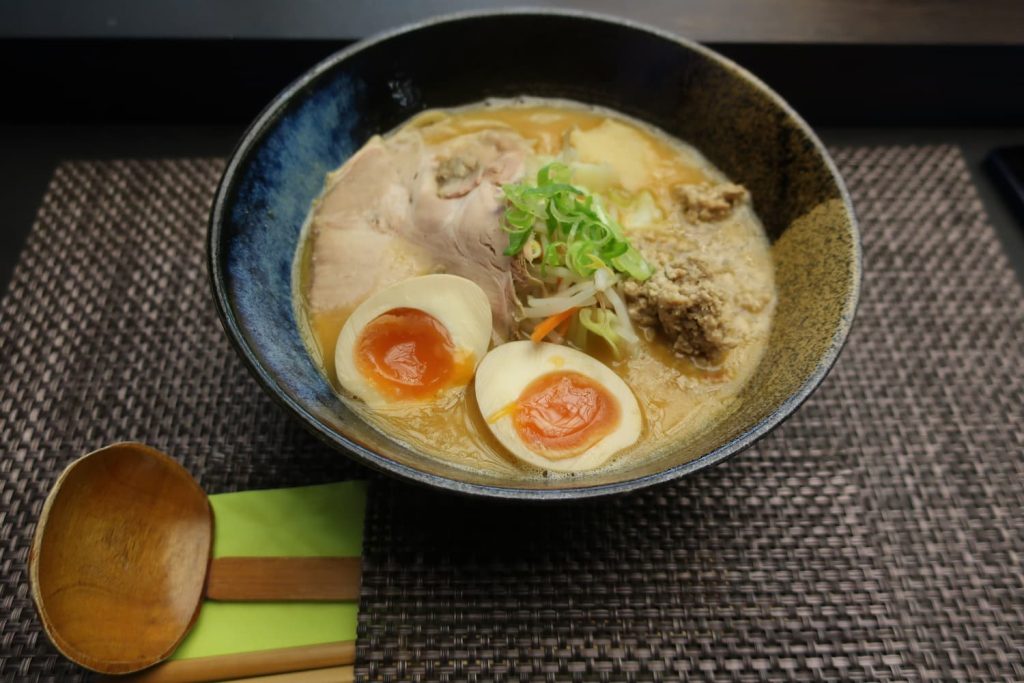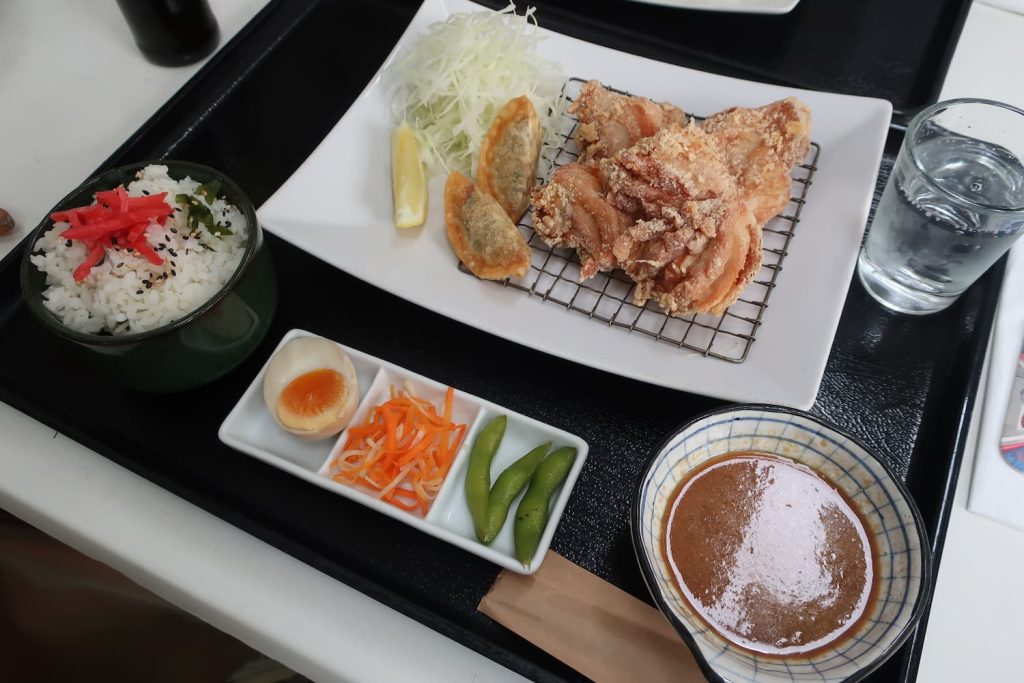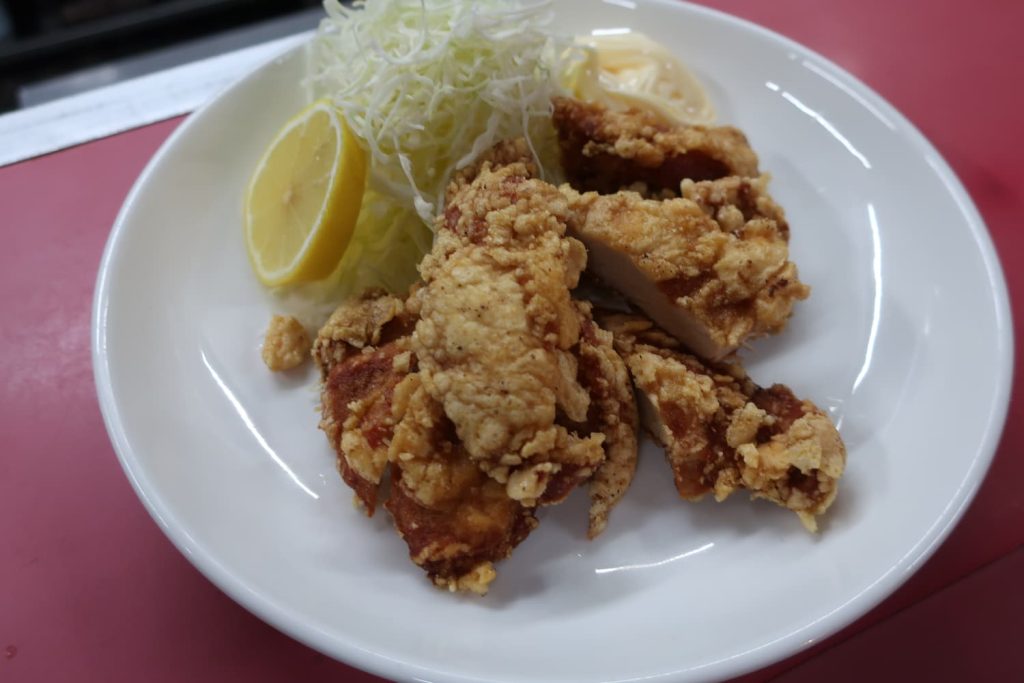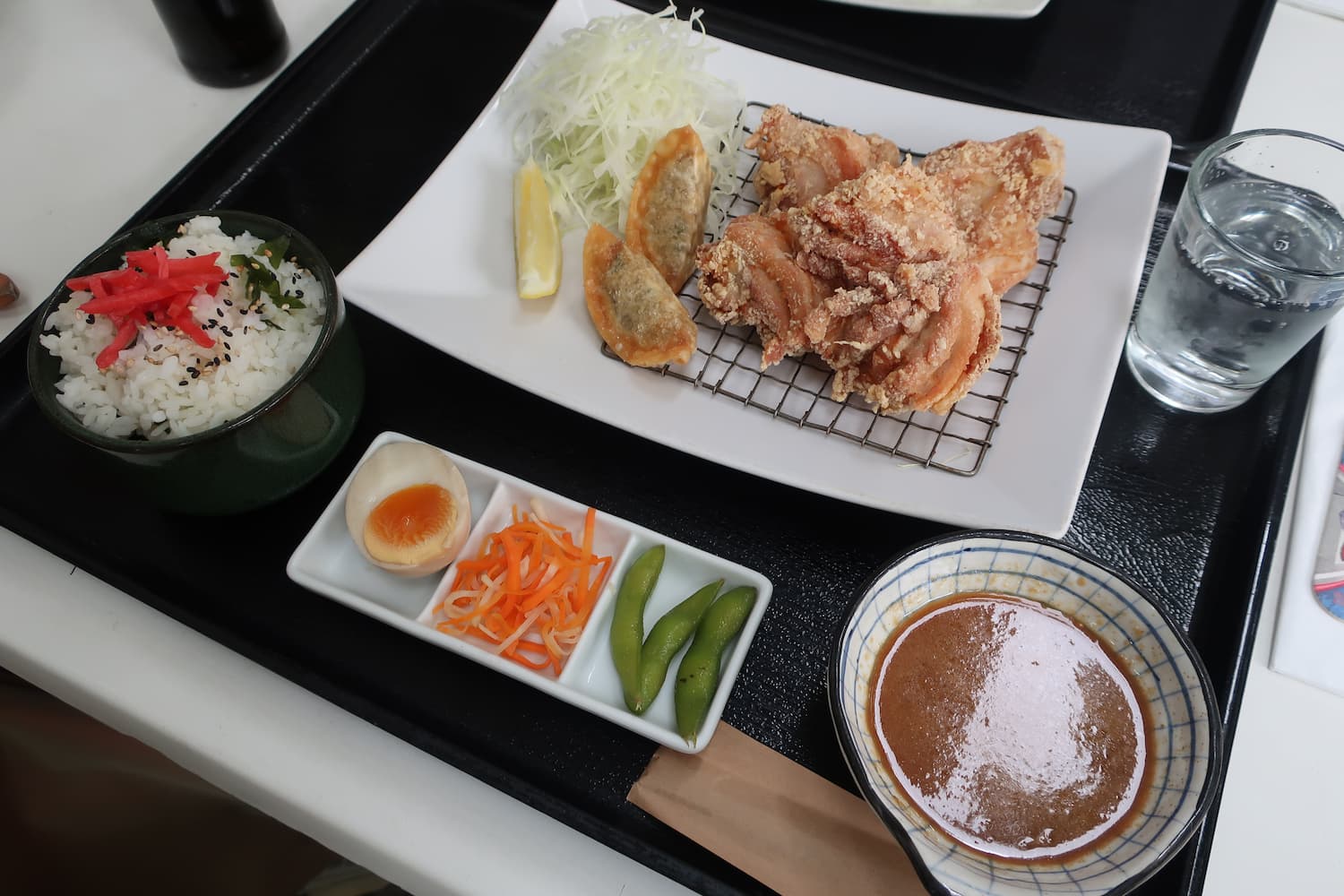
One of the best parts of traveling in Japan is the food. From high-end restaurants that offer exquisite meals and unique experiences to affordable chain eateries serving delicious dishes, Japan boasts a wide variety of dining options. It’s no surprise that most travelers end up visiting many local restaurants during their stay.
However, dining in Japan may involve rules and customs that differ from those in your home country. While some etiquette might be familiar, there are also unique Japanese customs that may surprise you. Without knowing them, you might unknowingly break a rule and risk causing discomfort—or even conflict—with restaurant staff.
In this article, we’ll walk you through the key rules and etiquette to observe at Japanese restaurants, ensuring you enjoy your meals without any trouble.
- Expect a Table Charge and “Otoshi” at Izakayas and Bars
- Order One Item Per Person as a General Rule
- Smoking Is Only Allowed in Designated Areas or Smoking-Permitted Venues
- Avoid Talking on the Phone Inside Restaurants
- Ask for Permission Before Filming Videos Inside Restaurants
- Even at All-You-Can-Eat Restaurants, Don’t Waste Food
- Do Not Bring Outside Food or Drinks into Restaurants
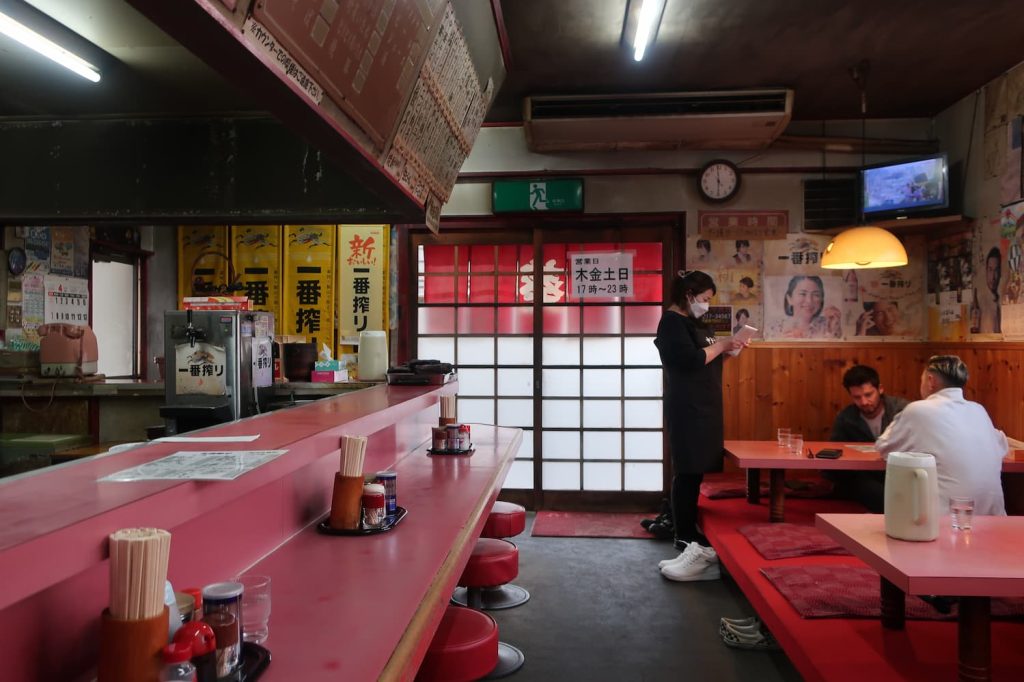
Expect a Table Charge and “Otoshi” at Izakayas and Bars
In Japan, it’s common for izakayas (Japanese-style pubs) and bars to charge a table fee, known as a table charge or seating fee. When you sit down at an izakaya, you’ll typically be served a small appetizer called “otoshi ”(お通し) or “tsukidashi”(突き出し), even if you didn’t order it. This small dish is part of the table charge, which usually costs a few hundred yen.
This fee exists because izakayas are places where people often stay for extended periods while enjoying drinks and a variety of food. The longer dining times mean fewer customer turnovers, so the table charge helps compensate for that. It’s important to know that this appetizer cannot usually be declined, as it’s considered part of the service.
Similarly, bars may also serve a light snack along with the table charge. Be prepared for these charges and understand they are standard practice in Japan’s dining culture.
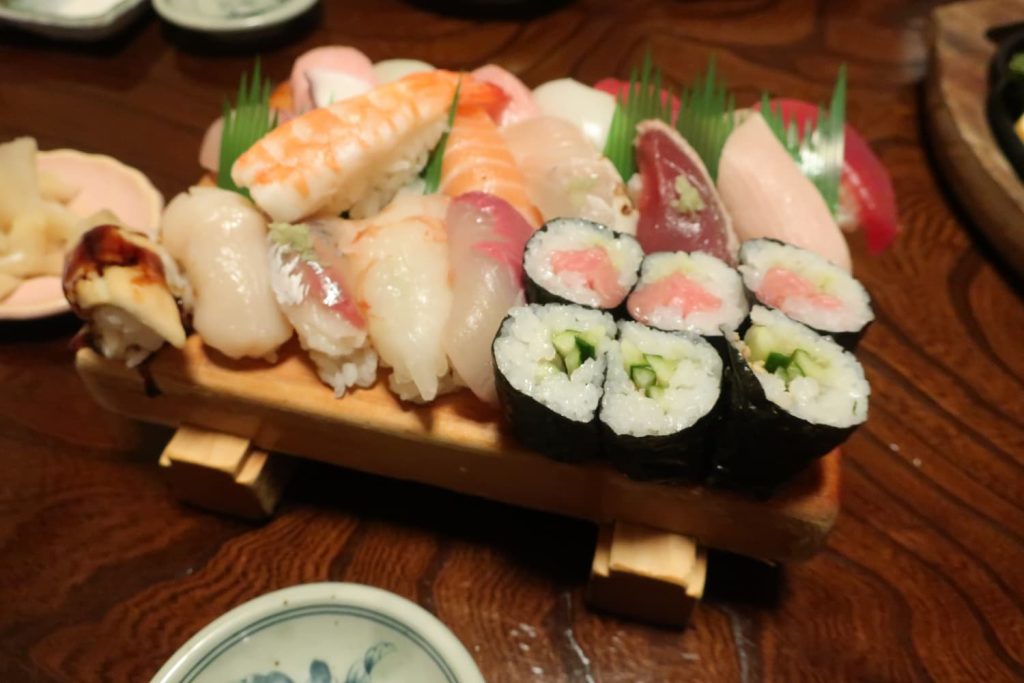
Order One Item Per Person as a General Rule
Unless you’re at an izakaya or a restaurant specializing in large, shareable dishes like Chinese cuisine, the norm in Japan is for each person to order at least one item. Even at cafes, it’s considered bad manners for a group to order only one drink or dish while occupying space for multiple people.
This custom helps ensure fair business for restaurants. If a table is occupied by people who aren’t ordering, it prevents the restaurant from serving other paying customers. To be respectful, make sure everyone in your party orders something.
Smoking Is Only Allowed in Designated Areas or Smoking-Permitted Venues
Japan has strengthened its anti-smoking laws in recent years. Since 2020, due to amendments to the Health Promotion Law, passive smoking is strictly regulated. Most restaurants are now completely non-smoking, unless they have a designated smoking area.
If you wish to smoke, check in advance whether the restaurant allows smoking or has a separate smoking space. Never smoke in a non-smoking area, as doing so can lead to complaints or penalties.
Avoid Talking on the Phone Inside Restaurants
In Japan, talking on your mobile phone in public places like trains or restaurants is considered impolite. This applies to dining establishments as well.
If you must take a phone call, step outside or move to a designated area where you won’t disturb others. Using your phone for texting or browsing social media silently is acceptable, but always keep your phone on silent or vibration mode.
Ask for Permission Before Filming Videos Inside Restaurants
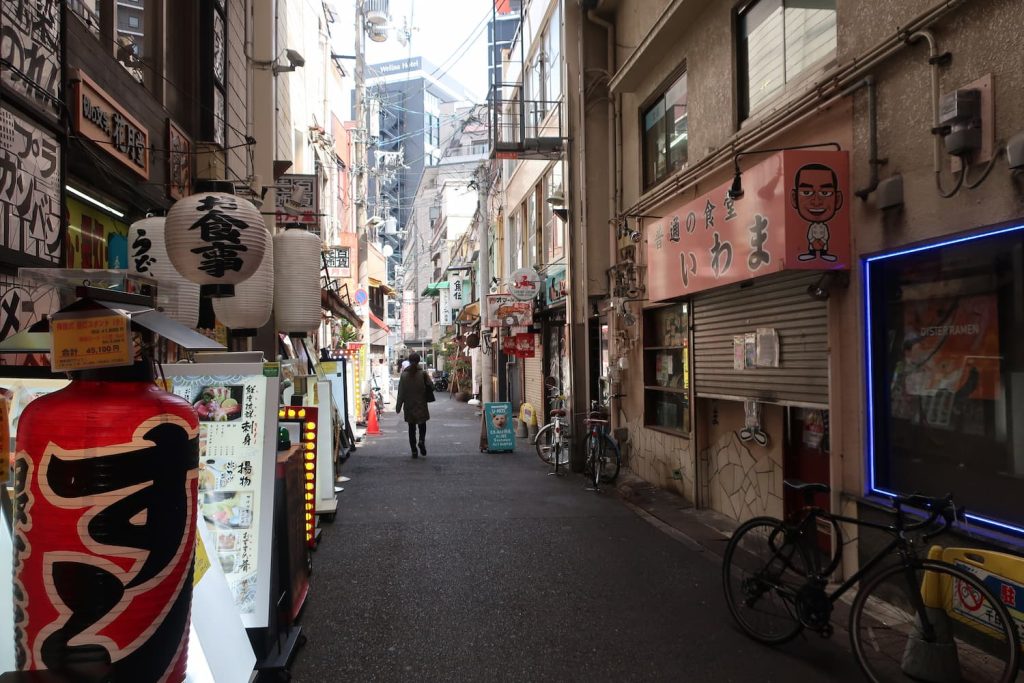
With the rise of social media and travel vlogging, many visitors want to record their dining experiences. However, video recording inside restaurants is often discouraged in Japan.
Filming without permission can violate the privacy of other customers and cause issues for the restaurant. Some establishments strictly prohibit filming, especially for platforms like YouTube .
If you wish to record, always ask for permission from the restaurant staff first. They may direct you to a suitable area or let you know what’s acceptable.
Even at All-You-Can-Eat Restaurants, Don’t Waste Food
Japan has many all-you-can-eat (tabehodai) and all-you-can-drink (nomihodai) restaurants. While these are popular among locals and tourists alike, leaving large amounts of food uneaten is frowned upon.
Even in buffet-style restaurants, you are expected to finish what you take. Wasting food not only leads to unnecessary disposal but also increases the restaurant’s cost to restock dishes. In fact, some restaurants now impose penalties or additional charges if customers leave too much uneaten food.
Take only what you can finish, and enjoy responsibly.
Do Not Bring Outside Food or Drinks into Restaurants
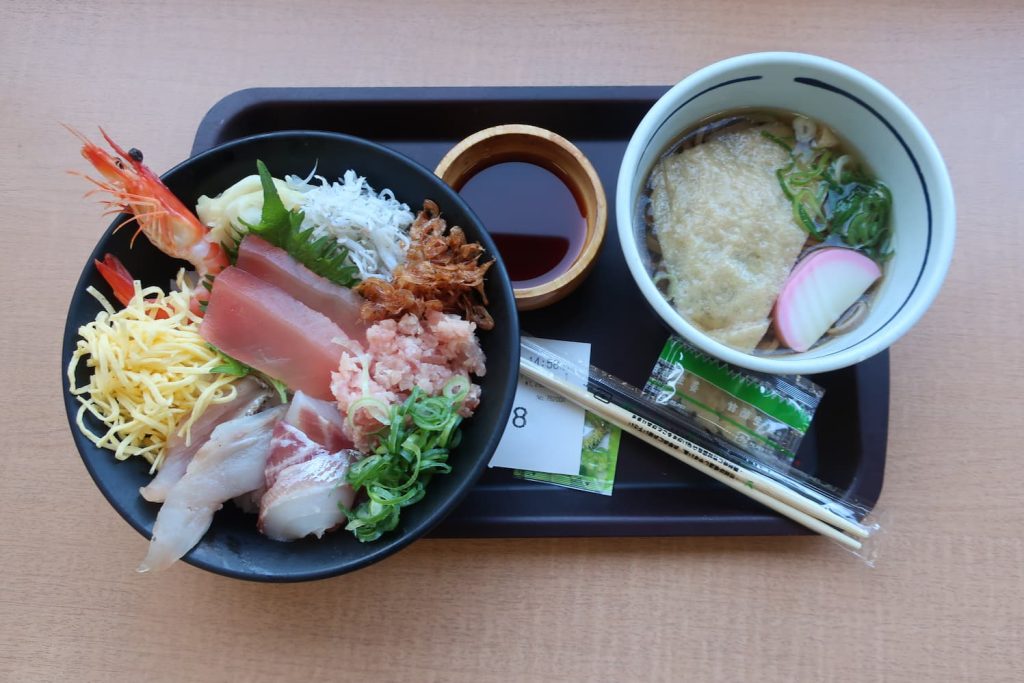
Like in most countries, bringing outside food or beverages into Japanese restaurants is generally not allowed.
This rule helps maintain the restaurant’s hygiene, food safety, and business policies. For example, if a customer suffers food poisoning, it’s difficult to determine whether it came from the restaurant’s food or the outside item they brought in.
Exceptions may be made for people with allergies or dietary restrictions, but in general, it’s best to avoid bringing your own food or drinks.
Conclusion: Enjoy Japanese Dining by Respecting Local Etiquette
Dining in Japan is a unique and memorable experience—made even better when you understand and respect local customs. Japanese restaurant etiquette emphasizes consideration for others, politeness, and order.
By learning and following these simple rules, you’ll avoid unnecessary misunderstandings and ensure a more enjoyable experience for yourself and those around you. Whether you’re planning your first trip to Japan or returning for another culinary adventure, keeping these tips in mind will help you make the most of Japan’s rich food culture.