When planning a trip to Japan, many travelers consider what food they will eat and might think about bringing items purchased at duty-free shops or from their home country.
However, Japan has strict quarantine rules that heavily restrict the entry of many food and agricultural products to prevent the introduction of pathogens, pests, and invasive species.
Here is a guide to common items you cannot bring into Japan from overseas.
Meat and Meat Products
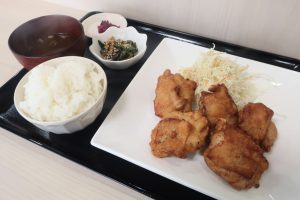
Bringing any kind of meat or meat product into Japan is extremely difficult and largely prohibited. This includes items you might commonly find at an airport’s duty-free shop, such as sausages, ham, or jerky.
- Reason for Prohibition: The primary concern is the potential spread of serious infectious diseases that affect livestock, such as Foot-and-Mouth Disease (FMD) and Classical Swine Fever (Hog Cholera). The introduction of these pathogens could cause massive losses for Japan’s agriculture industry.
- All Forms Prohibited: The ban applies to virtually all meat products, including:
- Raw and Unprocessed Meat
- Cooked and Processed Products (e.g., sausages, ham, bacon, beef jerky)
- Ready-to-Eat Meals that contain meat (e.g., hamburgers, sandwiches, instant noodles, retort pouches)
- The Inspection Certificate Problem: While it is technically possible to import meat with a valid Inspection Certificate issued by the government of the exporting country, the Animal Quarantine Service in Japan clearly states that obtaining such a certificate for souvenirs or personal consumption is nearly impossible. Therefore, you must assume that all meat products cannot be brought into Japan.
Fruits and Vegetables
Many fresh fruits and vegetables are also subject to strict quarantine and are generally prohibited from being brought into Japan.
- Reason for Prohibition: The main risk is the introduction of harmful pests, insects, and plant diseases that could devastate Japan’s agricultural crops.
- Fresh Produce is Restricted: Most live plants, fresh fruits, and vegetables from overseas require an inspection certificate and quarantine check. Without this certificate, which is difficult to obtain for personal items, the produce will be confiscated.
- Even Cut Fruits are Included: Any cut or packaged fruit is considered “raw produce” and falls under the import restriction. You cannot bring uneaten cut fruit from your airplane meal into Japan.
Examples of Produce Commonly Restricted (Varies by Country/Origin)
While the full list is extensive, common items that are frequently prohibited from many regions include:
- Potatoes (raw tubers)
- Citrus Fruits (e.g., oranges, grapefruit)
- Apples, Pears, Plums, Grapes
- Tomatoes and Paprika (Bell Peppers) (often require an inspection certificate)
Other Regulated Items: Flowers, Seeds, and Rice
Fresh-cut flowers, seeds, and unpolished rice are not entirely banned but require both an inspection certificate and an inspection from the Plant Quarantine Service. Due to the difficulty of obtaining the necessary certificates, these items are not easily brought into the country for personal use.
Dairy Products and Eggs
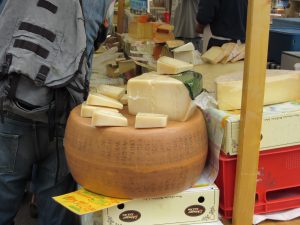
Dairy products like cheese and fresh eggs are subject to animal quarantine.
- General Rule: For small amounts of items like cheese, yogurt, and liquid milk for personal consumption (e.g., less than 10 kg), an inspection certificate or notification is generally not required by the Animal Quarantine Service.
- Important Caveat: Travelers are always advised to confirm the specific requirements with the Animal Quarantine Service, as restrictions may apply based on the product type or the exporting country.
Penalties for Illegal Importation
Japan imposes severe penalties for illegally bringing prohibited food and products into the country.
- Punishment: Violations of the Animal Quarantine Act or the Plant Protection Act are subject to penalties, including imprisonment for up to three years or a fine of up to ¥3 million (up to ¥50 million for corporations).
- Warning: Highly illegal or repeated attempts to bring in prohibited items can lead to referral to the police and potential arrest. Do not attempt to bring any prohibited items into Japan.