When planning a trip to Japan, you might wonder about which items you can and cannot bring into the country. Japan imposes numerous regulations on bringing foreign products and food, with some unexpected items being subject to restrictions.
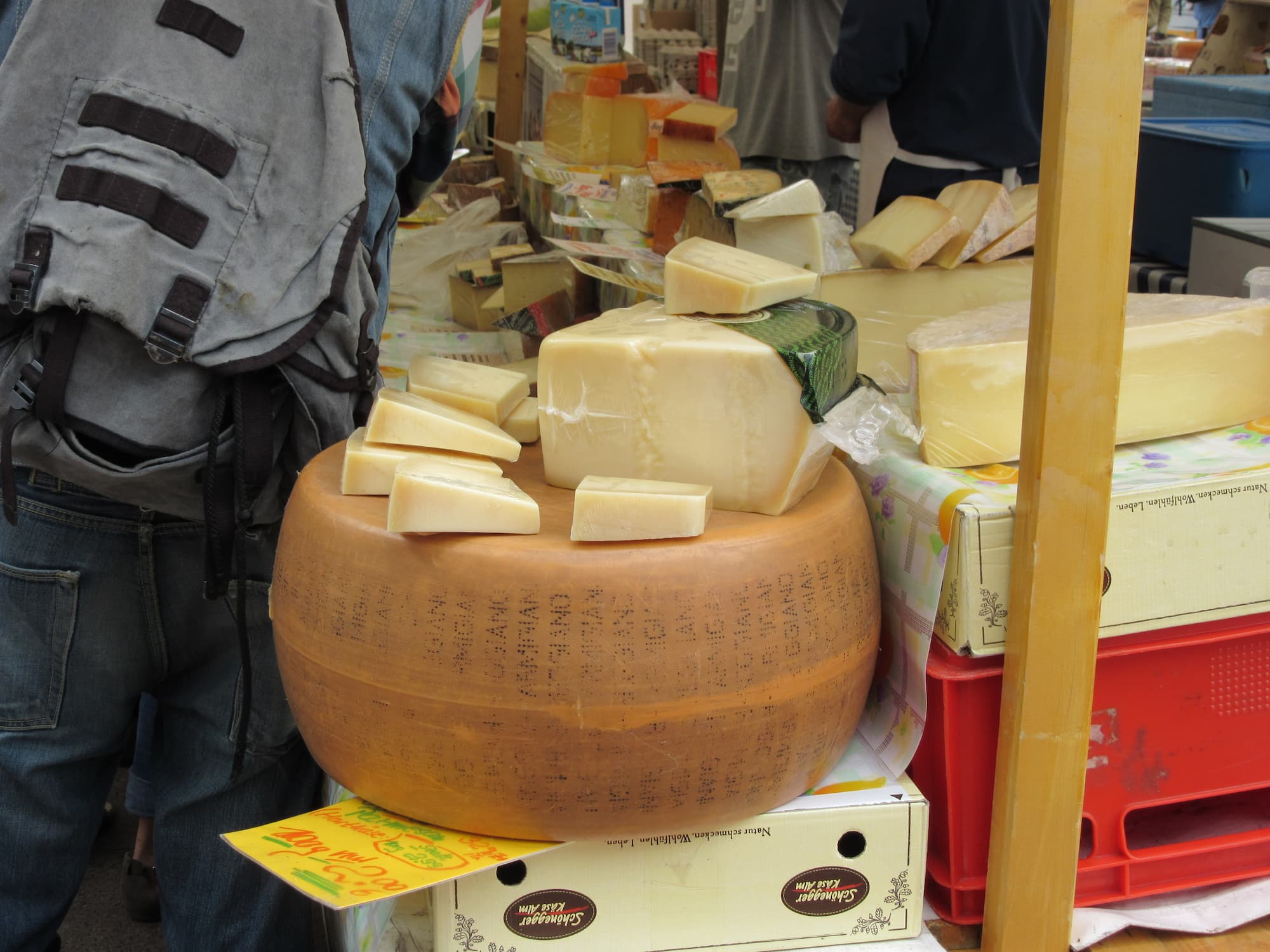
One such item that raises questions is cheese products. Since Japan does not offer the same extensive variety of cheeses as some other countries, many travelers consider bringing their favorites. Here is an explanation of the rules for bringing cheese into Japan.
1. Dairy Products Are Subject to Animal Quarantine.
When bringing goods or food into Japan from overseas, one must be mindful of whether the item is subject to quarantine. Quarantine is an inspection process conducted at airports and ports to prevent the entry of infectious diseases and pathogens carried by items imported from abroad.
While various items are subject to quarantine, dairy products such as cheese were not always included. However, since September 2017, dairy products have become subject to animal quarantine. This means that cheese, as a dairy product, generally requires quarantine when brought into Japan from overseas, though there are some exceptions.
Official Explanation from the Animal Quarantine Service
2. Dairy Products Exempt from Quarantine
Although dairy products generally require quarantine for import into Japan, the Animal Quarantine Service lists the following categories that are commonly exempt from mandatory inspection certification or are completely non-regulated:
- Items brought in as personal baggage.
- Canned, bottled, or retort-pouch processed products (those that have been fully heat-sterilized).
- Products storable at room temperature (must comply with the Milk and Dairy Products Ordinance).
- Items NOT for commercial or business use (limited to 10kg or less).
Since bringing dairy products in as souvenirs falls under categories 1 and 4, the official Japanese ordinance allows for an exception. However, if quarantine is deemed necessary, an inspection certificate issued by the government agency of the country of purchase is required.
3. What Qualifies as a Dairy Product?
Beyond cheese, some travelers consider bringing in butter or other milk-based items. The Animal Quarantine Service specifies the following as dairy products subject to quarantine:
- Milk and Cream
- Butter
- Cheese
- Items made from raw milk/dairy products
- Feed or pet food made from raw milk/dairy products
4. If You Are Unsure, Consult the Animal Quarantine Service
The Animal Quarantine Service website provides detailed information regarding dairy product quarantine. If you have questions about specific quantities, types, or if you are unsure about the classification of your product, it is strongly recommended that you contact the Animal Quarantine Service directly for confirmation.
5. Important Restrictions on Bringing Food into Japan
Due to quarantine regulations, many food items and products cannot be brought into Japan. Even small quantities for personal consumption may be prohibited. Items that generally cannot be brought into Japan from overseas include:
- Meat products (including not only meat itself but also items containing meat)
- Fruits such as grapes, apples, and oranges
- Vegetables such as potatoes, tomatoes, and bell peppers
- Nuts with shells, such as walnuts
(Other items, such as cut flowers, seeds, and rice, may be allowed after inspection.)
6. Illegal Importation of Prohibited Products Is Subject to Penalties
The importation of meat products, vegetables, and other items listed above is strictly restricted by law. Illegal importation can, in some cases, result in police notification and possible arrest.
Highly illegal cases may be subject to a prison sentence of up to 3 years or a fine of up to 3 million yen (or up to 50 million yen for corporations). Therefore, exercise extreme caution when bringing meat or vegetables into Japan from overseas.