Post

  • What to Know When Bringing Beer and Wine into Japan

    What to Know When Bringing Beer and Wine into Japan

    Many travelers wish to bring beer or wine with them when visiting Japan. Therefore, it is important to know if you can bring these items into Japan and what restrictions apply. Failure to comply could result in the disposal of your souvenirs or the payment of substantial taxes. This article explains the rules you need to know when bringing beer and wine into Japan.


    1. Customs (Taxation)

    Key LimitsExemptSubject to Tax
    LiquorUp to 3 bottles (approx. 760 ml each)Quantities exceeding 3 bottles

    When bringing beer and wine into Japan, Customs is the first consideration. Customs imposes duties and taxes on goods entering Japan from overseas.

    • Duty-Free Allowance: Adults (aged 20 or over) are permitted to bring up to 3 bottles of liquor (approximately 760 ml per bottle) into Japan duty-free. Within this limit, you do not need to pay Customs duty, Consumption Tax, or Liquor Tax.
    • Personal Consumption (Weight): For non-commercial, personal use, if the total weight of food products (including wine and beer) is under 10 kg, no notification procedure is required under the Food Sanitation Law.
    • Taxable Items: If you bring in more than 3 bottles, the excess amount is subject to Customs duty, Consumption Tax, and Liquor Tax.

    Importation of Alcoholic Beverages / Japan Customs


    2. Quarantine

    Beer and Wine are Not Subject to Quarantine.

    Quarantine measures are designed to prevent pathogens and pests attached to food products from entering Japan. Target items include meat, fruits, vegetables, and dairy products. These items may be prohibited entirely or require an inspection certificate for import. However, alcoholic beverages such as beer and wine are not subject to animal or plant quarantine.


    3. Restrictions for Air Travel (Aviation Security)

    Bringing alcoholic beverages onto an aircraft is governed by strict aviation security regulations (regardless of Customs rules).

    • Carry-on Baggage:
      • Before Security: Bringing liquids (including beer and wine) from outside the airport is severely restricted. You can only carry liquids in containers of 100 milliliters (ml) or less within a transparent, resealable plastic bag.
      • After Security (Airport Purchase): Items purchased at duty-free shops or airport stores after security screening are generally permitted on board. The restrictions based on alcohol content are:
        • Alcohol Content 24% to 70%: Limit of 5 liters per person.
        • Alcohol Content 24% or less: No restrictions. (Note: Check with the specific airline as rules may vary slightly, though these limits are standard.)
    • Connecting Flights (Caution): If you have a connecting flight, you may have to go through a second security screening in the transit country. Items bought after security at the first airport may be confiscated at the second screening if they exceed the 100ml carry-on limit. It is safest to purchase beer or wine after the security check at your last transfer airport or pack them in checked baggage.
    • Checked (Hold) Baggage:
      • Alcoholic beverages packed in checked baggage are subject to the same aviation security limits as post-security purchases:
        • Alcohol Content 24% to 70%: Limit of 5 liters per person.
        • Alcohol Content 24% or less: No restrictions. (Note: These are aviation rules; the Customs duty-free limit of 3 bottles still applies upon arrival in Japan.)
  • Can You Bring Cheese into Japan? What You Need to Know About Quarantine

    Can You Bring Cheese into Japan? What You Need to Know About Quarantine

    When planning a trip to Japan, you might wonder about which items you can and cannot bring into the country. Japan imposes numerous regulations on bringing foreign products and food, with some unexpected items being subject to restrictions.

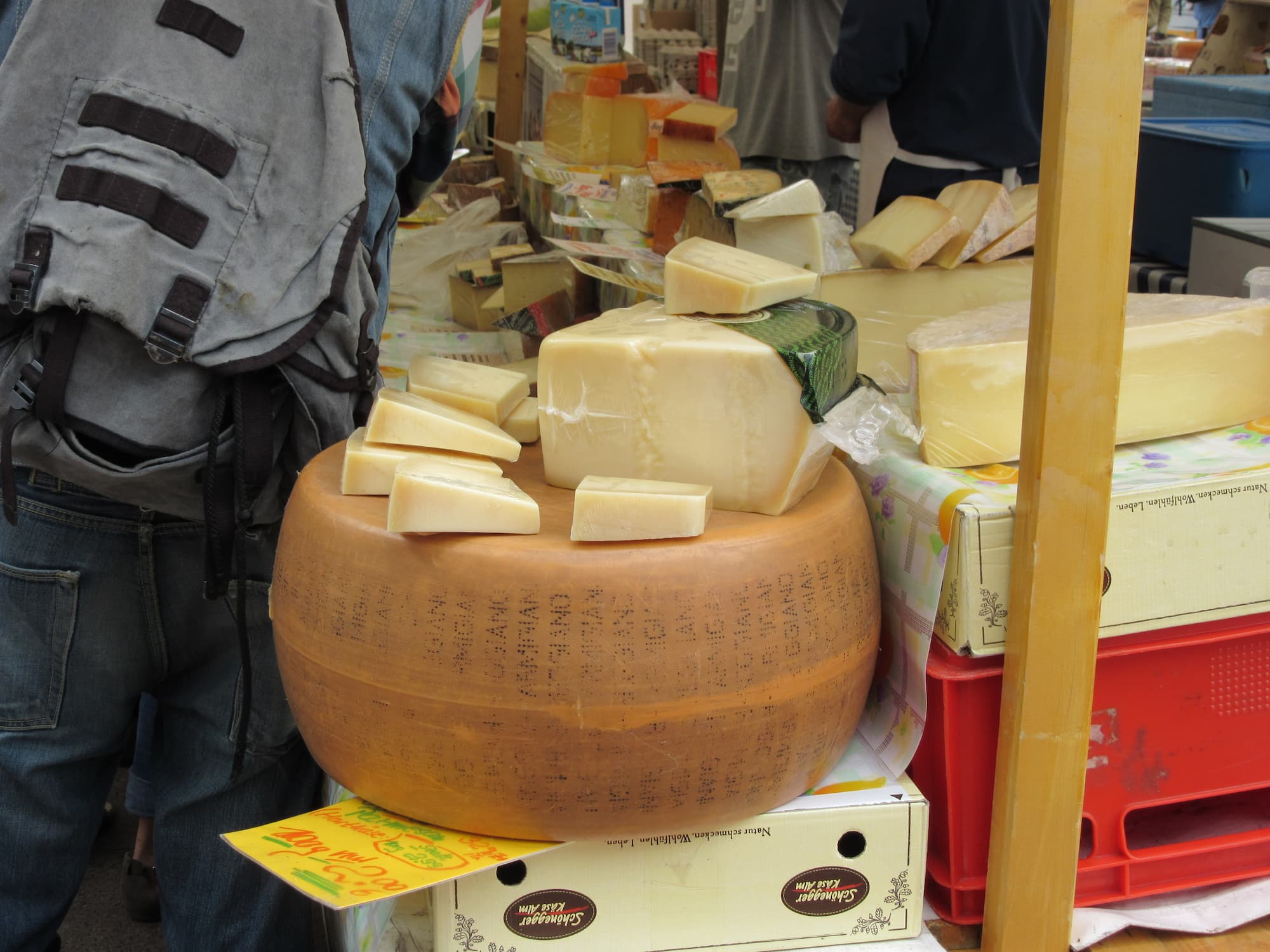
    One such item that raises questions is cheese products. Since Japan does not offer the same extensive variety of cheeses as some other countries, many travelers consider bringing their favorites. Here is an explanation of the rules for bringing cheese into Japan.

    1. Dairy Products Are Subject to Animal Quarantine.

    When bringing goods or food into Japan from overseas, one must be mindful of whether the item is subject to quarantine. Quarantine is an inspection process conducted at airports and ports to prevent the entry of infectious diseases and pathogens carried by items imported from abroad.

    While various items are subject to quarantine, dairy products such as cheese were not always included. However, since September 2017, dairy products have become subject to animal quarantine. This means that cheese, as a dairy product, generally requires quarantine when brought into Japan from overseas, though there are some exceptions.

    Official Explanation from the Animal Quarantine Service

    2. Dairy Products Exempt from Quarantine

    Although dairy products generally require quarantine for import into Japan, the Animal Quarantine Service lists the following categories that are commonly exempt from mandatory inspection certification or are completely non-regulated:

    1. Items brought in as personal baggage.
    2. Canned, bottled, or retort-pouch processed products (those that have been fully heat-sterilized).
    3. Products storable at room temperature (must comply with the Milk and Dairy Products Ordinance).
    4. Items NOT for commercial or business use (limited to 10kg or less).

    Since bringing dairy products in as souvenirs falls under categories 1 and 4, the official Japanese ordinance allows for an exception. However, if quarantine is deemed necessary, an inspection certificate issued by the government agency of the country of purchase is required.

    3. What Qualifies as a Dairy Product?

    Beyond cheese, some travelers consider bringing in butter or other milk-based items. The Animal Quarantine Service specifies the following as dairy products subject to quarantine:

    • Milk and Cream
    • Butter
    • Cheese
    • Items made from raw milk/dairy products
    • Feed or pet food made from raw milk/dairy products

    4. If You Are Unsure, Consult the Animal Quarantine Service

    The Animal Quarantine Service website provides detailed information regarding dairy product quarantine. If you have questions about specific quantities, types, or if you are unsure about the classification of your product, it is strongly recommended that you contact the Animal Quarantine Service directly for confirmation.

    5. Important Restrictions on Bringing Food into Japan

    Due to quarantine regulations, many food items and products cannot be brought into Japan. Even small quantities for personal consumption may be prohibited. Items that generally cannot be brought into Japan from overseas include:

    • Meat products (including not only meat itself but also items containing meat)
    • Fruits such as grapes, apples, and oranges
    • Vegetables such as potatoes, tomatoes, and bell peppers
    • Nuts with shells, such as walnuts

    (Other items, such as cut flowers, seeds, and rice, may be allowed after inspection.)

    6. Illegal Importation of Prohibited Products Is Subject to Penalties

    The importation of meat products, vegetables, and other items listed above is strictly restricted by law. Illegal importation can, in some cases, result in police notification and possible arrest.

    Highly illegal cases may be subject to a prison sentence of up to 3 years or a fine of up to 3 million yen (or up to 50 million yen for corporations). Therefore, exercise extreme caution when bringing meat or vegetables into Japan from overseas.

  • Bringing Food into Japan: What is Strictly Prohibited

    Bringing Food into Japan: What is Strictly Prohibited

    When planning a trip to Japan, many travelers consider what food they will eat and might think about bringing items purchased at duty-free shops or from their home country.

    However, Japan has strict quarantine rules that heavily restrict the entry of many food and agricultural products to prevent the introduction of pathogens, pests, and invasive species.

    Here is a guide to common items you cannot bring into Japan from overseas.

    Meat and Meat Products

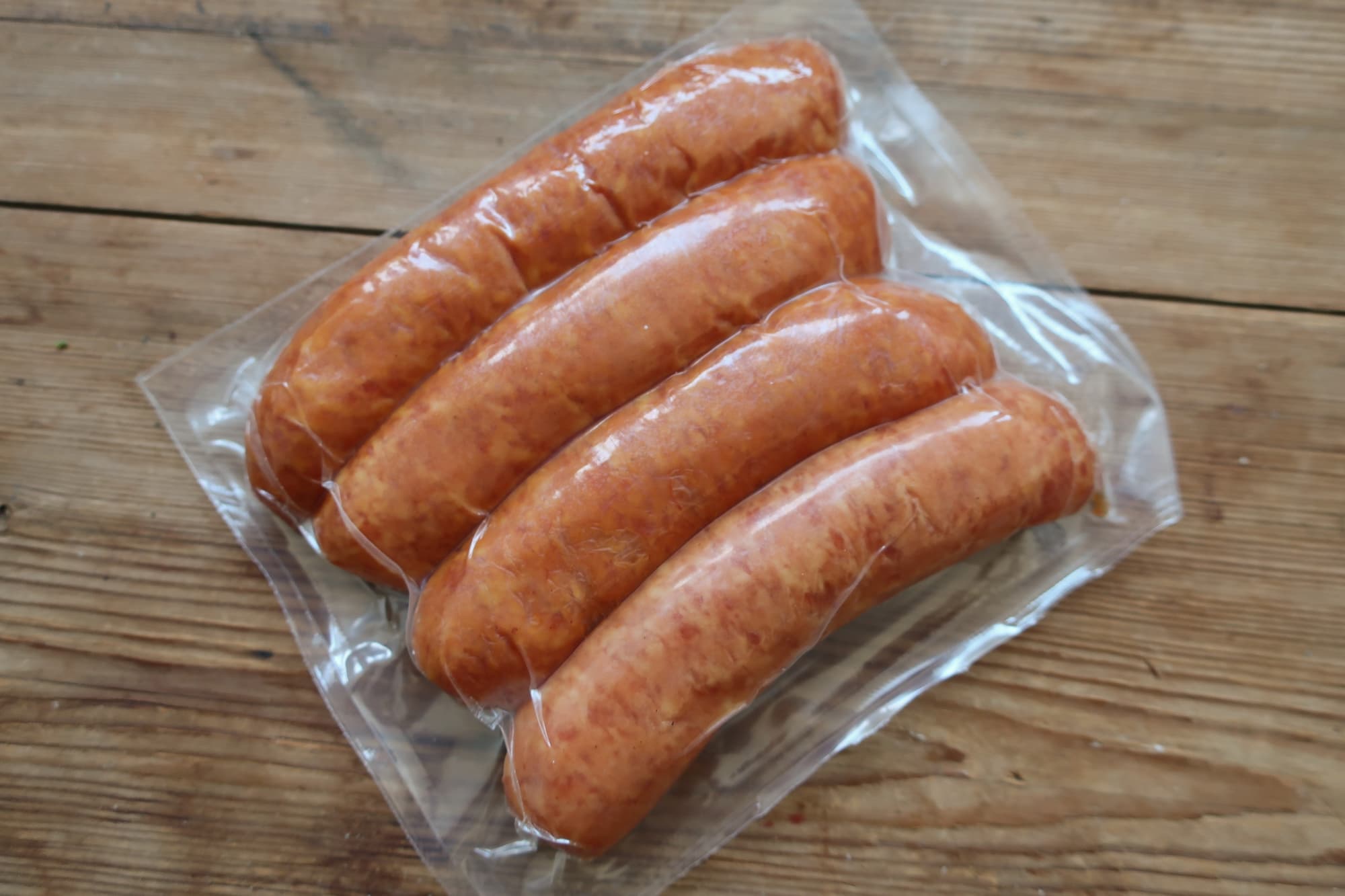
    Bringing any kind of meat or meat product into Japan is extremely difficult and largely prohibited. This includes items you might commonly find at an airport’s duty-free shop, such as sausages, ham, or jerky.

    • Reason for Prohibition: The primary concern is the potential spread of serious infectious diseases that affect livestock, such as Foot-and-Mouth Disease (FMD) and Classical Swine Fever (Hog Cholera). The introduction of these pathogens could cause massive losses for Japan’s agriculture industry.
    • All Forms Prohibited: The ban applies to virtually all meat products, including:
      • Raw and Unprocessed Meat
      • Cooked and Processed Products (e.g., sausages, ham, bacon, beef jerky)
      • Ready-to-Eat Meals that contain meat (e.g., hamburgers, sandwiches, instant noodles, retort pouches)
    • The Inspection Certificate Problem: While it is technically possible to import meat with a valid Inspection Certificate issued by the government of the exporting country, the Animal Quarantine Service in Japan clearly states that obtaining such a certificate for souvenirs or personal consumption is nearly impossible. Therefore, you must assume that all meat products cannot be brought into Japan.

    Fruits and Vegetables

    Many fresh fruits and vegetables are also subject to strict quarantine and are generally prohibited from being brought into Japan.

    • Reason for Prohibition: The main risk is the introduction of harmful pests, insects, and plant diseases that could devastate Japan’s agricultural crops.
    • Fresh Produce is Restricted: Most live plants, fresh fruits, and vegetables from overseas require an inspection certificate and quarantine check. Without this certificate, which is difficult to obtain for personal items, the produce will be confiscated.
    • Even Cut Fruits are Included: Any cut or packaged fruit is considered “raw produce” and falls under the import restriction. You cannot bring uneaten cut fruit from your airplane meal into Japan.

    Examples of Produce Commonly Restricted (Varies by Country/Origin)

    While the full list is extensive, common items that are frequently prohibited from many regions include:

    • Potatoes (raw tubers)
    • Citrus Fruits (e.g., oranges, grapefruit)
    • Apples, Pears, Plums, Grapes
    • Tomatoes and Paprika (Bell Peppers) (often require an inspection certificate)

    Other Regulated Items: Flowers, Seeds, and Rice

    Fresh-cut flowers, seeds, and unpolished rice are not entirely banned but require both an inspection certificate and an inspection from the Plant Quarantine Service. Due to the difficulty of obtaining the necessary certificates, these items are not easily brought into the country for personal use.

    Dairy Products and Eggs

    Dairy products like cheese and fresh eggs are subject to animal quarantine.

    • General Rule: For small amounts of items like cheese, yogurt, and liquid milk for personal consumption (e.g., less than 10 kg), an inspection certificate or notification is generally not required by the Animal Quarantine Service.
    • Important Caveat: Travelers are always advised to confirm the specific requirements with the Animal Quarantine Service, as restrictions may apply based on the product type or the exporting country.

    Penalties for Illegal Importation

    Japan imposes severe penalties for illegally bringing prohibited food and products into the country.

    • Punishment: Violations of the Animal Quarantine Act or the Plant Protection Act are subject to penalties, including imprisonment for up to three years or a fine of up to ¥3 million (up to ¥50 million for corporations).
    • Warning: Highly illegal or repeated attempts to bring in prohibited items can lead to referral to the police and potential arrest. Do not attempt to bring any prohibited items into Japan.

    Explanation from the Animal Quarantine Service of Japan