Post

  • Japan Cherry Blossoms: When and Where to See Sakura in Nagoya

    Japan Cherry Blossoms: When and Where to See Sakura in Nagoya

    Experience Japan’s Beautiful Cherry Blossoms Near Nagoya

    Many travelers to Japan plan their trips around the cherry blossom season, hoping to witness the breathtaking beauty of sakura in full bloom. If you’re visiting central Japan, you might be wondering where and when to see cherry blossoms near Nagoya and how to enjoy the experience to the fullest.

    This article will introduce the best cherry blossom viewing spots around Nagoya, typical bloom timings based on past years, forecasts for 2025, and the best ways to enjoy hanami (flower viewing). If you’re planning a trip to Nagoya in the spring, be sure to use this guide to make the most of the cherry blossom season!
    When to See Cherry Blossoms in Nagoya, Japan

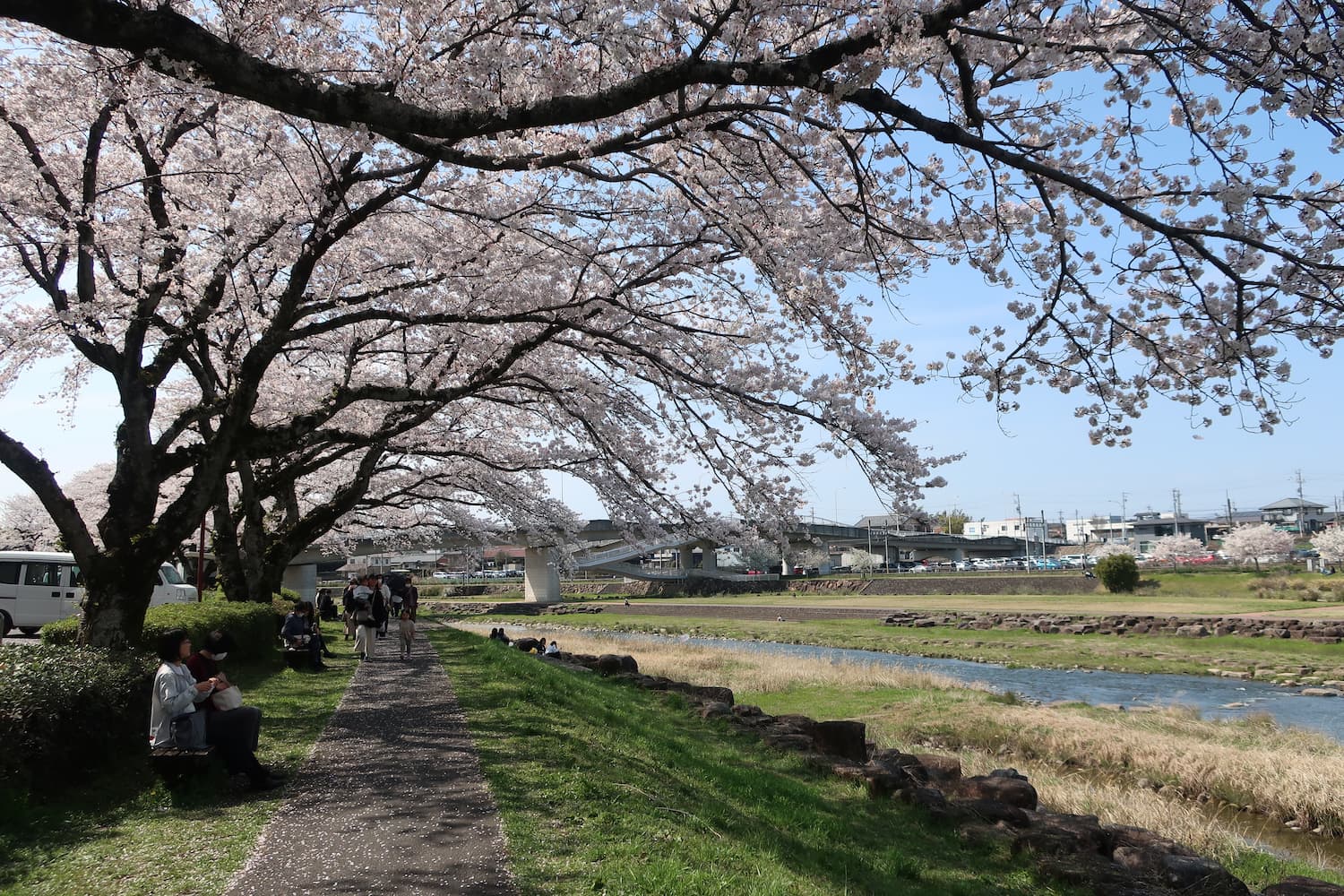
    • Cherry blossoms in Nagoya usually bloom from late March to early April.
    • Takayama (about 2.5 hours from Nagoya) blooms around 10 days later than Nagoya.
    • In 2025, Nagoya’s peak bloom is expected in early April.
    • If you’re visiting Nagoya and nearby cities, plan your trip between late March and early April for the best chances to see cherry blossoms.

    Nagoya is located in the center of Japan, meaning its cherry blossom season is neither the earliest nor the latest in the country. Typically, the sakura trees begin blooming in late March and reach full bloom in early April. However, the exact timing varies depending on the year’s weather conditions—warmer years result in an earlier bloom, while colder years delay it slightly.

    Once the blossoms start opening, they usually last about two weeks before falling. The most beautiful full bloom period lasts only 2 to 3 days. April also brings occasional rainy days, so perfect blue-sky sakura views aren’t always guaranteed.

    Since Nagoya is on the Pacific side of Japan, it has a relatively warm climate. In contrast, Gifu Prefecture, located just north of Aichi (where Nagoya is situated), experiences a later bloom. A particularly popular tourist destination, Takayama, sees its cherry blossoms bloom about 10 days later than Nagoya. If you miss the peak in Nagoya, heading to Takayama is a great way to catch the sakura at their best.
    Best Places to See Cherry Blossoms in Nagoya and Nearby

    Top Cherry Blossom Spots in Nagoya

    • Tsuruma Park – One of Japan’s top 100 cherry blossom spots with a vibrant festival atmosphere.
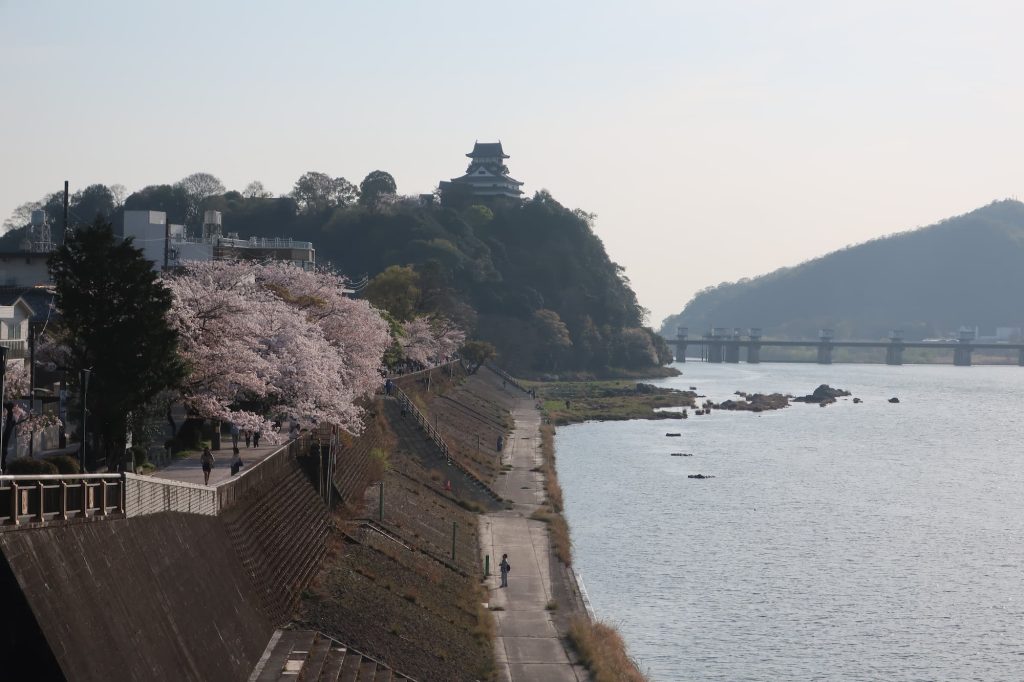
    • Meijo Park – Stunning sakura with Nagoya Castle as a backdrop.
    • Yamazaki River – A 2 km riverside lined with 600 cherry trees, perfect for peaceful viewing.

    Top Cherry Blossom Spots Near Nagoya

    • Gojo River (Gifu) – A picturesque river with 1,700 cherry trees and evening illuminations.
    • Okazaki Castle Park – A historical castle setting with 800 cherry trees, lit up beautifully at night.

    Tsuruma Park

    Tsuruma Park is the most recommended spot for cherry blossom viewing in Nagoya. Recognized as one of Japan’s Top 100 Sakura Spots, the park is filled with blooming cherry trees. Each year, a sakura festival is held, featuring food stalls and nighttime illuminations. Located just a 10-minute train ride from Nagoya Station, it’s an easily accessible and must-visit location.

    Meijo Park

    Meijo Park surrounds the famous Nagoya Castle and features about 200 cherry trees. The combination of historical architecture and pink blossoms creates a perfect setting for capturing iconic sakura photos. Conveniently located near the subway, it’s free to enter and a fantastic hanami spot.

    Yamazaki River

    Yamazaki River offers a more tranquil cherry blossom experience, with 600 sakura trees lining its banks for about 2 kilometers. Also designated as one of Japan’s Top 100 Sakura Spots, this location is ideal for relaxed strolls. Unlike other hanami spots, food and alcohol are restricted here, making it a peaceful place to admire the blossoms.

    Gojo River

    North of Nagoya, the Gojo River is a hidden gem featuring 1,700 cherry trees stretching several kilometers. This location is also on Japan’s Top 100 Sakura Spots list, with nighttime illuminations and festival stalls. However, getting there requires a 1-hour journey by train and bus.

    Okazaki Castle Park

    Located an hour from Nagoya, Okazaki Castle Park is famous for its 800 cherry trees. The castle grounds create a nostalgic Japanese atmosphere, making it an excellent place for hanami. At night, the park is illuminated, and festival stalls line the pathways, adding to the lively experience.
    How to Enjoy Cherry Blossoms in Japan: Hanami, Night Sakura & Festivals

    • Festivals & Cherry Blossoms
    • Hanami – Traditional Cherry Blossom Viewing
    • Night Sakura – Illuminated Cherry Blossoms

    Festivals & Cherry Blossoms

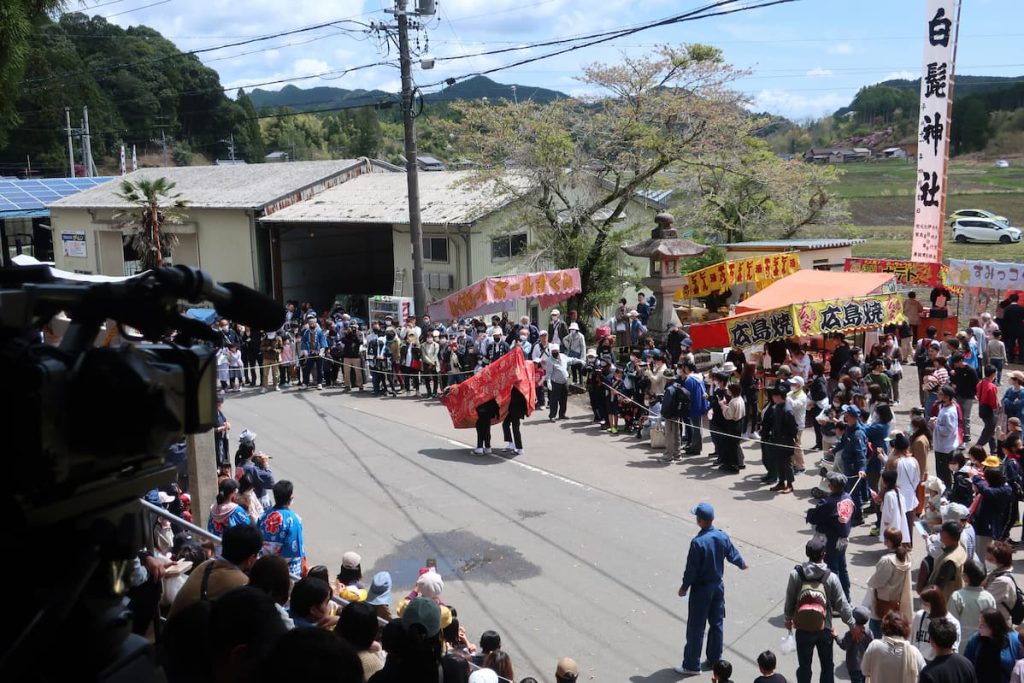
    Spring in Japan brings numerous traditional festivals that celebrate the arrival of the season. Many of these festivals include prayers for a good harvest and are held in early April, coinciding with the cherry blossoms. Since hanami (flower viewing) is often linked with these festivals, visitors can enjoy both at the same time.

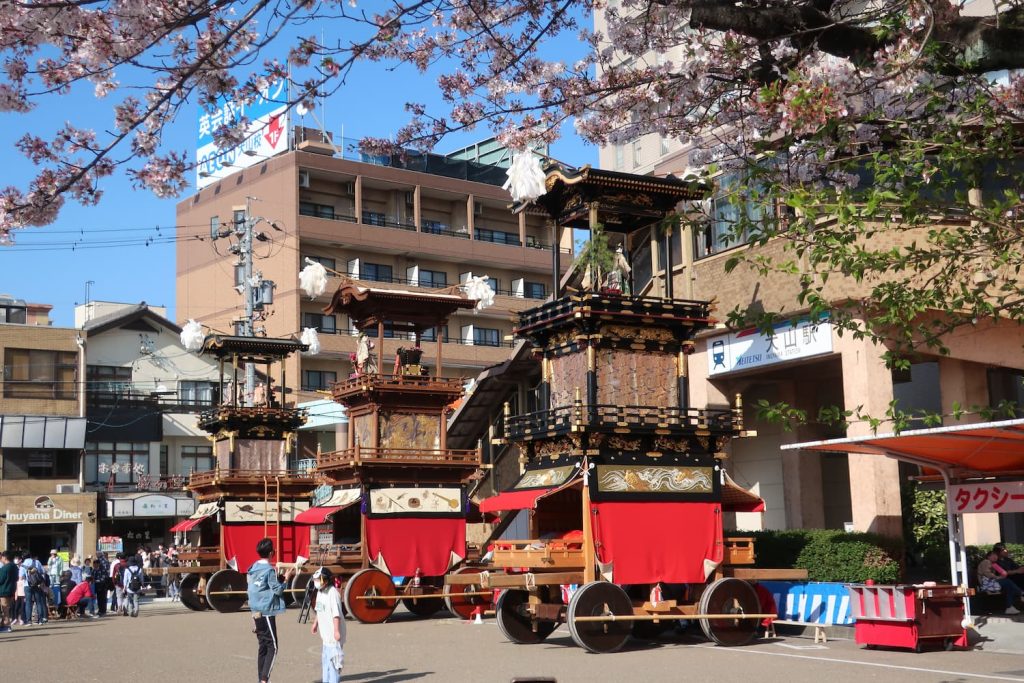
    Inuyama Festival

    The Inuyama Festival, held in early April, is famous for its parade of elaborately decorated floats with mechanical puppets. At night, the floats are illuminated with lanterns, creating a magical atmosphere against the cherry blossoms.

    Ieyasu Parade (Ieyasu Gyoretsu)

    Held in Okazaki, this historical reenactment parade celebrates the legacy of Tokugawa Ieyasu, the founder of the Tokugawa shogunate. Samurai warriors march through the streets as cherry blossoms bloom, offering a unique blend of history and nature.

    Hanami – Traditional Cherry Blossom Viewing

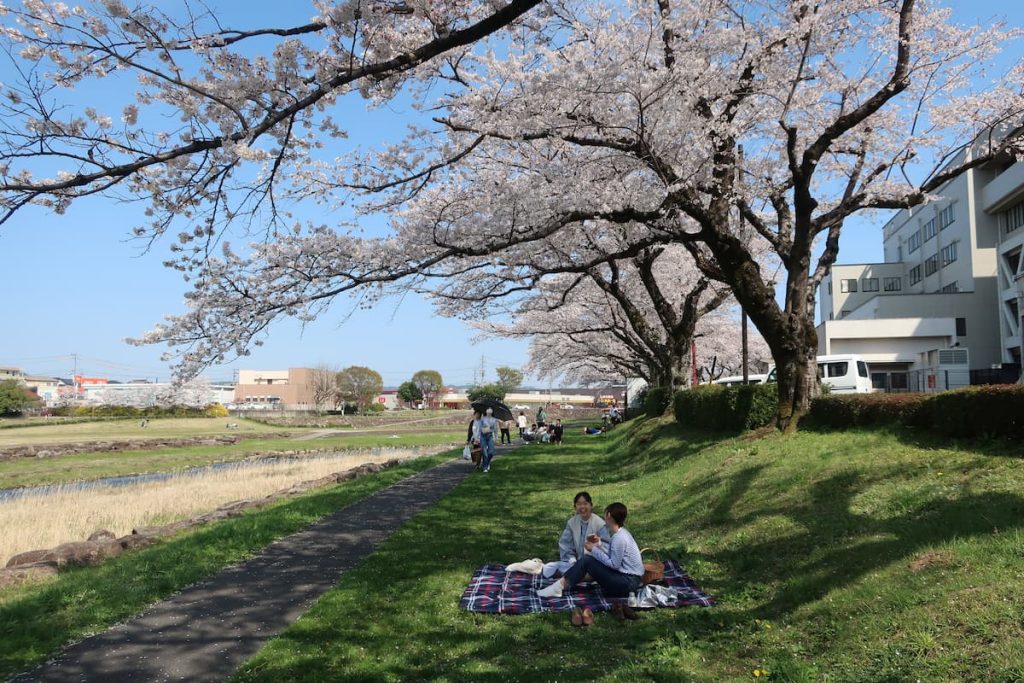
    Hanami (花見) is one of the most popular ways to enjoy cherry blossoms in Japan. People gather under the trees with bento boxes and sake, enjoying picnics with friends and family. Most famous sakura spots have food stalls, so even if you don’t bring your own meal, you can enjoy traditional Japanese snacks.

    Night Sakura – Illuminated Cherry Blossoms

    Many cherry blossom locations offer nighttime illuminations, allowing visitors to experience a more magical and romantic atmosphere. However, evenings can be chilly, so wearing warm clothes is recommended. Some locations, like Okazaki Castle Park, even provide festival food stalls at night, so you can enjoy dinner while admiring the blossoms.
    Plan Your Cherry Blossom Trip to Nagoya!

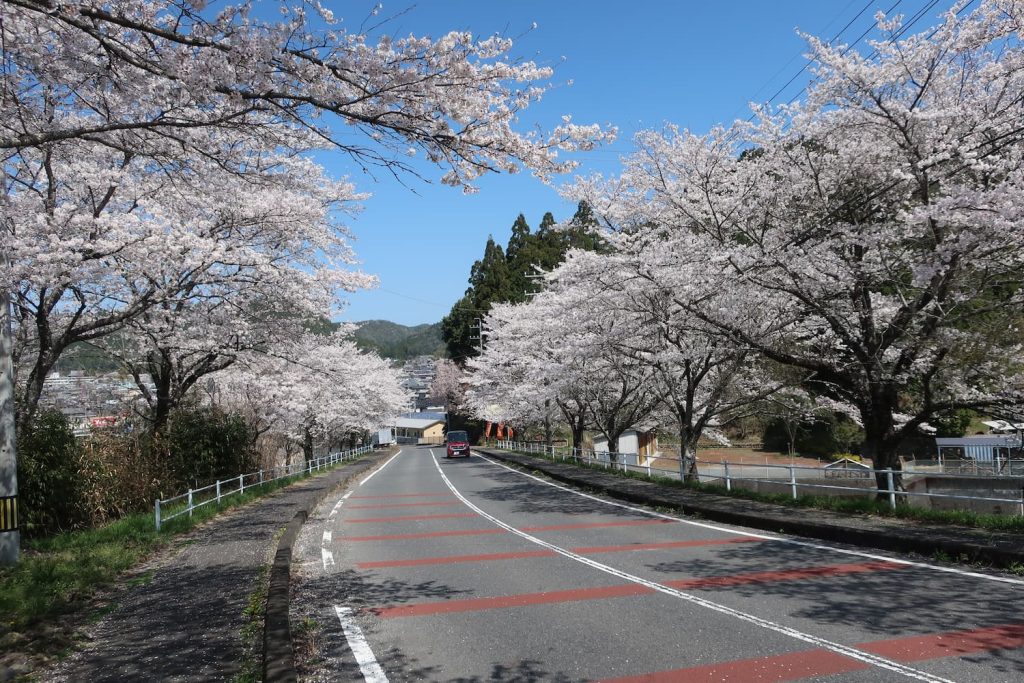
    Whether you’re strolling through historic castle parks, enjoying the festive atmosphere of cherry blossom festivals, or experiencing the serenity of riverside cherry trees, Nagoya and its surrounding areas offer a perfect blend of tradition, history, and natural beauty. Plan your trip between late March and early April for the best experience and immerse yourself in Japan’s breathtaking spring scenery!
  • Best Time to Visit Japan: A Seasonal Travel Guide

    Best Time to Visit Japan: A Seasonal Travel Guide

    When is the Best Time to Visit Japan?

    If you’re planning a trip to Japan, you may be wondering which season is the best to visit. Japan has four distinct seasons, each offering unique landscapes, weather conditions, and travel experiences. The best time to visit depends on what you want to see and do.

    In this guide, we will explore the characteristics of each season, highlighting both the advantages and disadvantages. Use this information to choose the perfect time for your visit to Japan.

    Spring in Japan (March–May)

    Pros of Visiting Japan in Spring

    Beautiful Blossoming Flowers

    Spring in Japan is synonymous with cherry blossoms, which bloom from late March to late April. While cherry blossoms are the most famous, other flowers also bloom during this season. Tulips brighten up gardens in March and April, wisteria blooms in late April, and azaleas flourish from April to May. Spring in Japan offers a colorful and picturesque landscape beyond just cherry blossoms.

    Stunning Fresh Greenery

    In early May, fresh green leaves emerge, covering the landscape with vibrant colors. This period, known as “shinryoku” (new greenery), makes parks and forests particularly beautiful.

    Picturesque Rice Fields

    In May, rice planting begins, and the fields are filled with water, creating stunning mirror-like reflections of the sky. The sound of frogs croaking in the rice paddies adds to the tranquil rural atmosphere.

    Traditional Spring Festivals

    April is a prime season for festivals, many of which celebrate good harvests. If you visit Japan in April, check local schedules to experience unique cultural events and festivities.

    Pleasant Weather

    Spring offers mild temperatures and low rainfall, making it an ideal time for outdoor activities like hiking.

    Cons of Visiting Japan in Spring

    Golden Week Crowds (Late April–Early May)

    Japan’s Golden Week is a national holiday period when many people travel domestically. Expect crowded tourist spots, fully booked hotels, and expensive accommodations. If possible, avoid visiting during Golden Week to have a more relaxed trip.

    Summer in Japan (June–August)

    Pros of Visiting Japan in Summer

    Vibrant Summer Festivals

    August is festival season in Japan, with many events held during the Obon period (Mid-August). Fireworks festivals, traditional dances (Bon-Odori), and summer fairs create a lively atmosphere perfect for experiencing Japanese culture.

    Beach and River Activities

    From July to August, Japan’s beaches open for swimming, with seaside stalls selling snacks and drinks. Riversides become popular spots for barbecues and camping, making summer the best season for water activities.

    Cons of Visiting Japan in Summer

    Extreme Heat and Humidity

    From June, humidity levels rise sharply, making the weather feel uncomfortably hot. In July and August, temperatures can exceed 30°C (86°F) even at night. Sunstroke is a risk, so hydration and sun protection are essential.

    Obon Travel Rush (Mid-August)

    During Obon, many people travel back to their hometowns, causing heavy congestion on trains, highways, and flights. Tourist spots also get crowded, and accommodation prices rise.

    Autumn in Japan (September–November)

    Pros of Visiting Japan in Autumn

    Stunning Autumn Foliage

    From late October to November, Japan’s mountains and parks transform with brilliant red and yellow leaves. Popular foliage spots include Kyoto, Nikko, and Hokkaido.

    Cultural Events and Exhibitions

    Autumn marks the start of major cultural events, concerts, and art exhibitions. Museums and temples often host special exhibitions, making it a great time for cultural enthusiasts.

    Comfortable Weather

    While September is still warm, October and November bring cooler, more comfortable temperatures, perfect for hiking and exploring nature.

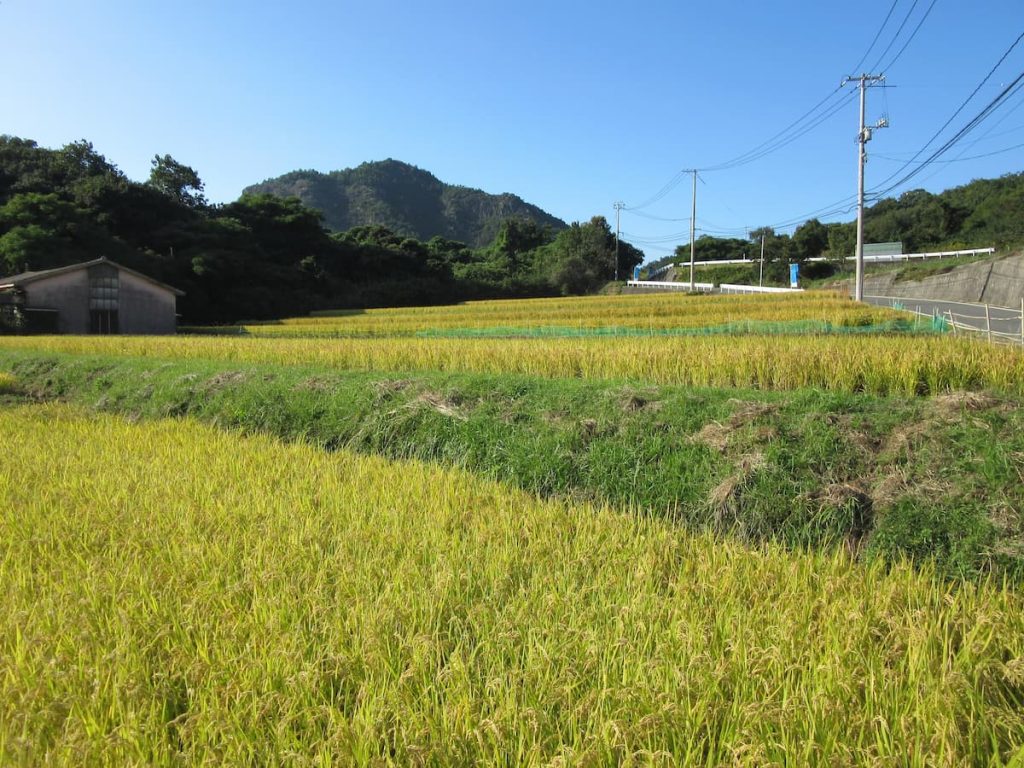
    Golden Rice Fields

    In September, rice fields turn golden, creating stunning rural landscapes. The sound of autumn insects also enhances the seasonal charm.

    Cons of Visiting Japan in Autumn

    Typhoon Season (September)

    September is peak typhoon season, which can bring heavy rain, strong winds, and travel disruptions, including flight cancellations and train delays. If visiting in September, have backup plans in case of bad weather.

    Winter in Japan (December–February)

    Pros of Visiting Japan in Winter

    Amazing Winter Sports

    From January to February, Japan’s snow-covered regions, such as Hokkaido and Nagano, offer world-class skiing and snowboarding experiences.

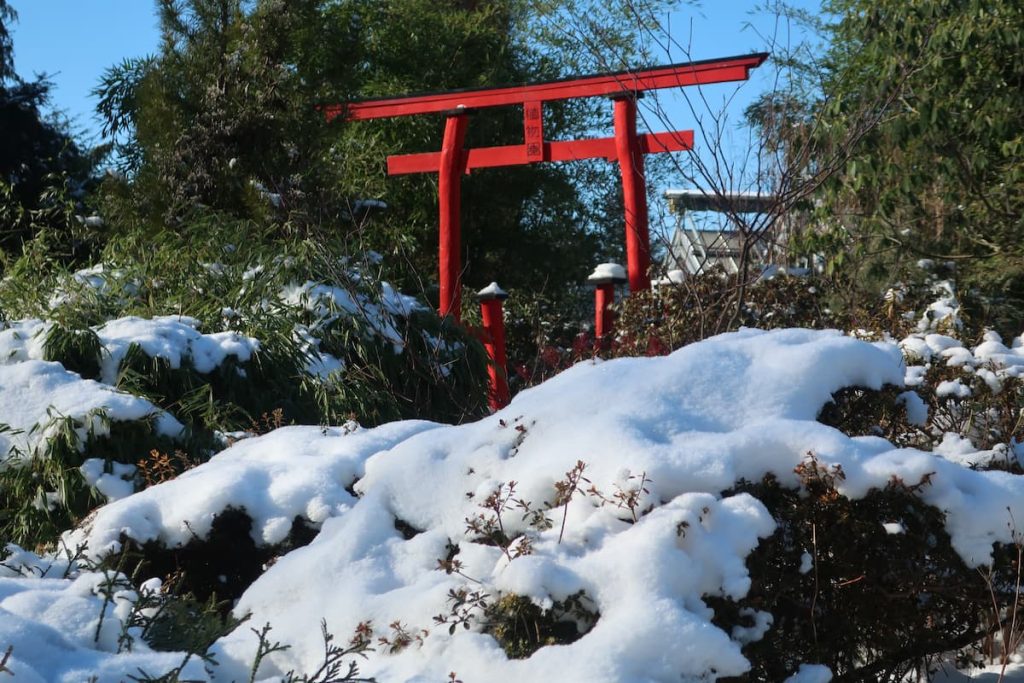
    New Year’s Shrine Visits (Hatsumode)

    New Year is one of Japan’s most important holidays. Visiting a shrine for “Hatsumode” (first shrine visit of the year) offers a glimpse into Japanese traditions. Shrine stalls sell festive foods, adding to the cultural experience.

    Cons of Visiting Japan in Winter

    Harsh Cold Weather

    Even in non-snowy regions, winter in Japan can be surprisingly cold due to strong winds. Outdoor sightseeing can be challenging if you are not used to cold weather.

    Year-End Travel Rush (Late December–Early January)

    During the New Year holiday, public transportation is extremely crowded, and long-distance travel can be difficult. Flights and bullet train tickets sell out quickly, and hotel prices rise.

    Summary: When Should You Visit Japan?

    • Spring (March–May): Best for cherry blossoms, fresh greenery, and pleasant weather
    • Summer (June–August): Best for festivals, beaches, and fireworks, but very hot and humid
    • Autumn (September–November): Best for fall foliage, cultural events, and mild temperatures
    • Winter (December–February): Best for skiing and New Year traditions, but very cold

    If you’re not interested in summer water activities or winter sports, spring and autumn are the best seasons to visit Japan. However, your ideal travel time depends on what you want to experience. Consider your travel goals and choose the season that suits you best!

  • Struggling to Find Vegan Food in Japan? Here Are 5 Easy-to-Find Chain Restaurants!

    Struggling to Find Vegan Food in Japan? Here Are 5 Easy-to-Find Chain Restaurants!

    Finding vegan-friendly food in Japan can be quite challenging. One of the biggest reasons is that many Japanese dishes use dashi (broth) as a key ingredient. Dashi is the foundation of Japanese cuisine, adding depth and umami to many dishes. However, it is often made from fish, making it unsuitable for vegans.

    Even if a dish does not contain meat or fish, dashi is frequently used in the cooking process or included in sauces and seasonings. As a result, finding truly vegan-friendly restaurants in Japan is not always easy.

    Fortunately, some chain restaurants in Japan offer vegan-friendly options. Since these chains have locations across the country, they are relatively easy to find and can be a reliable choice when you’re struggling to find vegan food.

    In this article, we introduce five chain restaurants in Japan that offer vegan-friendly meals.

    Important Note: While these restaurants currently offer vegan options, ingredients and recipes may change over time. We recommend confirming with restaurant staff before ordering.

    グリーンバーガー<テリヤキ> GREEN BURGER TERIYAKI

    1. MOS Burger

    MOS Burger (モスバーガー) is a popular Japanese fast-food chain with over 1,000 locations nationwide. Known for its commitment to health-conscious menu items, MOS Burger offers a Green Burger, which is completely plant-based.

    This burger does not contain any animal-derived ingredients or the five pungent vegetables (onion, garlic, leek, chives, and shallots). Its patty is made primarily from soybeans, making it a great option for vegans.

    Since MOS Burger has locations in cities and smaller towns alike, it is one of the easiest vegan-friendly fast-food options to find in Japan. If you’re unsure where to eat, MOS Burger is a safe and delicious choice!

    Green Burger Teriyaki / グリーンバーガー<テリヤキ>

    Website: MOS Burger

    Price: 580 Yen (April, 2025)

    Kcal: 351 kcal

    NIKUVEGE ベジタブルカレー&雑穀ごはん

    2. Royal Host

    Royal Host (ロイヤルホスト) is a popular family restaurant chain known for its Western-style cuisine. It has a more upscale atmosphere compared to other Japanese family restaurants, making it a quiet and comfortable place to enjoy a meal.

    The Vegetable Curry & Multigrain Rice is a vegan-friendly option at Royal Host. It features a rich vegetable-based curry with plant-based meat, making it both nutritious and delicious.

    Royal Host has about 200 locations across Japan, covering 30 of the country’s 47 prefectures. While it is not available everywhere, you can find it in major cities like Tokyo, Osaka, and Kyoto, making it a convenient choice for travelers.

    Vegetable Curry & Multigrain Rice / ベジタブルカレー&雑穀ごはん

    Website: Royal Host

    Price: 1380 Yen (April, 2025)

    Kcal: 599 kcal

    Curry House CoCo Ichibanya

    3. Curry House CoCo Ichibanya

    Curry House CoCo Ichibanya (カレーハウスcoco壱番屋) is a well-known Japanese curry chain with locations in Japan, the U.S., the U.K., and several Asian countries. Many people associate Japanese curry with CoCo Ichibanya due to its widespread popularity.

    For vegans, CoCo Ichibanya offers the CoCo Ichi Veggie Curry, which is completely free of animal products. However, it does not come with toppings by default. If you want to customize your meal, be sure to choose vegan-friendly toppings.

    With over 1,000 locations in Japan, including in small towns and major cities, CoCo Ichibanya is an accessible and reliable option for vegan travelers.

    CoCo Ichi Veggie Curry / ココイチベジカレー

    Website: Curry House CoCo Ichibanya

    Price: 683 Yen (April, 2025)

    Kcal: 688 kcal

    【全粒粉サンド】大豆のミート ~豆と野菜のトマト煮込み~

    4. Doutor Coffee

    Doutor Coffee (ドトールコーヒー)is a Japanese coffee chain known for its affordable and convenient locations, often found near train stations. While primarily a coffee shop, Doutor also offers a selection of light meals.

    One of their vegan-friendly options is the Soy Meat & Tomato Stew Sandwich. This sandwich features soy-based meat and a tomato-based stew with beans and vegetables. Unlike many sandwiches that contain eggs or dairy in the bread, this one is completely plant-based, making it a great vegan-friendly choice.

    Doutor has over 1,000 locations throughout Japan, particularly in major cities. Due to its high availability and convenient locations, it’s an easy go-to spot when you need a quick vegan-friendly bite.

    Soy Meat & Tomato Stew Sandwic / 全粒粉サンド 大豆のミート -豆と野菜のトマト煮込み

    Website: Doutor Coffee

    Price: 450 Yen (April, 2025)

    Kcal: 315 kcal

    5. Soup Stock Tokyo

    Soup Stock Tokyo (スープストックトーキョー) is a health-conscious soup chain that has been growing in popularity. Although it is a relatively new chain compared to others on this list, it has expanded rapidly due to Japan’s increasing interest in healthy eating.

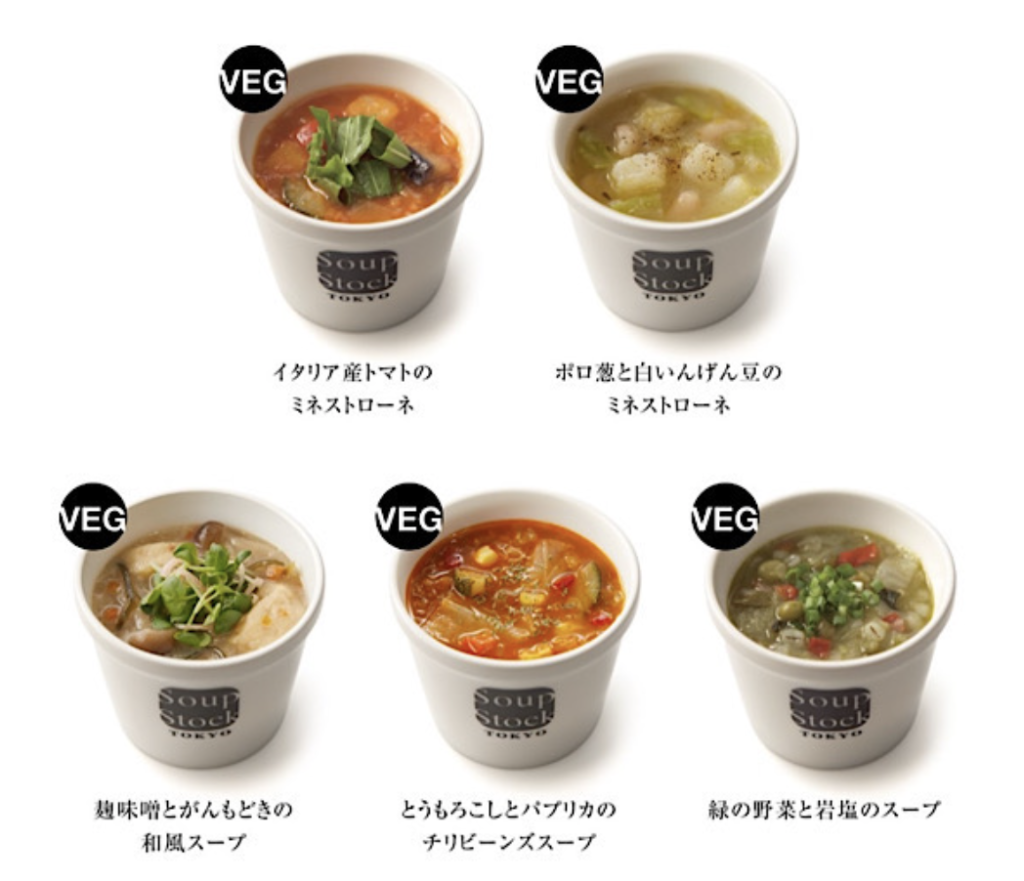
    Soup Stock Tokyo offers several Vegetarian Soups, which do not contain any animal-derived ingredients (including meat, fish, eggs, and dairy). Some soups may contain white sugar or honey, so if you follow a strict vegan diet, it’s best to check with staff about the specific ingredients.

    Currently, Soup Stock Tokyo has around 60 locations, mainly in major cities like Tokyo, Osaka, Kyoto, Nagoya, Hiroshima, and Yokohama. Since many of its locations are inside train stations, it’s a convenient choice for travelers looking for a quick vegan meal.

    Vegetarian Soups / ベジタリアン対応メニュー

    Website: Soup Stock Tokyo

    Price: – Yen

    Kcal: – kcal

    Final Thoughts

    Finding vegan food in Japan can be challenging, but these five chain restaurants offer reliable options that are easy to find across the country. Whether you’re in a major city or a smaller town, these restaurants can help ensure you have access to delicious vegan-friendly meals.

    Before ordering, always check with restaurant staff to confirm ingredients, as recipes may change over time. With this guide, you can confidently explore Japan while enjoying vegan meals along the way!